
Chest pain is a symptom that adults may experience at some point in their lives. It ranges from a mild ache to a sharp, intense sensation, and it can appear suddenly or develop over time. Because this pain may be linked to a wide range of conditions, understanding its possible sources helps people respond in an informed way.
What Causes Chest Pain?
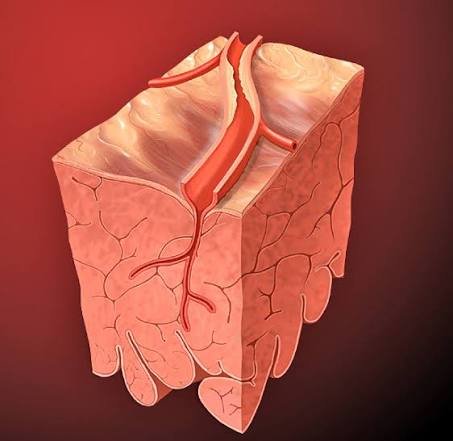
Chest pain has many possible origins, and these can be grouped into cardiac and non-cardiac categories. Cardiac causes relate to the heart and blood vessels. Reduced blood flow to the heart muscle, sometimes described as angina, produces pressure or tightness in the chest. Pain connected to the heart may feel like squeezing or heaviness. Non-cardiac causes are also common and involve several other systems in the body:
- Issues Related to Digestion: Acid reflux, heartburn, and problems with the esophagus can create a burning feeling in the chest that is sometimes mistaken for heart-related pain.
- Muscle Concerns: Strained chest muscles or injuries to the chest wall may produce localized soreness that worsens with movement or pressure.
- Anxiety and Panic: Episodes of intense worry can bring on chest tightness, a rapid heartbeat, and shortness of breath.
Because the symptoms of these different causes may overlap, self-diagnosis is difficult. Sudden, severe chest pain, especially when paired with breathlessness, dizziness, or pain spreading to the arm or jaw, calls for immediate emergency care.
How Is It Diagnosed?
Diagnosing the source of chest pain may begin with a conversation about a person’s symptoms and health history. A provider can ask when the pain started, as well as what it feels like, how long it lasts, and whether certain activities make it better or worse. A physical examination often follows, and several tests may be used to gather more information. These include:
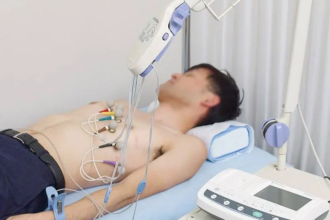
- Electrocardiogram (EKG): This records the heart’s electrical activity and reveals irregular rhythms or signs of reduced blood flow.
- Imaging Studies: Echocardiograms or other scans allow a closer look at the heart, lungs, and surrounding structures.
- Stress Testing: Monitoring the heart during physical exertion can show how it performs under increased demand.
The specific tests chosen depend on the suspected cause and the individual’s overall health. More than one test is used to build a clearer picture in some situations.
How Is It Treated?
Treatment for chest pain depends directly on the underlying cause; once a diagnosis is reached, a provider can outline an approach suited to the individual’s needs. For cardiac-related discomfort, treatment may involve medications that improve blood flow, manage blood pressure, or reduce strain on the heart. Procedures that open or bypass narrowed vessels are recommended in certain cases.
For non-cardiac causes, the approach shifts accordingly. Digestive-related pain can be addressed with medications that reduce stomach acid along with dietary adjustments; muscle-related discomfort often responds to rest or anti-inflammatory measures. Lifestyle adjustments can also support recovery. Balanced eating, regular movement, and stress management may play a role in long-term wellness. Following a prescribed plan and attending follow-up appointments help track progress over time.
Consult a Medical Professional
Chest pain should not be dismissed without proper evaluation. The causes of pain vary, and only a care provider may identify the true source and recommend a suitable course of action. Keeping a record of when symptoms occur, their intensity, and any patterns can give a provider useful details during an assessment. If chest pain is new, persistent, or worsening, seeking medical attention promptly is the responsible choice.