

Before scheduling an appointment, first-time patients can identify their needs and research nearby dental clinics to determine which provider suits them. These clinics provide preventive, restorative, and specialized care. The right clinic supports long-term oral health, so the choice deserves careful evaluation. Here is more information on finding a dental clinic for first-time patients:
What Is a Dental Clinic?
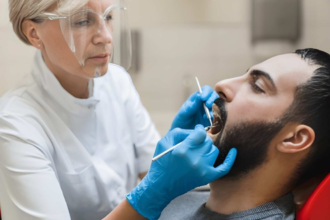
A dental clinic is a healthcare facility where licensed dentists and dental hygienists diagnose, treat, and manage conditions affecting the teeth, gums, and mouth. Each clinic may follow standardized protocols for patient safety, equipment sterilization, and treatment planning. Because these protocols govern every stage of care, patients can expect a consistent standard regardless of clinic size. Some clinics focus on general dentistry, while others specialize in areas such as cosmetic dentistry.
What Services Do They Offer?
These clinics typically organize their services into three categories: preventive, restorative, and cosmetic care. Each category addresses a distinct patient need.
- Preventive care: Cleanings, exams, and X-rays help detect problems early.
- Restorative care: Fillings, crowns, root canals, and extractions address existing damage.
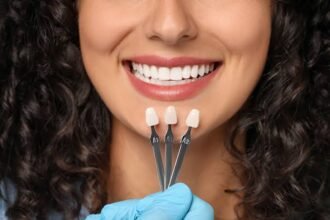
- Cosmetic care: Teeth whitening and veneers address appearance rather than function.
- Emergency care: Treatment is available for sudden pain, trauma, or infection.
How Is a Clinic Found?
Finding a dental clinic starts with identifying practical requirements; these include location, office hours, and the specific services needed. Once a patient has a shortlist, they can verify credentials. Before booking a first appointment, patients should confirm the clinic’s office accessibility, including hours and emergency availability.
A short phone call can answer any remaining questions. This call gives patients a sense of how staff communicate, and it lets them decide whether the clinic suits their needs before they schedule a visit. Regular dental care supports long-term health, and finding the right provider is key.
How Is Dental Care Beneficial?
Regular dental care helps prevent minor issues from developing into painful problems. Cleanings and exams catch cavities and gum disease early, so patients can avoid invasive treatment. Because consistent checkups allow dentists to track changes in oral health over time, diagnoses may become more accurate. Dentists compare each visit with earlier records, helping them spot small changes before symptoms appear.
Oral health also connects to broader physical health; untreated gum disease has been linked to cardiovascular and metabolic conditions. Patients who establish a partnership with a dental clinic early are able to maintain better oral hygiene habits. When these patients notice a problem, they may report it sooner than those who visit irregularly. Patients who attend checkups on a consistent schedule may also be less likely to need emergency dental visits, which usually require more extensive treatment.
Schedule a Dental Appointment
Choosing a dental clinic for the first time comes down to matching personal needs with a facility’s services, credentials, and accessibility; patients who research their options and ask questions upfront may have smoother first visits. Once a clinic has been selected, scheduling an appointment is the next step. Regular visits, starting with that first exam, build the foundation for consistent oral health over time.