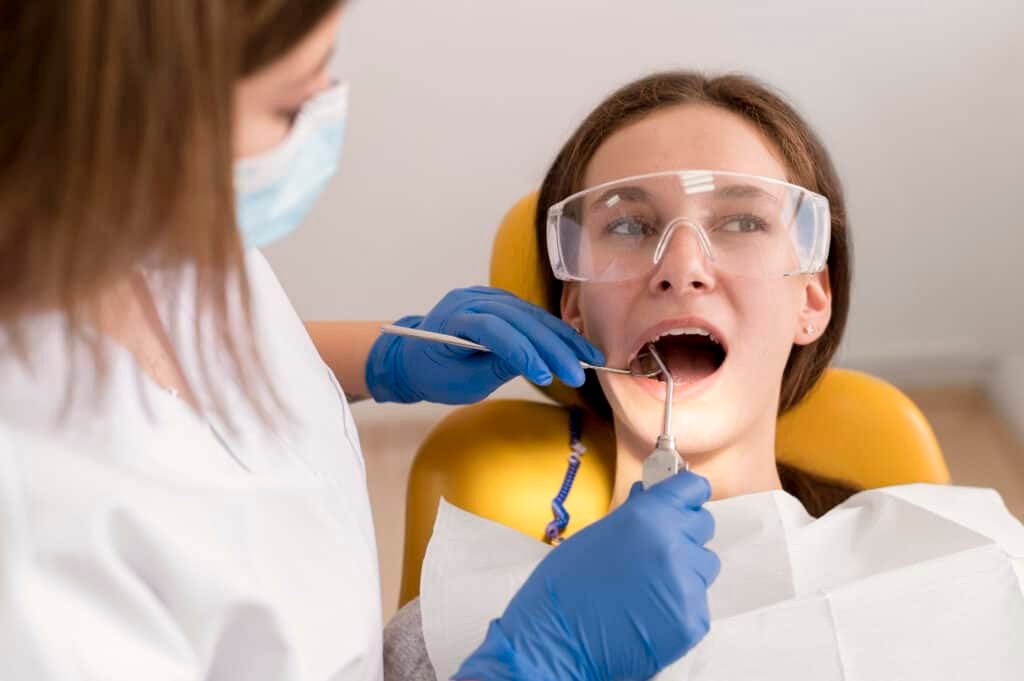

Some dental problems wait for a routine visit, while others require prompt attention. Knowing the warning signs helps identify an urgent dental problem before it worsens. When pain, swelling or tooth damage appears, prompt dental evaluation addresses the problem, and proper care can help protect the affected tooth.
Identifying Urgent Dental Warning Signs
Pain and swelling can signal a problem that needs prompt evaluation. A severe toothache can interfere with daily function, and facial or gum swelling can accompany an urgent dental problem. If you experience certain symptoms, contact a dental professional promptly and seek urgent dental care when severe pain or tooth damage occurs. Several symptoms can indicate a need for urgent attention:
- Painful biting
- Sensitivity to heat or cold
- Loss of a tooth
- Tooth fracture
- Throbbing or shooting pain in the tooth, gums or jaw
- Jaw pain
- Mouth pain associated with a fever
- Facial or gum swelling
A fractured tooth needs careful handling. Keep any fragments you find, and rinse your mouth with warm water to clear the area. If the area is bleeding, place gauze or a wet teabag over the site, and apply pressure by biting down. A cold compress can help minimize swelling and pain, and it can be placed on the outside of the mouth or cheek while you arrange professional care. If the tooth is loose and partially dislodged, seek dental attention right away because it could fall out. A broken tooth can also involve a lost filling, so keep any pieces and rinse the mouth before seeking care.
Managing a Knocked-Out Tooth
A knocked-out tooth needs prompt care. Hold the tooth by the crown rather than the root, and rinse it with water without scrubbing it. If you can place the tooth back into its socket, do so, and if you cannot, put it in a small container with enough milk or saliva to cover it. Water with a pinch of salt also provides an option, and prompt care improves the chances of saving the tooth. A lost crown requires attention, and temporary dental cement can secure it until professional treatment. Keep a crown, bridge or other dental device clean and in a safe place, because a damaged crown or bridge could require replacement.
Preparing the Dental Office
Dental offices maintain plans for medical emergencies. A sound plan includes prevention, an action plan, trained staff, emergency drugs and equipment, and procedures for recognizing patient distress. Staff members review these procedures regularly, and offices conduct mock emergencies to practice their response. These preparations help staff recognize and respond to emergencies, while regular practice can build confidence when an emergency occurs. Some states require emergency drugs and equipment, and many states require offices that administer general anesthesia or deep sedation to have an automated external defibrillator available.
Schedule Your Urgent Dental Visit
Urgent dental problems require prompt attention. Recognize the warning signs, take appropriate steps at home, and contact a dental professional when a problem develops. If a tooth is fractured, knocked out or severely painful, seek dental care promptly, and follow the appropriate first-aid steps while arranging treatment.