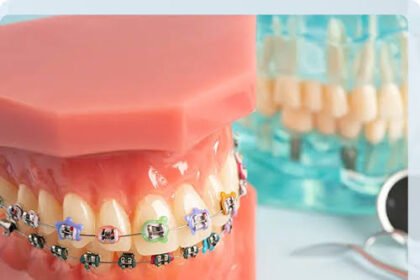


Many people feel nervous when they hear the words “root canal treatment.” For years, root canals were known as painful dental procedures. However, modern dentistry has completely changed this experience. Today, a painless root canal treatment specialist can help patients save their teeth comfortably and safely with little or no pain.
- What Is a Root Canal Treatment?
- Who Is a Painless Root Canal Treatment Specialist?
- Signs You May Need a Root Canal Treatment
- Why Modern Root Canal Treatments Are Painless
- Advanced Local Anesthesia
- Digital Imaging Technology
- Gentle Dental Instruments
- Sedation Options
- Better Infection Control
- The Step-by-Step Root Canal Procedure
- Step 1: Examination and Diagnosis
- Step 2: Numbing the Area
- Step 3: Removing the Infection
- Step 4: Cleaning the Root Canals
- Step 5: Sealing the Tooth
- Step 6: Dental Crown Placement
- Benefits of Choosing a Painless Root Canal Treatment Specialist
- Saves Your Natural Tooth
- Stops Tooth Pain
- Improves Oral Health
- Comfortable Experience
- Long-Lasting Results
- How to Prepare for Your Root Canal Appointment
- Recovery After Root Canal Treatment
- Common Myths About Root Canal Treatment
- Myth 1: Root Canals Are Extremely Painful
- Myth 2: Tooth Extraction Is Better
- Myth 3: Root Canal Treatments Cause Illness
- Myth 4: The Procedure Takes Many Visits
- How to Choose the Right Root Canal Specialist
- Final Thoughts
- 1. Is a painless root canal really possible?
- 2. How long does a root canal treatment take?
- 3. Can I eat after a root canal treatment?
- 4. How much does a painless root canal treatment cost?
- 5. How long does a treated tooth last?
If you are suffering from tooth pain or infection, understanding how painless root canal treatment works can reduce your fear and help you make the right decision for your dental health.
What Is a Root Canal Treatment?
A root canal treatment is a dental procedure used to remove infected or damaged tissue from inside the tooth. Inside every tooth, there is a soft area called the pulp. This pulp contains nerves and blood vessels. When the pulp becomes infected due to deep cavities, cracks, or injury, it can cause severe pain and swelling.
During the treatment, the dentist removes the infected pulp, cleans the inside of the tooth, and seals it carefully. This process helps save the natural tooth instead of removing it completely.
Modern techniques and advanced equipment now allow specialists to perform root canal procedures with minimal discomfort.
Who Is a Painless Root Canal Treatment Specialist?
A painless root canal treatment specialist is a dental expert trained in performing comfortable and stress-free root canal procedures. These specialists often use advanced technology, modern anesthesia, and gentle treatment methods to ensure patients feel relaxed during the process.
They understand that many people fear dental treatments. Therefore, they focus on creating a calm environment and reducing discomfort at every step.
These specialists are usually highly experienced in treating infected teeth while protecting the surrounding gums and tissues.
Signs You May Need a Root Canal Treatment
Many people ignore tooth pain until the condition becomes serious. Recognizing the early signs can help prevent complications.
Here are common symptoms that may indicate you need root canal treatment:
- Severe toothache while chewing
- Sensitivity to hot or cold foods
- Swollen gums near the affected tooth
- Darkening or discoloration of the tooth
- Pimples or abscesses on the gums
- Persistent pain that does not go away
If you notice these symptoms, visiting a painless root canal treatment specialist quickly can help save your tooth and stop the infection from spreading.
Why Modern Root Canal Treatments Are Painless
Thanks to modern dental technology, root canal treatments today are very different from older methods. Most patients report that the procedure feels similar to getting a simple filling.
Here are some reasons why root canal treatments are now considered painless:
Advanced Local Anesthesia
Dentists use powerful local anesthetics to numb the area completely before starting treatment. Patients usually do not feel pain during the procedure.
Digital Imaging Technology
Modern specialists use digital X-rays and advanced imaging systems to locate infections accurately. This allows precise treatment with less discomfort.
Gentle Dental Instruments
New dental tools are designed to clean the root canals smoothly and safely without damaging nearby tissues.
Sedation Options
Some clinics offer sedation dentistry for anxious patients. Mild sedation helps patients stay calm and relaxed during treatment.
Better Infection Control
Modern cleaning and sealing methods reduce inflammation and speed up healing after the procedure.
The Step-by-Step Root Canal Procedure
Understanding the treatment process can help reduce fear and anxiety.
Step 1: Examination and Diagnosis
The specialist first examines your tooth and may take digital X-rays to check the infection.
Step 2: Numbing the Area
Local anesthesia is applied to ensure the treatment area becomes fully numb.
Step 3: Removing the Infection
The dentist creates a small opening in the tooth and removes the infected pulp carefully.
Step 4: Cleaning the Root Canals
The inside of the tooth is cleaned and disinfected to remove bacteria.
Step 5: Sealing the Tooth
After cleaning, the root canals are filled and sealed to prevent future infection.
Step 6: Dental Crown Placement
In many cases, a dental crown is placed on the tooth to restore strength and protect it from damage.
The entire procedure is usually completed in one or two visits, depending on the condition of the tooth.
Benefits of Choosing a Painless Root Canal Treatment Specialist
Choosing an experienced specialist offers many advantages.
Saves Your Natural Tooth
A root canal helps preserve your natural tooth structure instead of extracting the tooth.
Stops Tooth Pain
Removing the infection eliminates severe pain and discomfort.
Improves Oral Health
Treating infections quickly prevents bacteria from spreading to nearby teeth and gums.
Comfortable Experience
Modern specialists focus on making the treatment smooth and stress-free.
Long-Lasting Results
With proper care, a treated tooth can last for many years or even a lifetime.
How to Prepare for Your Root Canal Appointment
Preparing properly can make your visit easier and more comfortable.
- Eat a light meal before the appointment
- Take prescribed medications if advised by your dentist
- Avoid alcohol before treatment
- Ask questions if you feel nervous
- Get enough rest the night before
Many patients feel much more relaxed after speaking openly with their dental specialist.
Recovery After Root Canal Treatment
Most people recover quickly after a root canal procedure. Mild soreness for a few days is normal, but serious pain is uncommon.
Here are some recovery tips:
- Avoid chewing on the treated tooth for a few days
- Take medications as prescribed
- Maintain good oral hygiene
- Brush and floss gently
- Visit your dentist for follow-up care
Most patients return to normal activities the same day or the next day.
Common Myths About Root Canal Treatment
There are many myths that create unnecessary fear about root canal procedures.
Myth 1: Root Canals Are Extremely Painful
Modern root canals are usually painless because of advanced anesthesia and technology.
Myth 2: Tooth Extraction Is Better
Saving the natural tooth is often healthier and more cost-effective than extraction.
Myth 3: Root Canal Treatments Cause Illness
There is no scientific evidence proving root canal treatment causes disease.
Myth 4: The Procedure Takes Many Visits
Many root canals can now be completed in one or two appointments.
How to Choose the Right Root Canal Specialist
Finding the right specialist is important for a comfortable experience.
Look for these qualities:
- Experience in endodontic treatments
- Positive patient reviews
- Modern dental technology
- Clean and professional clinic
- Friendly communication
- Availability of sedation options
A good specialist will explain the treatment clearly and help you feel comfortable throughout the process.
Final Thoughts
Tooth pain should never be ignored. A painless root canal treatment specialist can help remove infection, stop discomfort, and save your natural tooth safely. Thanks to modern dentistry, root canal treatments are now easier, faster, and far more comfortable than many people expect.
If you are experiencing tooth pain or sensitivity, visiting a qualified dental specialist as early as possible can prevent serious complications and protect your smile for years to come.
Frequently Asked Questions (FAQs)
1. Is a painless root canal really possible?
Yes. Modern root canal procedures use advanced anesthesia and dental technology that make the treatment comfortable and nearly pain-free.
2. How long does a root canal treatment take?
Most root canal treatments take between 60 to 90 minutes. Some cases may require two visits depending on the infection.
3. Can I eat after a root canal treatment?
Yes, but it is best to wait until the numbness wears off. Avoid hard foods for a few days after treatment.
4. How much does a painless root canal treatment cost?
The cost depends on the tooth condition, clinic location, and whether a crown is needed. Front teeth are usually less expensive than molars.
5. How long does a treated tooth last?
With proper care and regular dental checkups, a root canal treated tooth can last many years or even a lifetime.