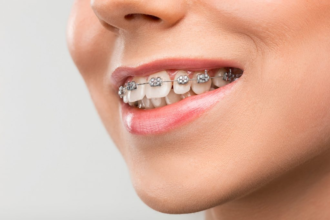
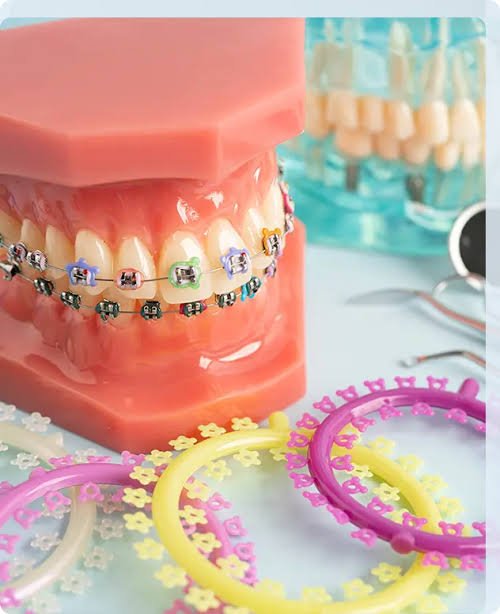

Orthodontics addresses tooth alignment and bite irregularities that may affect chewing, jaw function, and overall oral health. Common signs of alignment problems include crowded teeth, jaw discomfort, uneven tooth wear, and difficulty chewing. Because orthodontic needs vary, dental providers evaluate tooth positioning and bite function before recommending braces, clear aligners, or other treatments. Here is more information about how to tell if you need orthodontic services:
Noticing Crowded or Spaced Teeth
Crowded teeth develop when the jaw lacks sufficient space for proper tooth alignment, resulting in overlapping or rotated teeth. Spacing problems occur when gaps form between neighboring teeth, sometimes allowing food particles to accumulate. Both conditions may affect oral hygiene, particularly when tooth positioning makes brushing or flossing difficult. Because alignment changes vary, dentists evaluate tooth spacing and positioning to determine whether orthodontics is an appropriate treatment option.
Patients may notice crowding or spacing when teeth shift, visible gaps develop, or flossing becomes more difficult. During an examination, dentists assess tooth alignment, available space, and how the upper and lower teeth fit together. Orthodontic treatments, including braces and clear aligners, address certain spacing and crowding concerns by gradually repositioning teeth. Treatment recommendations depend on the severity of misalignment, oral health, and individual dental needs.
Experiencing Jaw Pain or Clicking
Jaw discomfort, clicking sounds, and stiffness may occur when the temporomandibular joint experiences irritation or changes in movement. This joint connects the lower jaw to the skull and supports everyday activities such as chewing and speaking. Some patients also experience headaches, facial discomfort, or difficulty opening their mouths fully.
Bite irregularities sometimes occur alongside jaw discomfort, although misaligned teeth do not always cause temporomandibular joint disorders. Teeth grinding and clenching may also contribute to muscle tension, soreness, and tooth wear. Because jaw symptoms have several possible causes, dental providers evaluate joint movement, bite alignment, and oral health.
Orthodontic evaluations help identify tooth positioning problems that may affect chewing and bite function. Depending on the findings, treatment options include braces, clear aligners, or additional care for jaw-related symptoms. Dentists assess each patient’s symptoms and dental structure before determining whether orthodontic treatment is appropriate.
Struggling With Bite Alignment
Bite misalignment occurs when the upper and lower teeth do not meet properly during chewing or jaw closure. These irregularities may affect chewing function, tooth wear, and the distribution of pressure across the dental arch. Because bite problems vary in severity, dentists examine tooth positioning and jaw relationships before recommending orthodontic treatment. Common bite alignment problems include:
- Developing an overbite when upper front teeth overlap lower front teeth excessively.
- Developing an underbite when lower front teeth extend beyond upper front teeth.
- Developing a crossbite when upper teeth fit inside corresponding lower teeth.
- Developing an open bite when certain upper and lower teeth do not touch.
- Experiencing uneven tooth wear from irregular contact between teeth.
Schedule With Orthodontics Today
Tooth crowding, bite irregularities, jaw discomfort, and uneven tooth wear may indicate alignment concerns that require dental evaluation. Orthodontic examinations assess tooth positioning, bite function, and jaw relationships to identify possible treatment needs. Depending on the findings, dentists may recommend braces, clear aligners, or other approaches to address alignment problems. Schedule an orthodontic evaluation today to discuss your symptoms and explore treatment options suited to your dental needs.