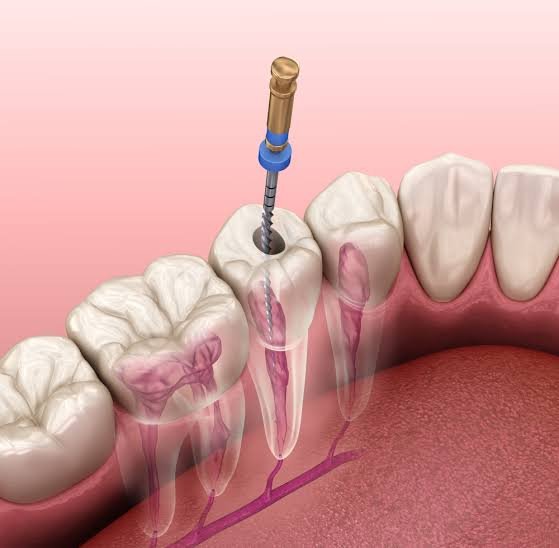

Endodontic implants replace teeth that have decayed or been damaged beyond repair, and your dentist reviews your bone, gums, and health history before recommending the treatment. A specialist places a small post into your jawbone, and this post supports a new crown on top. When a tooth fails at the root, this option restores the gap. This is what patients should know about this procedure:
Permanent Solution
Endodontic implants stay fixed in place. Unlike a removable denture, it anchors directly to your jawbone, and it does not shift during meals. Since the post integrates with living bone, the restoration holds firm for years with proper care.
Many patients keep the implant through daily brushing and regular visits. The materials resist decay, though the surrounding gums still need attention. You care for it like a natural tooth, and routine cleanings keep the area healthy.
Titanium Alloy Post
The implant’s foundation is a titanium alloy post. Titanium bonds well with bone tissue, and the body rarely rejects it. Since the metal is lightweight and strong, dentists have used it in implants for many years. Here are a few reasons dentists select titanium alloy:
- It resists corrosion inside the mouth
- It supports heavy chewing forces
- It bonds tightly with surrounding bone
Your specialist places the post during a short surgical visit. Local anesthesia numbs the area, and the procedure feels manageable for most patients. Once the post settles, the healing phase begins before the crown is attached.
Fused Bone and Crown
After placement, the post needs time to fuse with your jawbone. The bone grows around the metal, which locks the post securely in position. This process is called osseointegration, and it takes several months.
Your dentist attaches an abutment and a custom crown once fusion is complete. The crown matches the shade of your other teeth, and it blends into your smile. Since the color and shape are tailored to you, the result looks natural.
This secure foundation makes sure that the dental implant functions and feels like a natural tooth. The durability of this solution makes it a long-term option for many patients. While the process may take some time, the result is a fully restored smile that improves both function and aesthetics.
Soft-tissue Grafts
Some patients need a soft-tissue graft before or during implant treatment. Thin or receding gums leave the implant site exposed, and a graft adds protective tissue. When your gums lack volume, this step strengthens the foundation around the post. A few situations call for a graft:
- Gradual gum recession near the implant site
- Thin tissue that offers little coverage
- Past gum disease that reduced tissue
The graft heals over a few weeks with basic aftercare. You rinse gently, avoid hard foods, and follow the instructions your specialist provides. Since healthy gums support the implant, this step protects your investment.
Schedule an Endodontic Implants Consultation
An endodontic implant follows several stages, and each one depends on your specific needs. A consultation gives your specialist the details to plan your treatment. When you meet with the team, they examine your bone, gums, and overall oral health. Book your consultation today, and our team will walk you through each step with care.