
Angina is chest discomfort that occurs when the heart does not receive enough oxygen-rich blood, often during physical activity, stress, or other exertion. Alongside medical care, healthy daily habits may reduce triggers, support heart health, and improve symptom management. Here is a closer look at some lifestyle changes that can manage angina symptoms effectively:
Understanding Angina Warning Signs
Knowing what sets off your angina symptoms is a key first step, and tracking patterns helps you respond faster. Here are common triggers and warning signs to watch:
- Physical exertion: Heavy lifting or fast walking increases the heart’s demand for blood, which can bring on chest discomfort during activity.
- Emotional stress: Strong feelings such as anger or worry tighten blood vessels, which may trigger symptoms even at rest.
- Cold weather: Cold air narrows blood vessels, so symptoms sometimes appear when you step outside in winter.
- Large meals: A heavy meal pulls blood toward digestion, and this added strain can spark discomfort soon after eating.
- Shortness of breath: Trouble breathing, along with chest pressure, signals that your heart is working harder than usual.
When you recognize these patterns early, you can adjust your routine and share clear details with your care team.
Building Heart-Healthy Habits
Food choices influence heart health, and healthy habits may reduce the frequency of angina symptoms. Fill your plate with vegetables, fruits, whole grains, and lean proteins, and you should cut back on fried foods and added salt. Movement matters just as much as diet, though the pace should match your ability. Light activity, such as walking, gentle cycling, or stretching, keeps your body active without sudden strain. Talk with your doctor before you start, and stop right away if you feel chest discomfort during exercise. Drink water throughout the day, limit sugary drinks, and keep meal times regular so your body knows what to expect.
Managing Stress and Sleep
Stress and poor sleep place pressure on the heart, and managing them is a fundamental part of angina care. Here are simple ways to calm your daily routine:
- Practice slow breathing: Deep and slow breaths calm the body, and a few minutes each day can ease tension that strains the heart.
- Keep a regular sleep schedule: Going to bed and waking at the same time helps your body rest.
- Limit caffeine late in the day: Coffee and energy drinks can disturb sleep, so it is helpful to stop drinking them early.
- Take short breaks: Pausing during busy tasks lowers stress, and brief rest periods give your heart a chance to recover.
Incorporating these habits into your daily routine can support heart health and enhance your overall well-being.
Following Ongoing Care Plans
Medication is a key component of an angina care plan, and taking it as directed brings the best outcome. Follow the schedule your doctor sets, do not skip doses, and keep a list of every medicine you take. If a drug causes side effects, write them down and report them, so your care team can adjust the plan safely.
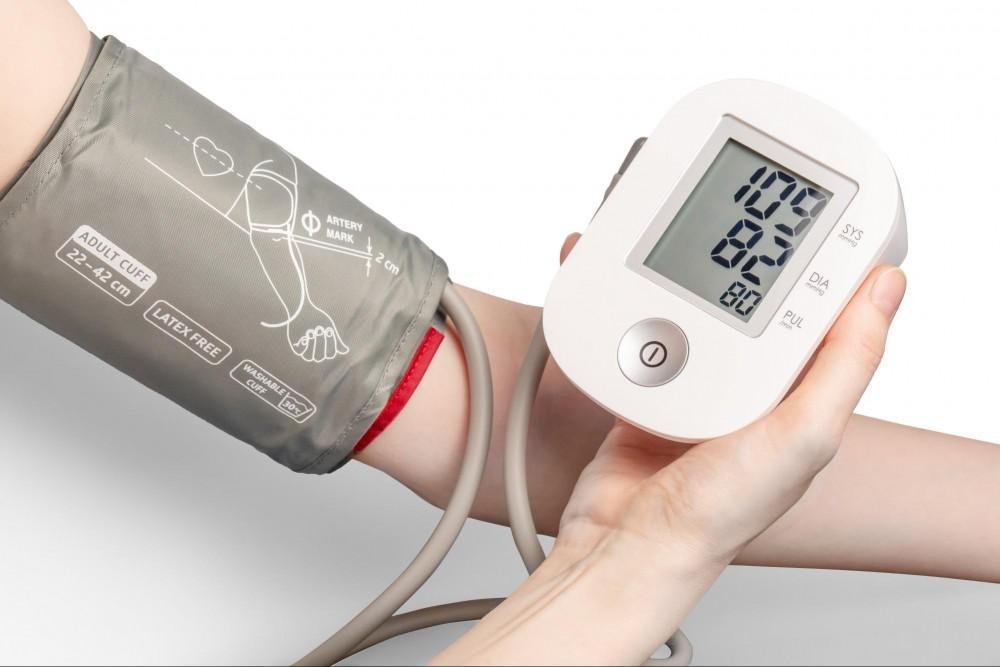
Regular check-ups keep your treatment on track, and they help your doctor identify changes early. During these visits, your provider reviews your blood pressure, cholesterol, and symptom history to see what is working. Bring your questions to each appointment, and share any new triggers you have noticed.
Schedule Your Angina Consultation Today
Effective management of angina requires open communication with your healthcare team, consistent self-monitoring, and timely adjustments to your treatment plan. Tracking your symptoms and identifying potential triggers equips you and your doctor with valuable insights that inform better decisions for your care. Contact a qualified healthcare provider near you to schedule your angina consultation today.