
Chest pain is one of the most common health complaints that brings people to clinics and hospitals. It can be mild or severe, sharp or dull, short-lived or long-lasting. Because the heart is located in the chest, many people immediately fear the worst when they feel pain there. However, chest pain does not always mean a heart problem. It can come from muscles, lungs, digestion, or even stress.
- Understanding Chest Pain: What It Really Means
- When Chest Pain Becomes Serious
- What Happens at a Heart Checkup Clinic?
- 1. Patient History
- 2. Physical Examination
- 3. Electrocardiogram (ECG)
- 4. Blood Tests
- 5. Imaging Tests
- 6. Stress Test
- Common Heart Conditions Found During Chest Pain Diagnosis
- Why Early Diagnosis is Important
- Role of a Heart Checkup Clinic in Prevention
- Lifestyle Advice After Diagnosis
- Emotional Impact of Chest Pain
- Conclusion
Still, chest pain should never be ignored. Proper evaluation at a heart checkup clinic helps identify the real cause early and prevents serious complications. In this article, we will explain chest pain diagnosis, how heart checkup clinics work, and why regular heart screening is important for everyone.
Understanding Chest Pain: What It Really Means
Chest pain is not a disease itself. It is a symptom that can be linked to many conditions. Some are harmless, while others can be life-threatening.
Common causes include:
- Heart-related problems (like angina or heart attack)
- Muscle strain or injury
- Acid reflux (heartburn)
- Lung infections or inflammation
- Anxiety or panic attacks
Because the causes are so different, proper diagnosis is very important. A heart checkup clinic is specially designed to identify whether the pain is coming from the heart or another part of the body.
When Chest Pain Becomes Serious
Not every chest pain is dangerous, but certain signs should never be ignored. You should visit a clinic immediately if you experience:
- Tight or heavy pressure in the chest
- Pain spreading to the left arm, neck, or jaw
- Shortness of breath
- Cold sweating
- Dizziness or fainting
- Nausea with chest discomfort
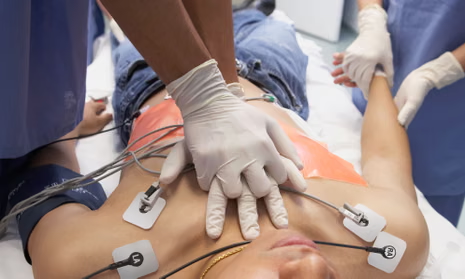
These symptoms may indicate a heart-related emergency, such as a heart attack. Early medical attention can save lives.
What Happens at a Heart Checkup Clinic?
A heart checkup clinic focuses on diagnosing, treating, and preventing heart diseases. When a patient arrives with chest pain, doctors follow a step-by-step process to find the cause.
1. Patient History
The doctor first asks detailed questions such as:
- When did the pain start?
- How does it feel (sharp, burning, squeezing)?
- Does it come and go or stay constant?
- Does anything trigger or reduce the pain?
- Do you have stress, smoking habits, or family history of heart disease?
This information gives important clues about the condition.
2. Physical Examination
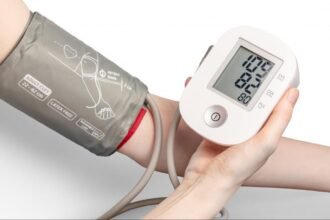
The doctor checks vital signs like:
- Blood pressure
- Heart rate
- Breathing pattern
- Oxygen level
They may also listen to the heart and lungs using a stethoscope to detect unusual sounds.
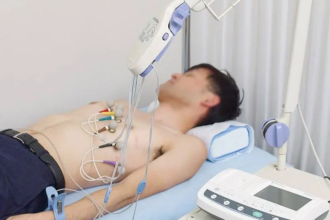
3. Electrocardiogram (ECG)
An ECG is one of the most important tests for chest pain diagnosis. It records the electrical activity of the heart. It helps detect:
- Heart attacks
- Irregular heartbeats
- Reduced blood flow to the heart
It is a quick, painless, and essential test.
4. Blood Tests
Blood tests can detect enzymes released during heart damage. They also check:
- Cholesterol levels
- Blood sugar
- Signs of infection or inflammation
These results help understand overall heart health.
5. Imaging Tests
If needed, doctors may recommend:
- Chest X-ray (to check lungs and chest structure)
- Echocardiogram (ultrasound of the heart)
- CT scan or MRI (for detailed heart images)
These tests give a clearer picture of heart function and structure.
6. Stress Test
A stress test shows how the heart performs during physical activity. It helps detect problems that may not appear when the body is at rest.
Common Heart Conditions Found During Chest Pain Diagnosis
A heart checkup clinic may diagnose several conditions, such as:
1. Angina
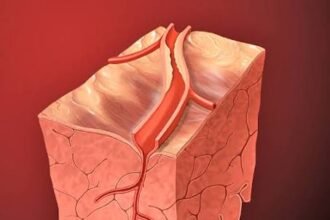
Angina is chest pain caused by reduced blood flow to the heart. It often happens during stress or exercise.
2. Heart Attack
A heart attack occurs when blood flow to part of the heart is blocked. It is a medical emergency.
3. Arrhythmia
This is an irregular heartbeat. It may feel like fluttering or skipping beats.
4. Heart Failure
The heart becomes weak and cannot pump blood properly.
Why Early Diagnosis is Important
Early diagnosis of chest pain can make a huge difference. It helps:
- Prevent heart attacks
- Start treatment early
- Reduce complications
- Improve quality of life
- Avoid unnecessary fear or stress
Many people ignore mild chest pain, thinking it is acidity or fatigue. But only a proper checkup can confirm the true cause.
Role of a Heart Checkup Clinic in Prevention
A heart checkup clinic is not only for sick people. It is also for healthy individuals who want to prevent future problems.
Regular heart screenings help:
- Detect early signs of heart disease
- Monitor blood pressure and cholesterol
- Identify lifestyle risks
- Provide diet and exercise advice
Doctors often recommend yearly heart checkups for people over 40 or those with risk factors like smoking, diabetes, or family history.
Lifestyle Advice After Diagnosis
If chest pain is linked to heart issues, doctors usually recommend lifestyle changes such as:
- Eating a balanced diet (less oil, salt, and sugar)
- Regular exercise like walking or swimming
- Quitting smoking and alcohol
- Managing stress through relaxation techniques
- Getting enough sleep
Medication may also be prescribed depending on the condition.
Emotional Impact of Chest Pain
Chest pain can cause anxiety and fear. Many people think they are having a heart attack even when the cause is mild. This stress itself can worsen symptoms.
A heart checkup clinic also provides reassurance. Once serious conditions are ruled out, patients often feel mentally relieved and more confident about their health.
Conclusion
Chest pain is a warning signal from the body that should never be ignored. While not all chest pain is related to the heart, only proper medical evaluation can confirm the cause. A heart checkup clinic plays a vital role in chest pain diagnosis by using advanced tests, expert evaluation, and preventive care.
Whether the cause is minor or serious, early diagnosis ensures better treatment and peace of mind. Taking care of your heart today means protecting your future health.
Frequently Asked Questions (FAQs)
1. Is all chest pain related to the heart?
No, chest pain can come from muscles, lungs, digestion, or anxiety. Only proper tests can confirm the cause.
2. When should I visit a heart checkup clinic for chest pain?
You should visit immediately if the pain is severe, persistent, or comes with symptoms like shortness of breath, sweating, or dizziness.
3. What tests are done for chest pain diagnosis?
Common tests include ECG, blood tests, chest X-ray, echocardiogram, and stress tests.
4. Can stress cause chest pain?
Yes, stress and anxiety can cause tightness or pain in the chest, often called a panic attack.
5. How often should I get a heart checkup?
Healthy adults should have a heart checkup every 1–2 years, while high-risk individuals may need more frequent screening.