
A healthy heart is one of the most important parts of a healthy life. Many heart problems do not show clear symptoms in the beginning, which is why medical tests are very important. Two of the most common heart tests used today are ECG and echocardiography. A medical place where these tests are done is called an ECG and echocardiography testing center.
- What is an ECG Test?
- What is Echocardiography?
- What is an ECG and Echocardiography Testing Center?
- Why These Testing Centers Are Important
- What Happens When You Visit the Center?
- Who Should Get These Tests?
- Benefits of ECG and Echocardiography Testing Centers
- Technology Used in These Centers
- How to Prepare for the Tests
- Conclusion
In this article, we will understand what these tests are, why they are important, how they are done, and what you can expect when visiting such a center. Everything is explained in simple and easy language so anyone can understand.
What is an ECG Test?
ECG stands for Electrocardiogram. It is a simple and quick test that checks the electrical activity of your heart. Every heartbeat is controlled by electrical signals, and an ECG records these signals on a screen or paper.
Why ECG is done
Doctors recommend an ECG to:
- Check irregular heartbeat (arrhythmia)
- Find signs of heart attack
- Monitor heart health
- Detect heart disease early
- Check chest pain causes
How ECG works
During the test:
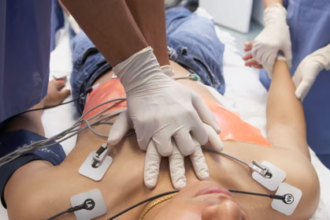
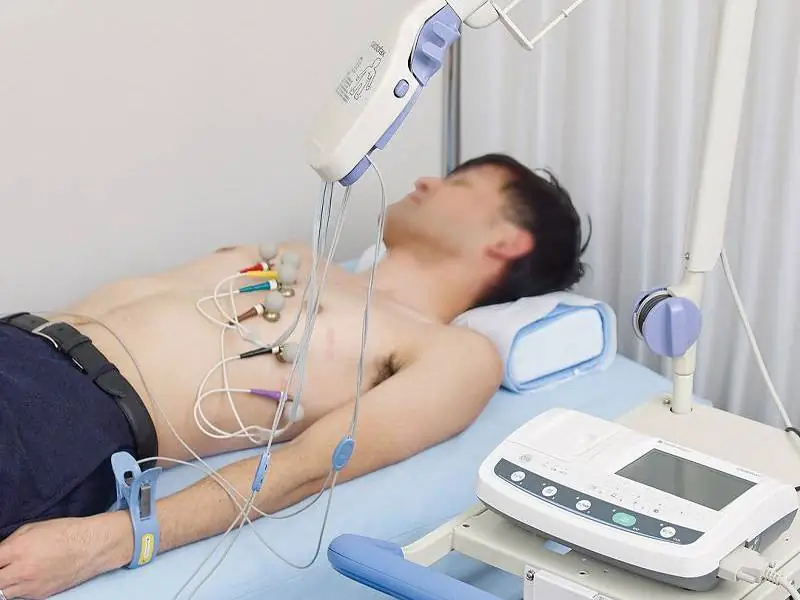
- Small sticky patches (called electrodes) are placed on your chest, arms, and legs.
- These electrodes are connected to a machine.
- The machine records the heart’s electrical signals.
- The result appears as waves on a screen or printout.
The test is painless and usually takes only 5–10 minutes.
What is Echocardiography?
Echocardiography, often called Echo test, is a type of ultrasound test for the heart. It uses sound waves to create images of the heart.
Unlike ECG, which records electrical activity, echocardiography shows the structure and movement of the heart.
Why echocardiography is done
Doctors use this test to:
- See how well the heart is pumping blood
- Check heart valves
- Detect heart defects
- Find fluid around the heart
- Monitor heart disease or heart failure
How echocardiography works
During the test:
- A gel is applied on your chest.
- A small device called a transducer is moved over the chest.
- The device sends sound waves into the body.
- These waves bounce back and create live images of the heart on a screen.
The test is also painless and usually takes 15–30 minutes.
What is an ECG and Echocardiography Testing Center?
An ECG and echocardiography testing center is a medical facility where both ECG and Echo tests are performed. These centers may be part of:
- Hospitals
- Heart specialty clinics
- Diagnostic laboratories
These centers are equipped with modern machines and trained technicians who perform heart tests and help doctors understand your heart condition better.
Why These Testing Centers Are Important
Heart diseases are one of the leading health problems worldwide. Many people ignore early symptoms like chest pain, tiredness, or short breath. ECG and echocardiography testing centers play a key role in early diagnosis.
Main importance:
- Early detection of heart problems
- Accurate diagnosis
- Helps in emergency cases like heart attack
- Regular monitoring for heart patients
- Prevents serious complications
Early testing can save lives because heart problems are easier to treat when found early.
What Happens When You Visit the Center?
Visiting an ECG and echocardiography testing center is simple and stress-free.
Step-by-step process:
- Registration
You provide your basic details at the reception. - Doctor’s prescription (if needed)
Some centers require a doctor’s referral, but many also accept walk-in patients. - ECG test first
The technician performs the ECG test quickly and safely. - Echo test (if required)
If the doctor suggests, you may go for an echocardiography test. - Waiting for results
ECG results are usually available immediately, while echo reports may take some time. - Doctor review
A cardiologist may review your reports and explain the results.
Who Should Get These Tests?
Not everyone needs these tests regularly, but they are important for certain people.
You may need ECG or echocardiography if you have:
- Chest pain or discomfort
- Shortness of breath
- High blood pressure
- Diabetes
- Family history of heart disease
- Irregular heartbeat
- Swelling in legs or body fatigue
Doctors may also recommend these tests during routine checkups for older adults.
Benefits of ECG and Echocardiography Testing Centers
These centers offer many benefits:
1. Quick diagnosis
Both tests are fast and help doctors make quick decisions.
2. Safe and painless
There are no injections, cuts, or pain involved.
3. Early treatment
Early detection helps prevent heart attacks and other serious problems.
4. Accurate results
Modern machines provide detailed and reliable results.
5. Expert support
Trained technicians and cardiologists guide patients properly.
Technology Used in These Centers
Modern ECG and echocardiography centers use advanced machines such as:
- Digital ECG machines
- 2D and 3D echocardiography systems
- Portable heart monitors
- Computer-based reporting systems
These technologies help in getting clearer images and more accurate readings.
How to Prepare for the Tests
No special preparation is needed, but here are some simple tips:
- Wear comfortable clothes
- Avoid applying oil or lotion on the chest
- Stay calm and relaxed
- Inform the doctor about your medical history
For echocardiography, sometimes you may be asked to avoid heavy meals before the test.
Conclusion
An ECG and echocardiography testing center plays a very important role in modern healthcare. These centers help detect heart problems early, monitor existing conditions, and guide doctors in choosing the right treatment.
Both ECG and echocardiography are simple, safe, and painless tests that provide valuable information about your heart. If you ever experience symptoms like chest pain, shortness of breath, or irregular heartbeat, visiting such a center can be a life-saving decision.
Taking care of your heart is not just about treatment—it is about prevention, awareness, and timely action.
FAQs
1. Is ECG painful?
No, ECG is completely painless. It only records heart signals using small stickers on your skin.
2. How long does an echocardiography test take?
It usually takes between 15 to 30 minutes depending on the condition of the patient.
3. Can I eat before these tests?
Yes, for ECG you can eat normally. For echocardiography, follow your doctor’s advice.
4. Are these tests safe?
Yes, both ECG and echocardiography are very safe and do not use harmful radiation.
5. When should I visit a testing center?
You should visit if you feel chest pain, dizziness, irregular heartbeat, or if your doctor recommends it.