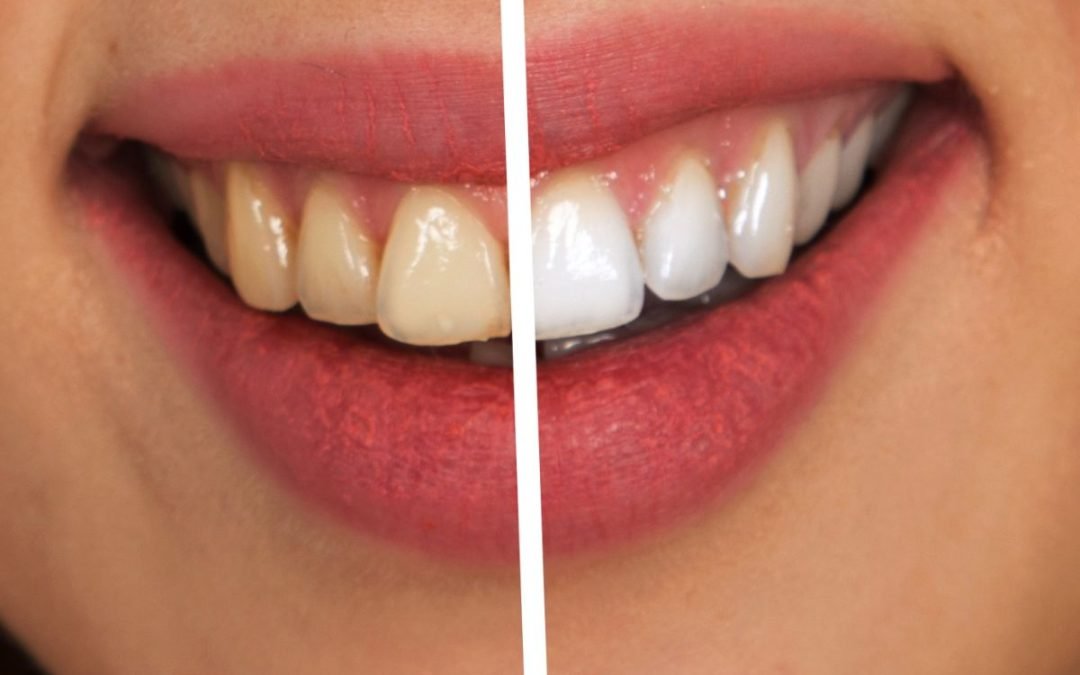

Professional teeth whitening addresses discoloration and surface stains that may develop on teeth over time. Foods, beverages, smoking, aging, and oral hygiene habits sometimes influence tooth color and contribute to staining. After whitening treatment, daily oral hygiene and routine dental care can form part of maintaining the appearance of your smile. Here is more information about ways to keep your teeth white after whitening treatments:
Limiting Staining Foods and Drinks
Certain foods and beverages may contribute to tooth discoloration after teeth whitening. Coffee, tea, red wine, and dark-colored sauces contain pigments that is able to leave stains on tooth surfaces. Limiting how frequently these items contact the teeth may form part of a routine following professional whitening.
Patients do not necessarily need to eliminate staining foods or beverages from their diets. Drinking water after consuming dark-colored beverages helps rinse away some residue left on the teeth. Using a straw with appropriate cold beverages may also limit direct contact with the front teeth.
Rinsing After Meals
Rinsing with water after meals helps remove food particles and residue that may contribute to surface staining. This habit is able to be especially useful after consuming dark-colored or acidic foods and beverages. Because acidic foods can temporarily affect the tooth surface, patients are able to be advised to wait before brushing their teeth. Water is able to be used during this period as part of a regular oral hygiene routine.
Maintaining an Oral Routine
Daily brushing and flossing help remove plaque, food particles, and surface buildup that is able to affect tooth appearance. Brushing twice daily with fluoride toothpaste and flossing once daily are common parts of an oral hygiene routine. Consistent home care can also complement professional dental cleanings and whitening treatments.
Some whitening toothpastes are formulated to remove light surface stains between professional treatments. Patients are able to look for products with the ADA Seal of Acceptance and follow the directions provided on the label. A dentist can also recommend oral care products based on individual dental needs and whitening goals.
Avoiding Tobacco Products
Tobacco products is able to contribute to yellow or brown tooth discoloration that develops with repeated use. Cigarettes, cigars, and chewing tobacco contain substances that may leave stains on tooth surfaces, including after whitening treatment. Regular brushing doesn’t always remove all discoloration associated with ongoing tobacco use. Patients interested in quitting can discuss cessation resources and available support with a healthcare provider.
Scheduling Regular Dental Visits
Routine dental visits allow the dental team to examine the teeth and perform professional cleanings when appropriate. These cleanings can remove plaque, tartar, and some surface stains that remain after regular home care. The recommended schedule for dental visits are able to vary based on individual oral health needs.
Patients may also discuss whitening touch-ups during routine dental appointments. Depending on individual needs, a dentist is able to recommend professional treatment or a take-home whitening option with custom trays. The dentist can evaluate tooth color, oral health, and previous whitening treatment before discussing available options.
Schedule a Teeth Whitening Consultation
Professional teeth whitening options vary based on tooth color, oral health, and individual treatment goals. A dental consultation provides an opportunity to discuss in-office whitening and available take-home options. The dental team can also provide guidance about oral hygiene and maintenance following whitening treatment. Schedule a whitening consultation today to discuss which treatment option fits your dental needs.