
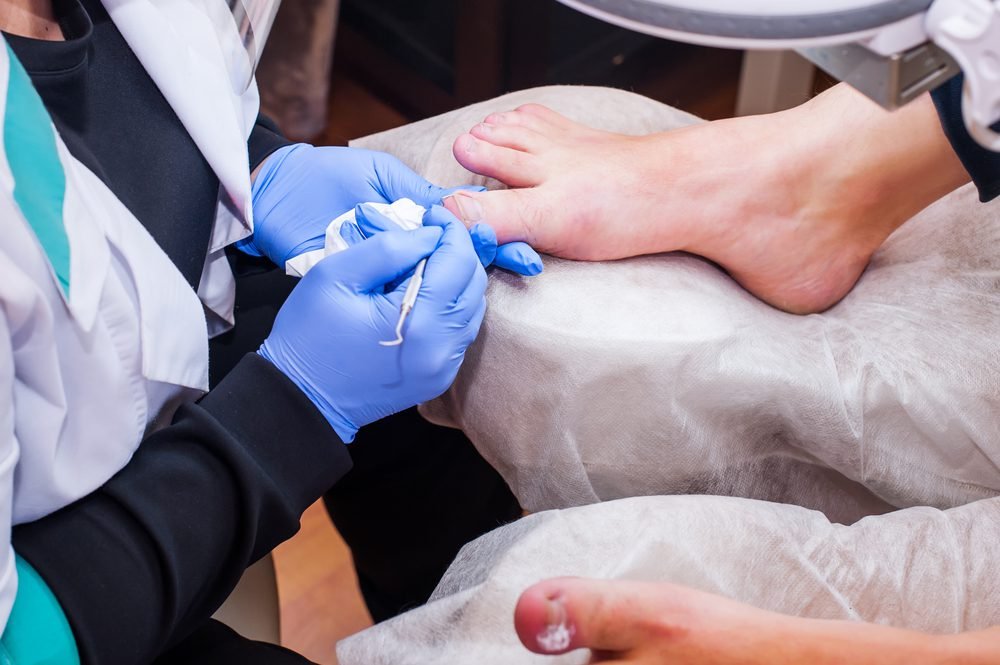

Ingrown toenails are a common foot condition in which the nail grows into the surrounding skin, which causes pain, swelling, and potential infection. Understanding its causes and management options can minimize discomfort, and professional treatment helps prevent recurrence. Here is more information on ingrown toenails, the factors that contribute to their development, and how to cope:
What Are Ingrown Toenails?
An ingrown toenail occurs when the edge or corner of a nail grows into the surrounding skin. This condition most often affects the big toe, but any toe can be affected. The area typically becomes red, swollen, and tender, and an infection may develop if left unaddressed. Symptoms progress in stages, which makes early recognition an integral part of effective management. Initial signs include mild tenderness and slight swelling along the nail border.
What Causes Them?
Several factors contribute to ingrown toenails, and understanding them can help with prevention. Improper nail trimming is one of the most common culprits. When nails are cut too short or rounded at the edges, they are more likely to grow into the surrounding skin, which increases the risk of irritation and infection.
Genetics can also play a role, as some individuals naturally have curved nails that are more prone to growing inward. Toe injuries may alter nail growth patterns. Excessive sweating softens the skin, and when combined with poor foot hygiene, it becomes easier for the nail to penetrate the surrounding tissue, accelerating symptom progression.
What Are Effective Coping Strategies?
Managing an ingrown toenail at home can relieve mild discomfort and support healing. Strategies that work well for early-stage cases include:
- Soaking the affected foot in warm water to reduce swelling and soften the skin.
- Gently placing a small piece of cotton or dental floss under the nail edge to encourage it to grow above the skin.
- Wearing open-toed shoes or loose footwear that reduces pressure on the toe.
Over-the-counter pain relievers can ease discomfort during healing. Keeping the area clean and dry is key, as moisture and bacteria can increase the risk of infection developing. The toe should remain dry between soaks, and loose, breathable footwear supports this goal. Symptoms that persist beyond a few days or worsen require professional care.
How Can a Podiatrist Help?
A podiatrist is a foot specialist trained to treat ingrown toenails through several methods, and their involvement may be necessary when home treatment proves insufficient. During an initial assessment, the podiatrist examines the affected toe. They evaluate the severity of the condition and check for signs of infection, which guides the choice of treatment.
Severe or recurring cases may require a partial nail removal. In this procedure, a portion of the nail is removed under local anesthesia. When infection is present, the podiatrist may prescribe antibiotics alongside physical treatment to address both the cause and its complications. A podiatrist may offer guidance on preventing recurrence; prevention strategies include proper nail-trimming techniques, appropriate footwear choices, and foot-care routines tailored to individual needs.
Consult a Podiatrist Now
Ingrown toenails range from a minor problem to a painful condition that interferes with daily life. Home strategies such as warm soaks, careful footwear choices, and good hygiene can effectively address mild cases. When symptoms persist, worsen, or show signs of infection, professional treatment helps with recovery. A podiatrist can provide targeted care, and they will help you avoid future problems. Book an appointment with a podiatrist today to get personalized treatment.