

Diabetes is a long-term health condition that affects how your body controls blood sugar. Over time, high blood sugar can damage many parts of the body, especially the feet. That is why a diabetic foot care treatment clinic plays an important role in protecting people from serious foot problems.
- What is a Diabetic Foot Care Treatment Clinic?
- Why Diabetic Foot Care is Important
- 1. Nerve Damage (Neuropathy)
- 2. Poor Blood Circulation
- 3. Risk of Infection
- 4. Prevention of Amputation
- Common Foot Problems in Diabetic Patients
- Services Offered in a Diabetic Foot Care Treatment Clinic
- 1. Foot Examination
- 2. Wound Care Treatment
- 3. Infection Control
- 4. Nail and Skin Care
- 5. Custom Footwear Advice
- 6. Blood Flow Improvement Treatment
- 7. Patient Education
- How a Diabetic Foot Care Clinic Helps Patients
- Daily Foot Care Tips for Diabetic Patients
- When Should You Visit a Diabetic Foot Care Treatment Clinic?
- Benefits of Regular Checkups
- Conclusion
- FAQs
In this article, we will explain what a diabetic foot care clinic is, why it is important, what treatments are offered, and how it helps prevent complications. This guide is written in simple and easy language so everyone can understand.
What is a Diabetic Foot Care Treatment Clinic?
A diabetic foot care treatment clinic is a specialized medical center where doctors and foot care experts treat foot problems caused by diabetes. These clinics focus on preventing, diagnosing, and treating issues like wounds, infections, nerve damage, and poor blood circulation in the feet.
People with diabetes are more likely to develop foot problems because high blood sugar can damage nerves and reduce blood flow. This makes it harder for wounds to heal and increases the risk of infection.
At these clinics, the main goal is simple:
- Prevent foot problems before they start
- Treat wounds early
- Avoid serious complications like amputation
Why Diabetic Foot Care is Important
Many people do not realize how serious diabetic foot problems can become. A small cut or blister can turn into a big infection if not treated properly.
Here are some reasons why foot care is very important for diabetic patients:
1. Nerve Damage (Neuropathy)
Diabetes can damage nerves in the feet. This means a person may not feel pain, heat, or injury. So, a small wound may go unnoticed.
2. Poor Blood Circulation
Diabetes can reduce blood flow to the feet. Without good blood flow, wounds heal slowly and infections become more dangerous.
3. Risk of Infection
Even a small cut can become infected quickly. In severe cases, infections can spread to bones.
4. Prevention of Amputation
In serious cases, untreated infections can lead to amputation (removal of part of the foot or leg). Regular care in a diabetic foot care treatment clinic helps prevent this.
Common Foot Problems in Diabetic Patients
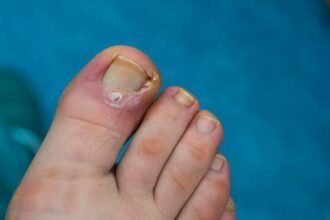
A diabetic foot care clinic treats many types of foot problems, such as:
- Foot ulcers (open wounds)
- Fungal infections
- Corns and calluses
- Dry and cracked skin
- Ingrown toenails
- Swelling in feet
- Deformed toes (like hammertoes)
- Charcot foot (weak bones in the foot)
Early treatment is very important to avoid long-term damage.
Services Offered in a Diabetic Foot Care Treatment Clinic
A good diabetic foot care clinic offers many services to help patients maintain healthy feet.
1. Foot Examination
Doctors carefully check the feet for cuts, wounds, infections, and nerve damage. They also test sensation and blood circulation.
2. Wound Care Treatment
If a patient has a wound or ulcer, it is cleaned, dressed, and treated with medicine to help it heal faster.
3. Infection Control
Antibiotics or antifungal medicines are given to stop infections from spreading.
4. Nail and Skin Care
Experts treat ingrown nails, remove dead skin, and manage dry or cracked feet.
5. Custom Footwear Advice
Special shoes or insoles are recommended to reduce pressure on sensitive areas of the foot.
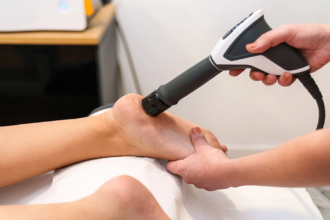
6. Blood Flow Improvement Treatment
In some cases, treatments are provided to improve circulation in the legs and feet.
7. Patient Education
Patients are taught how to take care of their feet at home, including daily checks and hygiene practices.
How a Diabetic Foot Care Clinic Helps Patients
The main benefit of a diabetic foot care treatment clinic is prevention. Instead of waiting for problems to get worse, these clinics focus on early detection.
Here is how they help:
- Reduce the risk of serious infections
- Promote faster healing of wounds
- Prevent foot ulcers from getting worse
- Help patients walk comfortably
- Reduce hospital visits and surgeries
- Improve quality of life
With regular visits, many serious complications can be avoided completely.
Daily Foot Care Tips for Diabetic Patients
Even if you visit a clinic, daily care at home is very important. Here are some simple tips:
- Wash feet daily with warm water and mild soap
- Dry feet carefully, especially between toes
- Check feet daily for cuts, blisters, or redness
- Moisturize dry skin but avoid between toes
- Wear clean, soft socks
- Use comfortable shoes that fit well
- Never walk barefoot
- Trim nails carefully or get professional help
- Control blood sugar levels
These small habits can make a big difference.
When Should You Visit a Diabetic Foot Care Treatment Clinic?
You should visit a clinic immediately if you notice:
- A wound that does not heal
- Pain, swelling, or redness in the foot
- Black or dark skin areas
- Bad smell from a wound
- Tingling or numbness in feet
- Fever along with foot problems
Early treatment can prevent serious complications.
Benefits of Regular Checkups
Regular visits to a diabetic foot care treatment clinic offer many benefits:
- Early detection of problems
- Better control of foot health
- Reduced risk of infection
- Improved mobility
- Peace of mind for patients
Doctors recommend at least one foot checkup every 3 to 6 months for diabetic patients.
Conclusion
A diabetic foot care treatment clinic is an important place for people living with diabetes. It helps protect feet from serious damage and prevents life-threatening complications. With proper care, regular checkups, and good daily habits, most diabetic foot problems can be avoided.
Taking care of your feet is not just about comfort—it is about protecting your health and independence. If you or someone you know has diabetes, visiting a foot care clinic can be a life-saving decision.
FAQs
1. What is a diabetic foot care treatment clinic?
It is a medical clinic that specializes in preventing and treating foot problems caused by diabetes, such as ulcers, infections, and nerve damage.
2. How often should a diabetic patient visit a foot clinic?
Most doctors recommend visiting every 3 to 6 months, or immediately if any foot problem appears.
3. Can diabetic foot problems be cured?
Yes, many problems can be treated if detected early. However, severe cases may require long-term care.
4. What are the early signs of diabetic foot problems?
Numbness, swelling, redness, slow-healing wounds, and pain are early warning signs.
5. How can I prevent diabetic foot problems at home?
Daily foot inspection, good hygiene, proper footwear, and blood sugar control can help prevent most problems.