
Retinal tears are a serious eye condition that can progress to retinal detachment and permanent vision loss if left untreated. Several underlying conditions and risk factors are associated with these tears; these range from age-related changes in the eye to hereditary conditions and physical trauma. Recognizing associated symptoms and knowing when to seek specialist care helps preserve long-term eye health, as early intervention can prevent irreversible damage. Here is more information on the primary conditions linked to retinal tears:
What Is a Retinal Tear?
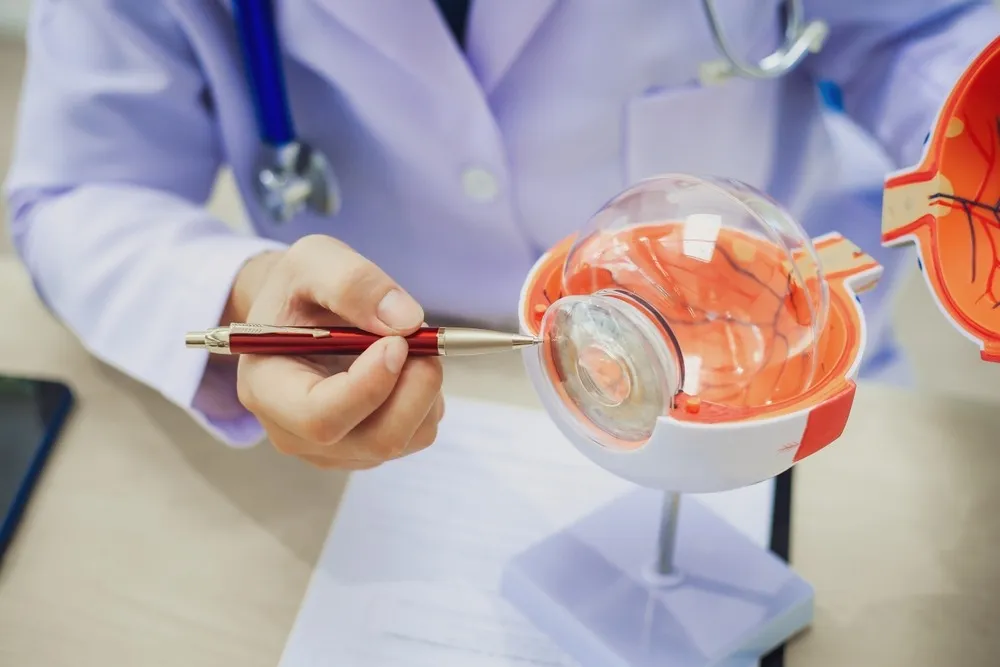
The retina is a thin layer of light-sensitive tissue that lines the back of the eye, and it plays a key role in vision. A retinal tear occurs when this tissue develops a break or hole. This typically results from physical stress or structural changes within the eye that compromise the integrity of the retinal layer. If left untreated, fluid can seep through the tear and lift the retina away from its underlying tissue, which is a condition known as retinal detachment.
These tears can occur in one or both eyes. They develop gradually or suddenly depending on the underlying cause. Since the retina has no pain receptors, a tear rarely causes discomfort. This absence of pain matters because people must rely on other symptoms to detect a potential tear; awareness of warning signs is a valuable part of eye health monitoring.
What Conditions Cause Them?
Retinal tears are associated with several underlying conditions and risk factors. A common cause is posterior vitreous detachment (PVD), which is a natural age-related process in which the vitreous gel inside the eye shrinks and separates from the retina. This separation may exert enough traction to tear delicate retinal tissue, and understanding the causes supports early identification and intervention.
Other conditions that increase risk include:
- High myopia (severe nearsightedness): Highly myopic eyes are longer than average, stretching the retina and making it more vulnerable to tearing.
- Trauma: A direct blow to the eye or head can cause the vitreous to pull sharply on the retina, resulting in a tear.
- Family history: A genetic predisposition to retinal conditions can elevate individual risk.
What Are the Symptoms?
Recognizing the symptoms of a tear facilitates timely treatment. A sudden increase in floaters is common, and these small specks, dots, or thread-like shapes drift across the field of vision. When a tear occurs, debris or blood is released into the vitreous, which causes the floaters to appear.
Flashes of light, particularly in peripheral vision, are another common sign. The vitreous pulls on or stimulates the retina, which produces these flashes. A shadow or dark curtain may appear at the edge of the visual field, and this suggests that the retina has begun to detach, making prompt evaluation necessary.
When Is Professional Care Necessary?
Any sudden change in vision warrants prompt evaluation by an eye care professional. New or increasing floaters, flashes of light, or a visual shadow are urgent symptoms, and they should not be ignored. Since these changes can indicate an active retinal tear or early-stage detachment, timely assessment helps preserve vision.
Consult a Retina Specialist
Retinal tears are a treatable condition when identified early. Understanding the associated risk factors helps patients recognize when vision changes require attention. Symptoms are often subtle, but responding quickly may prevent progression to retinal detachment. A retina specialist can accurately diagnose and treat retinal tears using procedures such as laser therapy, which seals the tear and protects the surrounding tissue. If you have symptoms, schedule a comprehensive eye exam with a retina specialist today.