
Taking care of a child’s eyes is just as important as taking care of their overall health. Good vision helps children learn, play, read, and explore the world around them. Yet many parents do not realize that eye problems in children can start early and may go unnoticed for a long time. This is why pediatric eye care and vision testing is an essential part of a child’s healthy development.
- What is Pediatric Eye Care?
- Why is Vision Testing Important for Children?
- 1. Early Detection of Problems
- 2. Better Learning Ability
- 3. Preventing Long-Term Damage
- 4. Improving Confidence
- Common Eye Problems in Children
- 1. Myopia (Nearsightedness)
- 2. Hyperopia (Farsightedness)
- 3. Astigmatism
- 4. Amblyopia (Lazy Eye)
- 5. Strabismus (Crossed Eyes)
- 6. Eye Allergies or Infections
- When Should Children Have Eye Exams?
- Warning Signs of Vision Problems in Children
- How Pediatric Vision Testing is Done
- Treatment Options for Children’s Eye Problems
- Tips for Maintaining Healthy Vision in Children
- 1. Limit Screen Time
- 2. Encourage Outdoor Play
- 3. Healthy Diet
- 4. Proper Lighting
- 5. Regular Eye Checkups
- The Role of Parents in Eye Health
- Conclusion
- Frequently Asked Questions (FAQs)
In this article, we will explain what pediatric eye care means, why vision testing is important, common eye problems in children, when to get an eye exam, and how parents can support healthy vision at home. Everything is written in a simple and human way so it is easy to understand and apply.
What is Pediatric Eye Care?
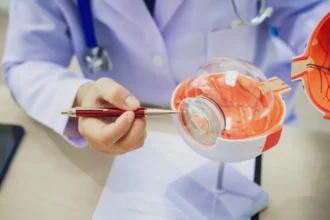
Pediatric eye care is the branch of healthcare that focuses on the eye health of infants, children, and teenagers. It includes checking how well a child can see, identifying eye diseases early, and treating vision problems before they become serious.
A pediatric eye specialist or eye doctor checks for issues like blurry vision, crossed eyes, lazy eye, or difficulty focusing. Children may not always realize or explain that something is wrong with their vision. So regular checkups are important even if the child seems fine.
Good eye care helps ensure that a child’s vision develops properly during their growing years.
Why is Vision Testing Important for Children?
Vision plays a major role in a child’s learning and development. In fact, more than 80% of what children learn in school comes through visual information. If a child has trouble seeing clearly, it can affect reading, writing, attention, and confidence.
Here are some key reasons why pediatric eye care and vision testing is important:
1. Early Detection of Problems
Many eye problems do not show clear symptoms. Vision testing helps detect issues like nearsightedness or eye alignment problems early.
2. Better Learning Ability
Children with clear vision learn faster and perform better in school because they can read and understand things easily.
3. Preventing Long-Term Damage
Some eye conditions, if untreated, can lead to permanent vision loss. Early testing prevents complications.
4. Improving Confidence
Children who struggle with vision may avoid reading or sports. Treating vision issues helps them feel more confident.
Common Eye Problems in Children
There are several eye conditions that can affect children. Some of the most common include:
1. Myopia (Nearsightedness)
A child can see nearby objects clearly but distant objects appear blurry. This is becoming more common due to increased screen time.
2. Hyperopia (Farsightedness)
The child can see distant objects better than close ones. This may cause headaches or difficulty reading.
3. Astigmatism
This condition causes blurry or distorted vision due to an irregular shape of the eye.
4. Amblyopia (Lazy Eye)
One eye is weaker than the other. If not treated early, the brain starts ignoring signals from the weaker eye.
5. Strabismus (Crossed Eyes)
Both eyes do not align properly and may point in different directions.
6. Eye Allergies or Infections
Children may experience redness, itching, or swelling due to allergies or infections.
Early vision testing helps detect these conditions before they affect learning and development.
When Should Children Have Eye Exams?
Parents often wonder when they should take their child for an eye checkup. Experts recommend the following schedule:
- At birth: Basic eye screening in the hospital
- 6 months old: First detailed eye exam
- 3 years old: Vision and eye alignment check
- Before starting school (5–6 years): Important full eye test
- Every 1–2 years after that: Regular follow-ups
If a child shows signs of vision problems, an eye exam should be done immediately, no matter their age.
Warning Signs of Vision Problems in Children
Parents should watch for these signs:
- Squinting or blinking often
- Sitting too close to the TV or holding books very close
- Complaining of headaches
- Rubbing eyes frequently
- Difficulty reading or avoiding schoolwork
- One eye turning in or out
- Poor attention in class
If you notice any of these signs, it is time for a vision test.
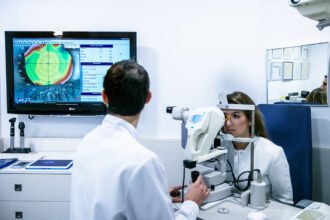
How Pediatric Vision Testing is Done
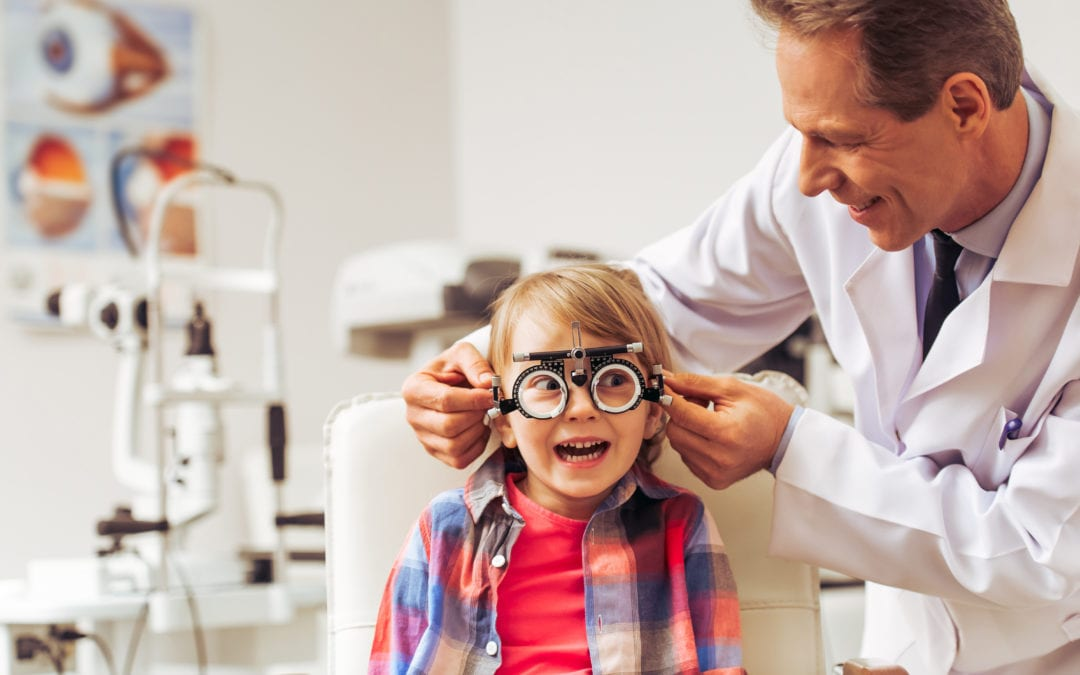
Many parents worry that eye tests may be difficult for children, but pediatric vision testing is simple, safe, and painless.
A doctor may use:
- Picture charts instead of letters for young children
- Light tests to check eye response
- Machines to measure eye shape and focus
- Cover tests to check eye alignment
- Reading tests for older children
The whole process is child-friendly and often feels like a game for younger kids.
Treatment Options for Children’s Eye Problems
If a vision problem is found, treatment depends on the condition. Some common treatments include:
- Glasses or corrective lenses
- Eye patch therapy for lazy eye
- Eye exercises
- Medication for infections or allergies
- In rare cases, surgery for alignment issues
The earlier treatment starts, the better the results.
Tips for Maintaining Healthy Vision in Children
Parents can play a big role in protecting their child’s eyesight. Here are some simple tips:
1. Limit Screen Time
Too much screen exposure can strain eyes. Encourage breaks every 20 minutes.
2. Encourage Outdoor Play
Natural light helps eye development and reduces the risk of myopia.
3. Healthy Diet
Foods rich in vitamin A, C, and E like carrots, spinach, and fruits support eye health.
4. Proper Lighting
Make sure children read and study in good lighting conditions.
5. Regular Eye Checkups
Even if there are no problems, routine pediatric eye care and vision testing is important.
The Role of Parents in Eye Health
Parents are the first line of defense in protecting a child’s vision. Children may not realize when their eyesight is getting worse, so observation is key. Talking to your child about how they see the world can help detect problems early.
Encouraging good habits, scheduling regular checkups, and responding quickly to warning signs can make a big difference in a child’s future vision.
Conclusion
Pediatric eye care and vision testing are essential for a child’s healthy growth, learning, and confidence. Many vision problems start early but can be easily treated if detected in time. Regular eye exams, healthy habits, and parental awareness can prevent long-term complications.
Clear vision is not just about seeing well—it is about helping children reach their full potential in school, sports, and life. Taking care of their eyes today means giving them a brighter future tomorrow.
Frequently Asked Questions (FAQs)
1. At what age should a child have their first eye exam?
A child should have their first eye exam at around 6 months of age, followed by regular checkups as they grow.
2. How do I know if my child has vision problems?
Signs include squinting, headaches, sitting too close to screens, or difficulty reading.
3. Can screen time damage my child’s eyesight?
Excessive screen time can cause eye strain and may increase the risk of nearsightedness.
4. Are glasses common for children?
Yes, many children need glasses due to conditions like myopia or astigmatism, and it helps improve their learning.
5. Is pediatric vision testing painful?
No, vision testing is completely painless and usually feels like simple games or reading exercises for children.