
Glaucoma is one of the most serious eye conditions that can slowly damage vision without early warning signs. Many people do not realize they have it until their eyesight becomes weak. This is why regular eye checkups at a glaucoma treatment and eye pressure clinic are very important. These clinics specialize in detecting, monitoring, and treating high eye pressure, which is one of the main causes of glaucoma.
- What is Glaucoma?
- What is Eye Pressure?
- Why Eye Pressure Clinics are Important
- Symptoms of Glaucoma
- Types of Glaucoma
- How a Glaucoma Treatment Clinic Works
- 1. Eye Pressure Test (Tonometry)
- 2. Optic Nerve Examination
- 3. Visual Field Test
- 4. Eye Imaging Scans
- 5. Treatment Plan
- Treatment Options for Glaucoma
- Lifestyle Tips for Healthy Eyes
- Who Should Visit a Glaucoma Clinic?
- Why Early Detection Matters
- Conclusion
- Frequently Asked Questions (FAQs)
In this article, we will explain glaucoma in simple words, how eye pressure affects vision, what treatments are available, and why visiting a specialized clinic can protect your eyesight for life.
What is Glaucoma?
Glaucoma is a group of eye diseases that damage the optic nerve. The optic nerve connects your eye to your brain and helps you see clearly. When this nerve gets damaged, vision starts to become weak, and in severe cases, it can lead to permanent blindness.
The most common cause of glaucoma is high eye pressure, also called intraocular pressure (IOP). Inside the eye, there is a fluid that normally flows in and out. When this fluid does not drain properly, pressure builds up and slowly damages the optic nerve.
The dangerous part of glaucoma is that it usually develops slowly and painlessly. Many people only notice it when their side vision is already affected.
What is Eye Pressure?
Eye pressure is the force of fluid inside your eye. A healthy eye maintains a balanced pressure. But when this pressure becomes too high, it can harm the optic nerve.
A glaucoma treatment and eye pressure clinic uses special machines to measure this pressure. The test is quick, painless, and very important for early detection.
Normal eye pressure usually ranges between 10 to 21 mmHg. However, some people can develop glaucoma even at normal pressure, which is why regular checkups are necessary.
Why Eye Pressure Clinics are Important
A specialized clinic focuses on diagnosing and managing glaucoma at an early stage. These clinics offer advanced tests that a normal eye checkup may not include.
Here is why visiting a glaucoma and eye pressure clinic is important:
- Early detection of glaucoma before vision loss
- Regular monitoring of eye pressure
- Advanced imaging of the optic nerve
- Personalized treatment plans
- Prevention of blindness
Early treatment can save your vision for life. Once vision is lost due to glaucoma, it cannot be restored.
Symptoms of Glaucoma
In the early stages, glaucoma may not show any symptoms. However, as it progresses, some signs may appear:
- Gradual loss of side vision
- Blurred vision
- Seeing rainbow-colored halos around lights
- Eye pain or pressure (in some types)
- Headaches
- Difficulty seeing in dim light
If you notice any of these symptoms, visiting a glaucoma treatment and eye pressure clinic immediately is very important.
Types of Glaucoma
There are different types of glaucoma, and each requires special attention:
1. Open-Angle Glaucoma
This is the most common type. It develops slowly and painlessly. Fluid drains slowly, causing pressure to increase over time.
2. Angle-Closure Glaucoma
This type is more serious and can happen suddenly. It causes severe eye pain, nausea, and sudden vision loss. It requires emergency treatment.
3. Normal-Tension Glaucoma
Even when eye pressure is normal, optic nerve damage still occurs. The exact cause is not always clear.
4. Childhood Glaucoma
This rare type affects babies or young children and is usually caused by abnormal eye development.
How a Glaucoma Treatment Clinic Works
A modern glaucoma and eye pressure clinic uses advanced technology to detect and manage eye conditions.
When you visit the clinic, here is what usually happens:
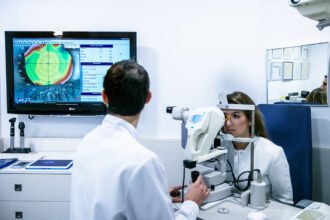
1. Eye Pressure Test (Tonometry)
A device measures the pressure inside your eye. It is quick and painless.
2. Optic Nerve Examination
The doctor checks the health of your optic nerve using special lenses or imaging machines.
3. Visual Field Test
This test checks your side (peripheral) vision to see if any vision is lost.
4. Eye Imaging Scans
Advanced machines take detailed pictures of the eye to track changes over time.
5. Treatment Plan
Based on the results, the doctor creates a personalized treatment plan.
Treatment Options for Glaucoma
Although glaucoma cannot be fully cured, it can be controlled. The goal is to reduce eye pressure and prevent further damage.
1. Eye Drops
These are the most common treatment. They help reduce eye pressure by improving fluid drainage or reducing fluid production.
2. Laser Treatment
Laser therapy helps improve fluid flow in the eye. It is a simple procedure and does not require surgery in most cases.
3. Surgery
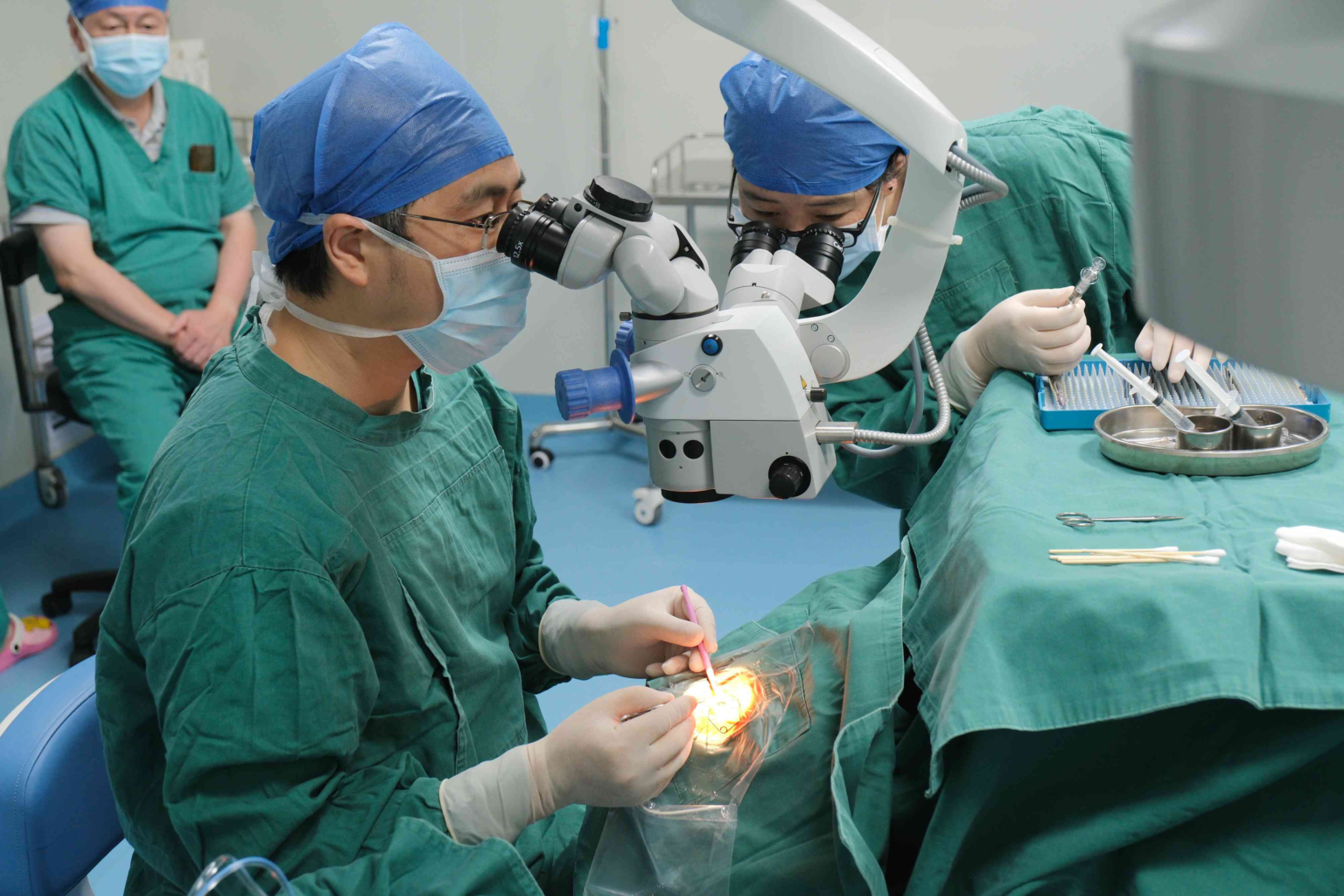
In advanced cases, surgery may be needed to create a new drainage path for eye fluid.
4. Medications
Sometimes oral medicines are used along with eye drops to control pressure.
Regular follow-ups at a glaucoma treatment and eye pressure clinic are very important to monitor progress.
Lifestyle Tips for Healthy Eyes
Along with medical treatment, lifestyle changes can help protect your vision:
- Eat a healthy diet rich in green vegetables
- Exercise regularly
- Avoid smoking
- Limit caffeine intake
- Protect eyes from injury
- Get regular eye checkups
These simple habits can support your treatment and improve eye health.
Who Should Visit a Glaucoma Clinic?
Some people are at higher risk of developing glaucoma:
- People over 40 years old
- Family history of glaucoma
- Diabetics
- People with high blood pressure
- Individuals with severe nearsightedness
- Long-term steroid users
If you fall into any of these categories, regular visits to a glaucoma treatment and eye pressure clinic are strongly recommended.
Why Early Detection Matters
Glaucoma is often called the “silent thief of sight” because it slowly steals vision without warning. Once vision is lost, it cannot be recovered.
Early detection allows doctors to:
- Stop disease progression
- Protect remaining vision
- Improve quality of life
- Avoid surgery in many cases
This is why routine eye exams are essential even if you feel your vision is normal.
Conclusion
A glaucoma treatment and eye pressure clinic plays a vital role in protecting your eyesight. Glaucoma is a serious but manageable condition if detected early. Regular eye pressure checks, advanced diagnosis, and proper treatment can prevent permanent vision loss.
Your eyes are one of your most important senses, and taking care of them should always be a priority. Do not wait for symptoms to appear. A simple checkup today can save your vision for the future.
Frequently Asked Questions (FAQs)
1. What is the main cause of glaucoma?
The main cause is increased eye pressure that damages the optic nerve over time.
2. Can glaucoma be cured permanently?
No, glaucoma cannot be fully cured, but it can be controlled with treatment.
3. How often should I check my eye pressure?
People over 40 or at risk should check their eyes at least once a year.
4. Is glaucoma treatment painful?
No, most tests and treatments are painless, including eye drops and laser procedures.
5. What happens if glaucoma is not treated?
If untreated, glaucoma can lead to permanent vision loss and blindness.