
Laser skin resurfacing dermatology services have become one of the most trusted and effective modern treatments for improving skin appearance. People today are more aware of skincare than ever before, and they want solutions that go beyond creams and home remedies. This is where laser technology in dermatology plays an important role. It helps treat wrinkles, scars, pigmentation, sun damage, and many other skin concerns with precision and safety.
- What is Laser Skin Resurfacing?
- How Does Laser Skin Resurfacing Work?
- Types of Laser Skin Resurfacing
- Conditions Treated by Laser Skin Resurfacing
- Benefits of Laser Skin Resurfacing Dermatology Services
- 1. Improves Skin Texture
- 2. Reduces Signs of Aging
- 3. Treats Acne Scars
- 4. Boosts Collagen Production
- 5. Long-Lasting Results
- 6. Minimal Invasive Procedure
- What Happens During the Procedure?
- Recovery After Laser Skin Resurfacing
- Who is a Good Candidate?
- Possible Side Effects
- How to Choose the Right Dermatology Service
- Conclusion
- Frequently Asked Questions (FAQs)
In this article, we will explore what laser skin resurfacing is, how it works, its benefits, types, procedure steps, recovery process, and what you should expect before and after treatment. Everything is explained in simple and easy language so anyone can understand.
What is Laser Skin Resurfacing?
Laser skin resurfacing is a dermatology procedure that uses focused beams of light to improve skin texture and tone. It removes damaged outer layers of skin and stimulates the body’s natural healing process. As new skin forms, it becomes smoother, healthier, and more youthful in appearance.
When performed under professional laser skin resurfacing dermatology services, the treatment is customized based on skin type, condition, and goals. Dermatologists use advanced laser devices to target specific skin concerns without harming surrounding tissues.
How Does Laser Skin Resurfacing Work?
The skin naturally repairs itself when it gets injured. Laser treatment takes advantage of this healing process.
Here is a simple explanation:
- The laser sends controlled heat energy into the skin.
- This energy removes damaged skin cells from the surface.
- It also stimulates collagen production in deeper layers.
- Collagen is a protein that keeps skin firm and smooth.
- Over time, new skin grows, replacing the damaged layer.
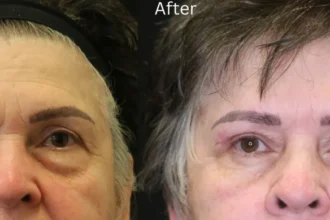
This process helps reduce fine lines, acne scars, wrinkles, and uneven skin tone. The results are gradual but long-lasting.
Types of Laser Skin Resurfacing
Dermatology clinics offer different types of laser skin resurfacing services depending on the patient’s needs.
1. Ablative Laser Resurfacing
This is a stronger type of treatment. It removes the top layer of skin completely and is used for deeper wrinkles, scars, and severe sun damage. Recovery time is longer, but results are more dramatic.
2. Non-Ablative Laser Resurfacing
This type does not remove skin layers. Instead, it heats the deeper skin tissue to stimulate collagen growth. It is gentler and has a shorter recovery time, but results appear gradually.
3. Fractional Laser Resurfacing
This is one of the most popular options in laser skin resurfacing dermatology services. It treats only a fraction of the skin at a time, leaving surrounding skin untouched for faster healing. It is effective for scars, wrinkles, and pigmentation.
Conditions Treated by Laser Skin Resurfacing
Laser dermatology services can treat a wide range of skin issues, including:
- Fine lines and wrinkles
- Acne scars and surgical scars
- Sun damage and dark spots
- Uneven skin tone
- Enlarged pores
- Age spots and pigmentation
- Rough or dull skin texture
Because it is highly customizable, dermatologists can adjust the laser strength based on the severity of the problem.
Benefits of Laser Skin Resurfacing Dermatology Services
There are many reasons why people choose this treatment. Some of the most important benefits include:
1. Improves Skin Texture
Laser resurfacing smooths rough skin and gives it a softer and more refined appearance.
2. Reduces Signs of Aging
It helps minimize wrinkles and fine lines, making the skin look younger.
3. Treats Acne Scars
Many people struggle with scars from past acne. Laser treatment can significantly reduce their appearance.
4. Boosts Collagen Production
Increased collagen leads to firmer, healthier skin over time.
5. Long-Lasting Results
Unlike temporary skincare products, laser results can last for years with proper care.
6. Minimal Invasive Procedure
There is no surgery involved, which makes it a safer option for many patients.
What Happens During the Procedure?
When you visit a clinic for laser skin resurfacing dermatology services, the process usually follows these steps:
Step 1: Consultation
The dermatologist examines your skin and discusses your goals. They decide which laser type is best for you.
Step 2: Preparation
Your skin is cleaned thoroughly. A numbing cream may be applied to reduce discomfort.
Step 3: Laser Treatment
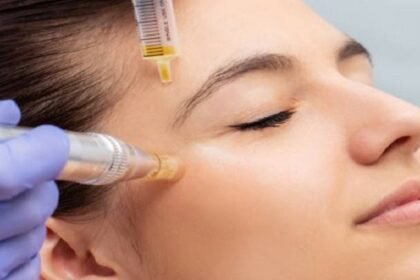
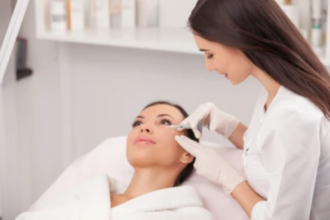
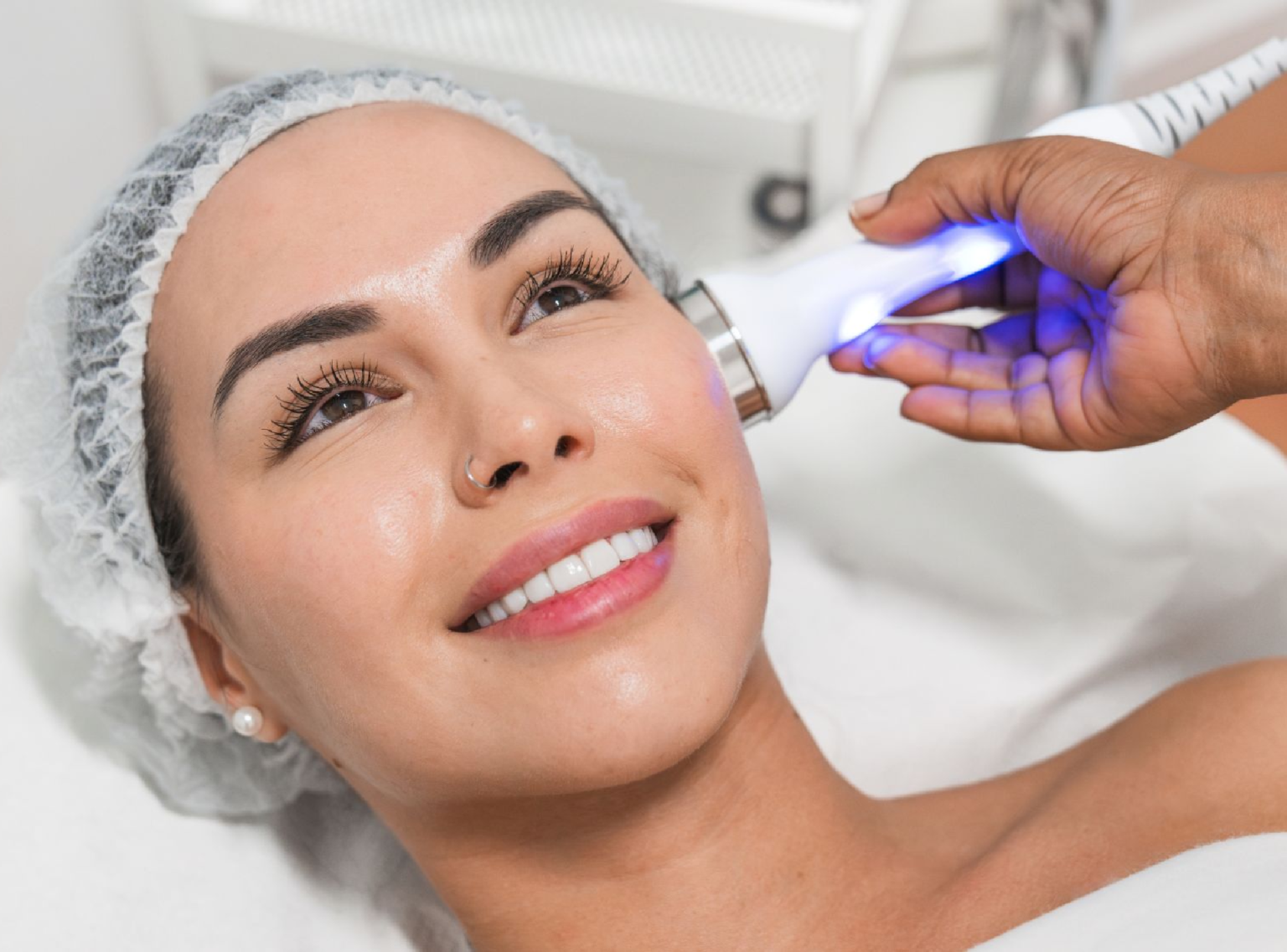
The dermatologist uses a laser device to treat targeted areas. You may feel warmth or a mild tingling sensation.
Step 4: Cooling and Protection
After the procedure, cooling gels or soothing creams are applied to protect the skin.
The session can last anywhere from 30 minutes to 2 hours depending on the treatment area.
Recovery After Laser Skin Resurfacing
Recovery time depends on the type of laser used.
- Mild treatments: 3–5 days
- Moderate treatments: 7–10 days
- Deep resurfacing: up to 2–3 weeks
During recovery, the skin may appear red, swollen, or slightly sensitive. This is normal and part of the healing process.
Aftercare Tips:
- Avoid sun exposure
- Use sunscreen daily
- Keep skin moisturized
- Avoid makeup for a few days
- Do not pick or scratch healing skin
Following these instructions helps achieve better results and prevents complications.
Who is a Good Candidate?
Laser skin resurfacing dermatology services are suitable for many people, but not everyone.
You may be a good candidate if you:
- Have wrinkles, scars, or pigmentation
- Want non-surgical skin improvement
- Have healthy skin without active infections
- Do not smoke heavily
- Have realistic expectations
However, people with certain skin conditions or very dark skin tones may need special evaluation before treatment.
Possible Side Effects
Like any medical procedure, laser resurfacing may have temporary side effects:
- Redness
- Swelling
- Mild itching
- Skin sensitivity
- Temporary discoloration
These effects usually disappear within a few days or weeks.
Serious complications are rare when the procedure is done by a qualified dermatologist.
How to Choose the Right Dermatology Service
Choosing the right clinic for laser skin resurfacing dermatology services is very important for safety and results.
Look for:
- Certified dermatologists
- Modern laser equipment
- Good patient reviews
- Clean and professional environment
- Proper consultation before treatment
Never choose a clinic only based on low price. Experience and safety matter more.
Conclusion
Laser skin resurfacing dermatology services offer an advanced and effective solution for people who want healthier, smoother, and younger-looking skin. Whether you are dealing with acne scars, wrinkles, or sun damage, this treatment can significantly improve your skin quality when done correctly.
It is a safe, scientifically proven method that works by stimulating the body’s natural healing process. With proper care, the results can be long-lasting and very satisfying.
If you are considering improving your skin appearance, consulting a qualified dermatologist is the first step toward achieving your skincare goals.
Frequently Asked Questions (FAQs)
1. Is laser skin resurfacing painful?
Most people feel only mild discomfort during the procedure. Dermatologists usually apply numbing cream to reduce pain.
2. How many sessions are needed?
It depends on the skin condition. Some people see results after one session, while others may need multiple treatments.
3. Are the results permanent?
Results can last for years, but aging continues. Proper skincare and sun protection help maintain results longer.
4. Can all skin types undergo laser resurfacing?
Not always. Some darker skin tones may require special laser settings to avoid pigmentation issues. A dermatologist will decide the safest option.
5. How soon will I see results?
Initial improvement can be seen within a week, but full results usually develop over several weeks as collagen production increases.