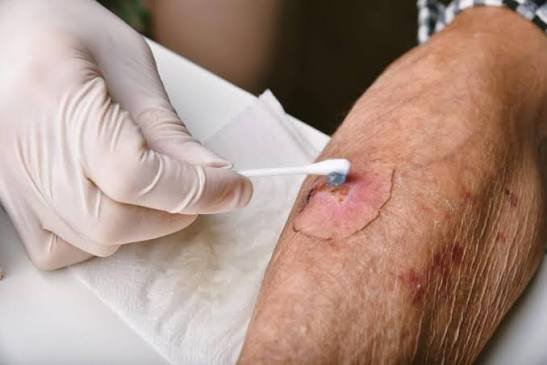

Wounds range from minor scrapes to deep ulcers that resist healing, and some require advanced techniques. A wound care specialist treats these injuries, and they use methods matched to each patient. Since some wounds signal deeper health issues, timely care matters. Here is more information on how to choose the right wound care specialist:
Identify Type of Wound
Different wounds call for different expertise. Some specialists focus on diabetic foot ulcers, while others treat surgical wounds or pressure sores. Knowing your wound type helps you narrow your search early. Since chronic wounds behave differently than acute ones, the match affects your treatment plan.
You might describe your wound to a podiatrist first. They assess it, and they refer you to a specialist when needed. If your wound has lasted more than four weeks, ask about chronic wound care.
Evaluate Range of Treatments
Review the treatments a clinic offers before you book. A broad service list typically indicates wider experience. Since no single method suits every wound, options give you flexibility. You want a provider who adjusts care as your wound changes.
Standard wound treatments include:
- Debridement to remove damaged tissue
- Compression therapy for swelling
- Dressings and wraps
- Infection management with antibiotics
Look for Advanced Care
Some wounds need more than standard dressings. Advanced care addresses cases that resist basic treatment. Since certain wounds involve poor circulation, specialists may use oxygen-based therapy. You benefit when a foot and ankle clinic offers these tools at one location. Advanced wound care may include:
- Platelet-rich plasma injections
- Vacuum-assisted wound closures
- Restorative cell treatments
- Advanced skin substitutes
Ask whether the clinic has the equipment for these methods. Availability varies by location, and travel time affects your schedule. A nearby facility with advanced options reduces repeat trips. Timely access to these advanced treatments may significantly accelerate healing and improve overall outcomes.
Ask how the foot and ankle clinic decides between these methods. They should explain their reasoning, and they should answer your questions directly. When needed, a clear explanation helps you follow the plan at home.
Seek Regenerative Options
Regenerative treatments aim to rebuild damaged tissue. Some clinics use growth factors or cellular therapies for slow-healing wounds. Since these methods are newer, not every provider offers them. You might ask directly whether a clinic provides regenerative care.
Confirm that a licensed specialist oversees any regenerative procedure. They review your history and they explain what the therapy involves. Ask about the evidence behind each option before you agree.
Insurance coverage rates differ across regenerative treatments. Some plans cover specific procedures, while others exclude them. Since insurance varies by clinic, request a written estimate. A clear breakdown of services helps you plan your treatment.
Find Wound Care Services Today
Choosing a wound care specialist starts with your injury type, and from there, you review treatment ranges, advanced tools, and regenerative options. Since location and cost shape your decision, gather details before you commit. Contact a local wound care clinic to schedule an evaluation, ask about their treatments, and confirm which options fit your situation. Take the first step and find a clear treatment plan today.