
Digestive health plays a major role in how we feel every day. When the stomach and intestines are not working properly, it can affect energy levels, mood, sleep, and even mental health. One of the most common digestive problems people face today is IBS, or Irritable Bowel Syndrome. Because of its long-term and sometimes confusing symptoms, many people search for specialized help at an IBS and digestive disorder treatment clinic.
This article explains what IBS is, what causes digestive disorders, how treatment clinics help, and what you can expect from modern care. The language here is kept simple so that everyone can understand it easily.
What is IBS (Irritable Bowel Syndrome)?
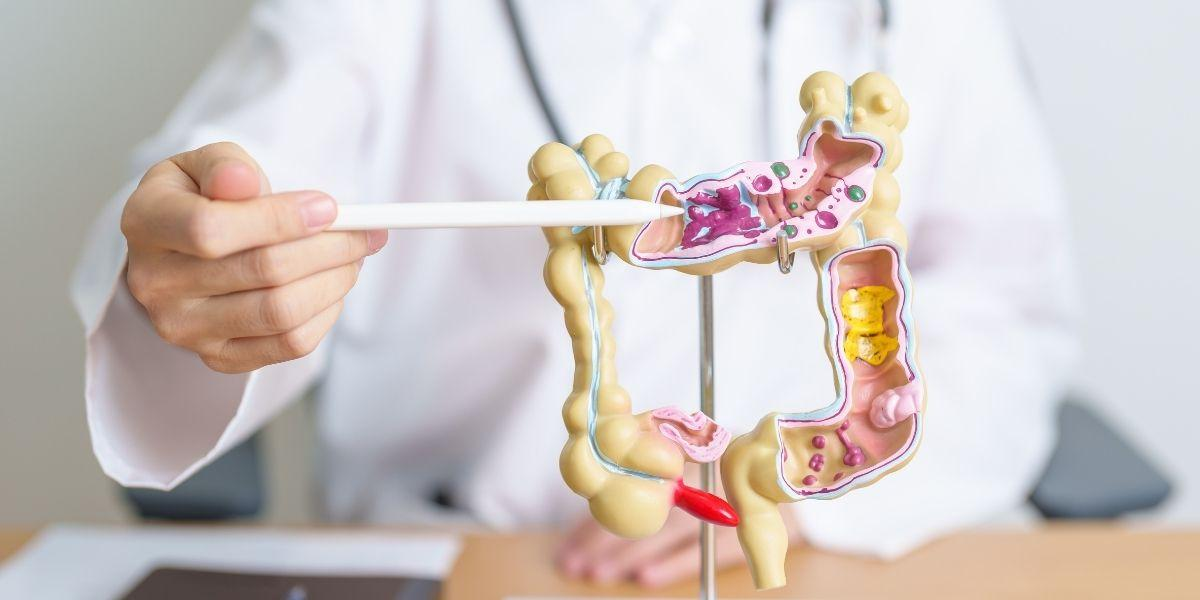
IBS is a long-term digestive condition that affects the large intestine (colon). It does not damage the intestines permanently, but it can cause uncomfortable and repeated symptoms.
Common symptoms of IBS include:
Stomach pain or cramps
Bloating (feeling of gas or fullness)
Diarrhea (frequent loose stools)
Constipation (difficulty passing stools)
Alternating diarrhea and constipation
Mucus in stool
IBS is not life-threatening, but it can seriously affect daily life. Many people with IBS feel embarrassed, stressed, or worried because symptoms can come suddenly.
What Are Digestive Disorders?
Digestive disorders are conditions that affect any part of the digestive system, including the stomach, intestines, liver, and colon. IBS is just one type. Others include acid reflux, ulcers, food intolerance, celiac disease, and inflammatory bowel diseases.
Some common signs of digestive disorders are:
Frequent stomach pain
Poor digestion after eating
Gas and bloating
Nausea or vomiting
Irregular bowel movements
Loss of appetite
Because digestive problems can have many causes, it is important to get proper medical evaluation instead of guessing the problem.
Why IBS and Digestive Disorders Happen
Doctors still do not know the exact cause of IBS, but several factors are linked to it:
- Gut-Brain Connection
The brain and gut are closely connected. Stress, anxiety, and emotional pressure can affect how the intestines work.
- Food Sensitivity
Some foods like dairy, spicy meals, fatty foods, caffeine, or processed foods can trigger symptoms.
- Gut Bacteria Imbalance
The digestive system contains healthy bacteria. When this balance is disturbed, it can cause bloating, gas, and irregular bowel movements.
- Infection or Illness
Some people develop IBS after a stomach infection or food poisoning.
- Hormonal Changes
Hormones can also affect digestion, which is why IBS is more common in women.
What is an IBS and Digestive Disorder Treatment Clinic?
An IBS and digestive disorder treatment clinic is a medical center that focuses on diagnosing and treating problems related to the digestive system. These clinics usually have specialists such as gastroenterologists, dietitians, and nutrition experts who work together to help patients.
Unlike general clinics, these centers focus only on gut health, which allows for more accurate diagnosis and personalized treatment.
How These Clinics Help Patients
- Detailed Diagnosis
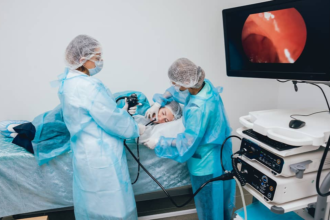
The first step is understanding the exact cause of the symptoms. Doctors may ask questions about diet, lifestyle, stress levels, and medical history. Tests like blood tests, stool tests, ultrasound, or colonoscopy may be recommended if needed.
- Personalized Treatment Plans
Every patient is different. A treatment plan may include medications, diet changes, stress management, or probiotics depending on the condition.
- Diet and Nutrition Guidance
Food plays a huge role in digestive health. Clinics often provide diet plans such as:
Low FODMAP diet for IBS patients
High-fiber diet for constipation
Avoiding trigger foods
Balanced meal planning
- Medication Support
Doctors may prescribe medicines to control symptoms like pain, diarrhea, constipation, or inflammation.
- Mental Health Support
Since stress and anxiety can worsen IBS, some clinics also offer counseling or relaxation therapy.
- Long-Term Management
IBS is not always fully curable, but it can be controlled. Clinics help patients learn how to manage symptoms for long-term comfort.
Importance of Early Treatment
Many people ignore digestive symptoms thinking they are normal. However, early treatment is very important because:
It prevents symptoms from getting worse
It improves quality of life
It reduces stress and anxiety
It helps identify serious conditions early
It improves digestion and energy levels
Visiting a clinic early can save years of discomfort.
Lifestyle Changes Recommended by Clinics
Along with medical treatment, lifestyle changes are very important for managing IBS and digestive disorders.
Healthy Eating Habits
Eat small, frequent meals
Avoid overeating
Chew food slowly
Drink enough water
Regular Exercise
Walking, yoga, or light exercise helps improve digestion and reduce stress.
Stress Control
Stress is a major trigger. Activities like meditation, breathing exercises, and hobbies can help.
Sleep Routine
Poor sleep can worsen digestive symptoms. A regular sleep schedule is important.
Avoid Trigger Foods
Each person has different triggers. Keeping a food diary can help identify them.
Modern Treatments Used in Clinics
Today’s digestive disorder clinics use advanced approaches such as:
Gut microbiome testing
Advanced imaging techniques
Customized nutrition therapy
Probiotic and prebiotic treatment
Psychological therapy for gut-brain balance
Functional medicine approaches
These treatments focus not only on symptoms but also on root causes.
Living with IBS: What to Expect
Living with IBS can be challenging, but with proper care, most people lead normal, healthy lives. The key is understanding your body and working closely with healthcare professionals.
Patients often notice improvement within weeks or months of following treatment plans. However, consistency is very important.
When Should You Visit a Clinic?
You should visit an IBS and digestive disorder treatment clinic if you experience:
Frequent stomach pain or cramps
Long-term constipation or diarrhea
Sudden weight loss
Blood in stool
Severe bloating
Symptoms affecting daily life
Even if symptoms seem mild, it is better to get checked early.
Conclusion
An IBS and digestive disorder treatment clinic plays a vital role in helping people manage gut health problems effectively. IBS may not be dangerous, but it can deeply affect comfort, confidence, and lifestyle. With proper diagnosis, personalized treatment, diet changes, and stress management, most people can control their symptoms and live a healthy life.
The most important step is not ignoring the symptoms. Early consultation with a specialist can make a big difference in recovery and long-term well-being.
FAQs
- Can IBS be completely cured?
IBS usually cannot be fully cured, but it can be effectively managed with diet, lifestyle changes, and medication.
- What foods should IBS patients avoid?
Common triggers include spicy foods, dairy products, caffeine, fatty foods, and processed snacks.
- Is IBS a serious disease?
IBS is not life-threatening, but it can be chronic and affect daily comfort if not managed properly.
- Do I need tests to diagnose IBS?
Yes, doctors may recommend tests to rule out other conditions before confirming IBS.
- Can stress really affect digestion?
Yes, stress has a strong impact on the gut and can worsen IBS symptoms significantly.