
Modern medicine has changed the way doctors find and treat diseases inside the human body. One of the most important advancements is the use of diagnostic procedures like endoscopy and colonoscopy. These tests help doctors see inside your digestive system without the need for major surgery. An endoscopy and colonoscopy diagnostic center is a medical facility where these tests are safely performed, diagnosed, and reported.
In this article, we will understand what these centers do, why they are important, how the procedures work, and what patients can expect—all in simple and easy language.
What is an Endoscopy and Colonoscopy Diagnostic Center?
An endoscopy and colonoscopy diagnostic center is a specialized clinic or hospital unit where doctors examine the internal organs, especially the digestive tract, using advanced equipment called endoscopes.
These centers usually focus on:
Diagnosing stomach and intestinal problems
Finding the cause of abdominal pain
Detecting ulcers, infections, or bleeding
Screening for serious diseases like cancer
Performing minor treatments without surgery
The center is usually equipped with modern machines, trained doctors (usually gastroenterologists), nurses, and support staff who ensure safe and accurate diagnosis.
What is Endoscopy?
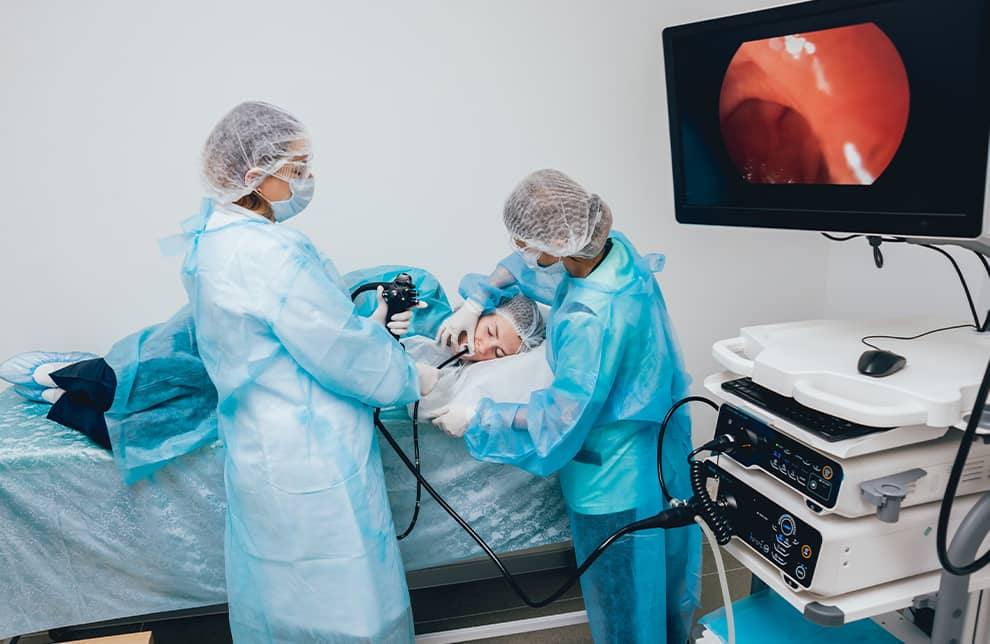
Endoscopy is a procedure where a thin, flexible tube with a camera (called an endoscope) is inserted into the body through the mouth or other openings.
It helps doctors look at:
Esophagus (food pipe)
Stomach
Small intestine (upper part)
Why is Endoscopy Done?
Doctors recommend endoscopy when a patient has symptoms like:
Constant stomach pain
Difficulty swallowing
Vomiting or nausea
Unexplained weight loss
Internal bleeding signs
With endoscopy, doctors can directly see the problem instead of guessing from symptoms alone.
What is Colonoscopy?
Colonoscopy is a similar procedure but focuses on the lower part of the digestive system.
A flexible tube with a camera is inserted through the rectum to examine:
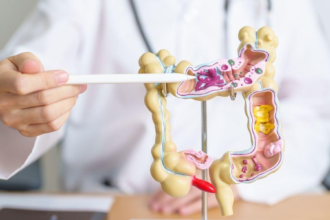
Large intestine (colon)
Rectum
Sometimes the end part of the small intestine
Why is Colonoscopy Done?
Doctors suggest colonoscopy for:
Persistent diarrhea or constipation
Blood in stool
Abdominal cramps
Screening for colon cancer
Detecting polyps or growths
Colonoscopy is very important for early detection of colon cancer, which can save lives if treated early.
Importance of Endoscopy and Colonoscopy Diagnostic Centers
These centers play a very important role in modern healthcare. Here’s why they matter:
- Early Disease Detection
Many serious diseases like cancer can be treated successfully if found early. These tests help in early diagnosis.
- Accurate Diagnosis
Instead of guessing, doctors can directly see inside the body and identify the exact problem.
- Minimally Invasive
Unlike surgery, these procedures do not require large cuts. They are safer and faster.
- Quick Recovery
Most patients can go home the same day after the procedure.
- Advanced Treatment Options
Some small issues like polyps or bleeding can be treated during the procedure itself.
How the Procedure Works
Many people feel nervous before these tests, but understanding the process can help reduce fear.
Before the Procedure
You may be asked to avoid eating for several hours
For colonoscopy, bowel cleaning medicines are given
Doctors explain the procedure and take consent
During the Procedure
You may be given mild sedation to relax
The doctor gently inserts the endoscope or colonoscope
A camera sends images to a screen
The doctor examines the digestive tract carefully
After the Procedure
You rest until the sedation wears off
Mild bloating or discomfort may occur
Most people go home the same day
Results are shared after analysis
Safety of These Procedures
Endoscopy and colonoscopy are generally very safe when done in a professional diagnostic center. Complications are rare, especially when performed by trained specialists.
Possible but rare risks include:
Mild bleeding
Temporary discomfort
Reaction to sedation
However, the benefits are far greater than the risks, especially for early disease detection.
Who Should Visit an Endoscopy and Colonoscopy Diagnostic Center?
Not everyone needs these tests, but doctors may recommend them if you have:
Long-term stomach issues
Family history of colon cancer
Unexplained anemia (low blood count)
Digestive bleeding
Chronic digestive discomfort
People above 45–50 years old are often advised colonoscopy as a routine screening test.
Technology Used in Modern Diagnostic Centers
Today’s diagnostic centers use advanced technology to ensure accuracy and safety:
High-definition cameras
Flexible and thin scopes
Digital imaging systems
Sedation monitoring equipment
Sterilization units for hygiene
These technologies make the procedure more comfortable and precise than ever before.
Benefits of Choosing a Good Diagnostic Center
Choosing the right center is very important for your health. A good endoscopy and colonoscopy diagnostic center provides:
Experienced gastroenterologists
Clean and hygienic environment
Modern medical equipment
Proper patient care and guidance
Fast and accurate reporting
A reliable center ensures both safety and peace of mind.
Patient Experience: What to Expect Emotionally
Many patients feel scared before these procedures, but in reality, they are not as painful as people think. Most patients report:
Mild discomfort only
Quick procedure time (15–30 minutes)
No long hospital stay
Relief after getting answers
Knowing what is happening helps reduce anxiety.
Aftercare Tips
After the procedure, doctors may recommend:
Rest for a few hours
Avoid driving after sedation
Light meals for the day
Drinking plenty of water
Following medication instructions
Following these simple tips helps in quick recovery.
Future of Endoscopy and Colonoscopy Centers
Medical science is improving rapidly. In the future, these diagnostic centers will become even more advanced with:
AI-based detection of diseases
Smaller and more comfortable instruments
Faster results
Better pain-free techniques
This means patients will get faster, safer, and more accurate diagnosis.
Conclusion
An endoscopy and colonoscopy diagnostic center is a vital part of modern healthcare. It helps doctors look inside the digestive system to find diseases early, treat problems effectively, and save lives. These procedures may sound complicated, but they are simple, safe, and extremely useful.
If you experience ongoing stomach problems or your doctor recommends these tests, visiting a trusted diagnostic center can give you clear answers and peace of mind. Early diagnosis is always the best step toward better health.
FAQs
- Is endoscopy painful?
No, endoscopy is usually not painful. Patients may feel slight discomfort, but sedation helps make the process easy and smooth.
- How long does a colonoscopy take?
A colonoscopy usually takes about 20 to 40 minutes, depending on the condition being checked.
- Do I need to stay in the hospital after the procedure?
Most patients go home the same day unless the doctor advises observation for special cases.
- What diseases can be detected through these tests?
These tests can detect ulcers, infections, inflammation, polyps, bleeding, and even early signs of cancer.
- How often should I get a colonoscopy?
For most people, it is recommended every 5 to 10 years after the age of 45, but it depends on personal health conditions and doctor advice.