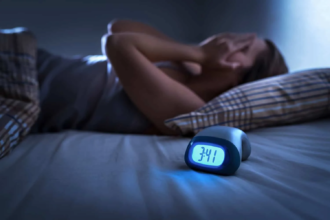


Allergies can interfere with sleep by causing nasal congestion, coughing, sneezing, itching, and breathing difficulties. These symptoms often make it harder to fall asleep, remain asleep, and feel well-rested the next day. Here is more information on how allergies affect sleep quality and what you can do to manage them:
Disrupting Nighttime Breathing
Allergies often target the nose and airways, making breathing harder when you lie down. A stuffy or runny nose forces some people to breathe through the mouth; this may dry the throat and trigger frequent changes in position. When airflow narrows, you may wake up more often, even if you do not fully remember it.
Nasal congestion tends to intensify at night, and gravity plays a role when you rest flat. Mucus pools in the back of the throat, so coughing and throat clearing may interrupt the quiet you need. Children may become restless, and adults often snore more, signaling that breathing is not as smooth as it should be.
Interrupting Restorative Sleep
Deep sleep repairs the body, but allergy symptoms can pull you out of these valuable sleep stages. Itchy eyes, sneezing, and postnasal drip create small awakenings that add up across the night. Interrupted sleep affects mood, focus, and energy. A tired teenager may struggle at school, and a fatigued adult often finds work more taxing. Young children who sleep poorly may also become fussy during the day.
Reducing Bedroom Allergen Exposure
Your bedroom can build up allergens over time, leading to frequent allergies. A cleaner sleep space supports easier breathing, so some families start their improvements here. The following steps can help you reduce allergens in your bedroom:
- Wash bedding weekly: Hot washes remove dust mites and pollen that settle into sheets and pillowcases.
- Use allergen-proof covers: Zippered mattress and pillow covers create a barrier that limits dust mite buildup.
- Keep pets out of the bedroom: Pet dander clings to fabric, so a pet-free sleep zone reduces what you breathe overnight.
- Run an air purifier: A purifier with a quality filter captures airborne particles and keeps the air cleaner while you rest.
- Vacuum and dust often: Regular cleaning clears surfaces and floors where allergens tend to gather.
Managing Symptoms
A regular evening routine can calm symptoms of allergies before you settle in for the night. Habits performed in the right order often make the difference between restless tossing and quiet rest. The following approaches offer a practical starting point, and you can combine them as needed.
Rinse and Refresh
A saline nasal rinse clears trapped particles, and it eases congestion before you lie down. A quick shower washes pollen from your hair and skin, so you carry fewer allergens into bed. These steps can noticeably lighten your nighttime load.
Time Your Routine
Following a consistent schedule helps your body prepare for sleep. Take any prescribed measures as directed by your provider, and finish cleaning tasks well before bedtime so dust has time to settle. A predictable wind-down signals rest, and this supports smooth breathing through the night.
Get Professional Care for Allergies
Allergies can quietly disrupt breathing, interrupt your sleep, and leave you tired during the day. You can reduce bedroom allergens, refresh before bed, and follow a routine. Lasting relief usually begins with an accurate diagnosis and a plan built around your needs. Contact a qualified allergist near you to schedule your appointment and get professional care for your allergies today.