
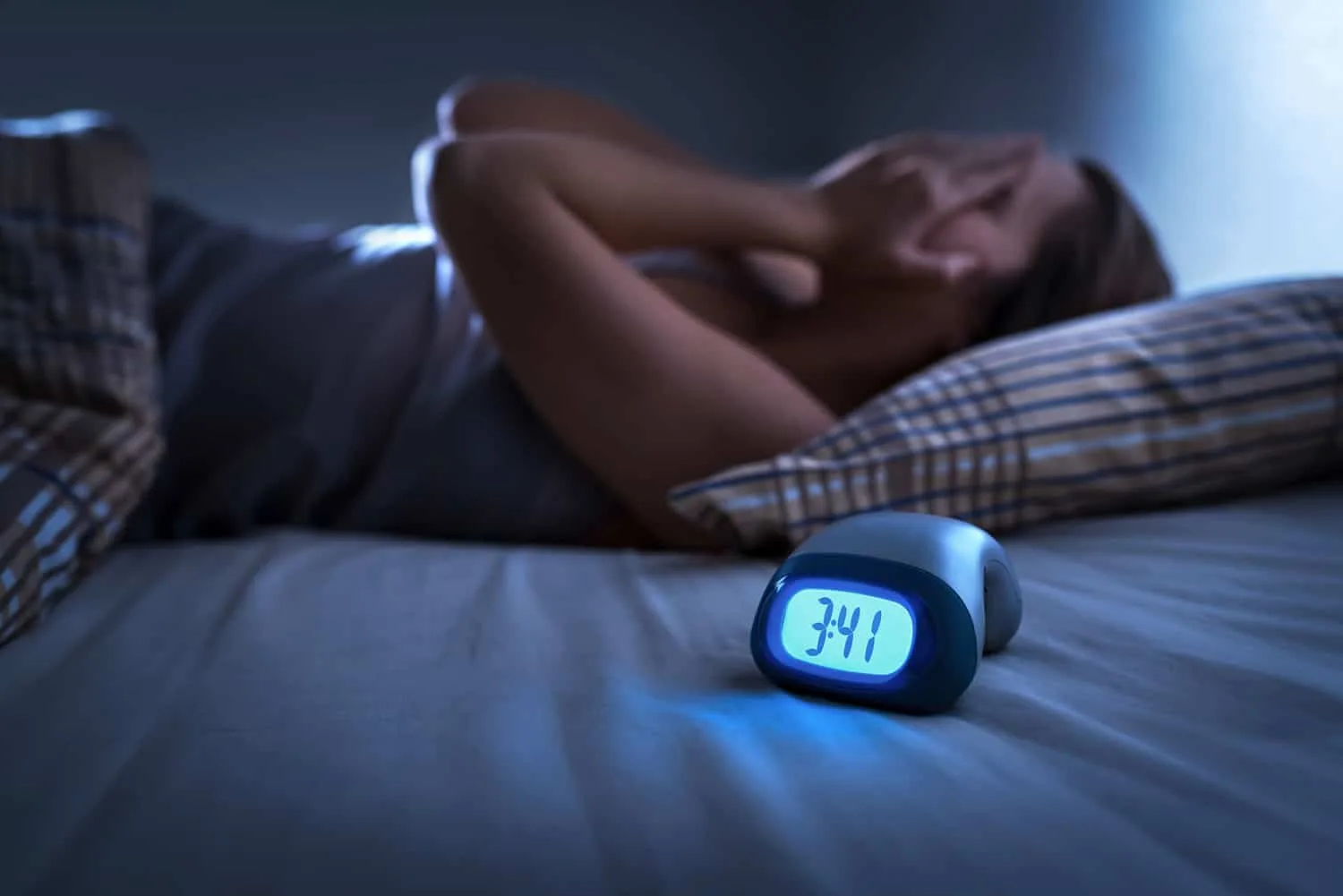

Sleep problems have become one of the most common health challenges in today’s digital world. Many people struggle to fall asleep, stay asleep, or wake up feeling refreshed. Stress, screen time, irregular routines, and unhealthy habits often make sleep worse without us even realizing it.
- What is a Digital Sleep Improvement Coaching Program?
- Why Sleep Problems Are Increasing Today
- 1. Overuse of digital devices
- 2. Stress and anxiety
- 3. Irregular schedules
- 4. Poor lifestyle habits
- 5. Lack of sleep education
- How Does a Digital Sleep Improvement Coaching Program Work?
- Step 1: Sleep Assessment
- Step 2: Personalized Sleep Profile
- Step 3: Customized Sleep Plan
- Step 4: Coaching and Support
- Step 5: Tracking Progress
- Benefits of a Digital Sleep Improvement Coaching Program
- 1. Personalized approach
- 2. No dependency on medication
- 3. Easy access
- 4. Long-term improvement
- 5. Better mental health
- Techniques Used in Sleep Coaching Programs
- Cognitive Behavioral Therapy for Insomnia (CBT-I)
- Mindfulness and meditation
- Sleep hygiene education
- Breathing exercises
- Light and screen control
- Who Can Benefit From This Program?
- Challenges You May Face
- Future of Sleep Coaching
- Conclusion
- FAQs
This is where a digital sleep improvement coaching program comes in. It is a modern, structured, and personalized way to help people fix their sleep using online tools, expert guidance, and habit-building strategies. Instead of relying only on sleeping pills or guessing what might work, this program focuses on understanding your sleep pattern and improving it step by step.
In this article, we will explore what this program is, how it works, why it matters, and how it can help you build long-lasting healthy sleep habits.
What is a Digital Sleep Improvement Coaching Program?
A digital sleep improvement coaching program is an online system designed to help individuals improve their sleep quality through guided coaching, tracking tools, and personalized strategies.
It usually includes:
- Sleep assessments and questionnaires
- Digital sleep tracking (apps or wearable devices)
- One-on-one or group coaching sessions online
- Personalized sleep plans
- Behavioral and lifestyle changes
- Relaxation and stress management techniques
Unlike general advice on the internet, this program is customized based on your specific sleep issues.
For example, someone who cannot fall asleep quickly will get a different plan than someone who wakes up frequently at night.
Why Sleep Problems Are Increasing Today
Before understanding the program deeply, it is important to know why sleep issues are so common now.
1. Overuse of digital devices
Phones, laptops, and TVs emit blue light that affects the brain’s melatonin production, making it harder to feel sleepy.
2. Stress and anxiety
Work pressure, financial concerns, and personal stress often keep the mind active at night.
3. Irregular schedules
Sleeping and waking at different times every day confuses the body’s internal clock.
4. Poor lifestyle habits
Caffeine, late-night eating, and lack of exercise can all disturb sleep quality.
5. Lack of sleep education
Many people simply do not know what healthy sleep habits look like.
A digital sleep improvement coaching program is designed to solve exactly these problems.
How Does a Digital Sleep Improvement Coaching Program Work?
The program usually follows a step-by-step structure. It is not a quick fix but a gradual improvement process.
Step 1: Sleep Assessment
You begin by answering questions about your sleep habits. This may include:
- How long it takes you to fall asleep
- How many times you wake up
- Your daily routine
- Stress levels
- Diet and exercise habits
Some programs also use sleep-tracking apps or smart devices to collect data.
Step 2: Personalized Sleep Profile
Based on your answers, the system or coach creates your sleep profile. This helps identify the main cause of your sleep problem, such as insomnia, anxiety-related sleep disturbance, or poor sleep hygiene.
Step 3: Customized Sleep Plan
You receive a structured plan designed just for you. This may include:
- Fixed sleep and wake times
- Night routine suggestions
- Screen-time reduction methods
- Breathing exercises
- Relaxation techniques
- Diet adjustments
The goal is to slowly train your body and mind to sleep better naturally.
Step 4: Coaching and Support
Many programs include weekly or daily coaching sessions through video calls, chat, or apps. The coach helps you stay consistent, adjust your plan, and solve difficulties.
This support is very important because changing sleep habits is not always easy.
Step 5: Tracking Progress
You continuously track your sleep improvements. Over time, you may notice:
- Falling asleep faster
- Fewer night awakenings
- Better energy in the morning
- Improved focus during the day
This feedback keeps you motivated.
Benefits of a Digital Sleep Improvement Coaching Program
This program offers many advantages compared to traditional sleep treatments.
1. Personalized approach
Everyone’s sleep problem is different, so a customized plan works better than general advice.
2. No dependency on medication
It focuses on natural methods instead of sleeping pills, which can sometimes cause dependency.
3. Easy access
Since it is digital, you can access it from your phone or computer anywhere in the world.
4. Long-term improvement
Instead of temporary fixes, it builds healthy sleep habits that last.
5. Better mental health
Good sleep improves mood, reduces anxiety, and boosts emotional balance.
Techniques Used in Sleep Coaching Programs
A digital sleep improvement coaching program uses several science-backed techniques:
Cognitive Behavioral Therapy for Insomnia (CBT-I)
This helps change negative thoughts and behaviors about sleep.
Mindfulness and meditation
These practices calm the mind and reduce stress before bedtime.
Sleep hygiene education
You learn how to create a sleep-friendly environment.
Breathing exercises
Simple breathing techniques help slow down the nervous system.
Light and screen control
You learn when to reduce screen exposure for better melatonin production.
Who Can Benefit From This Program?
This type of program is helpful for many people, including:
- People with insomnia
- Students with irregular sleep schedules
- Office workers with stress-related sleep problems
- Parents with disrupted sleep routines
- People who travel frequently
- Anyone who feels tired despite sleeping
Even if you do not have serious sleep issues, it can help improve sleep quality and daily energy levels.
Challenges You May Face
While effective, the program is not magic. Some challenges include:
- It requires consistency and discipline
- Results take time, not overnight
- You may need to change lifestyle habits
- Initial adjustment may feel uncomfortable
However, most people see improvement within a few weeks if they follow the plan properly.
Future of Sleep Coaching
With technology advancing, sleep coaching programs are becoming smarter. In the future, we may see:
- AI-powered sleep analysis
- Real-time sleep coaching via apps
- Smart beds that adjust comfort automatically
- More accurate wearable sleep trackers
This shows that sleep improvement is becoming a major part of digital health care.
Conclusion
A digital sleep improvement coaching program is a powerful and modern solution for people struggling with sleep problems. Instead of guessing what works, it uses data, coaching, and science-based methods to create a personalized sleep improvement journey.
It helps you understand your sleep habits, fix unhealthy routines, and build a better relationship with rest. Most importantly, it focuses on long-term improvement rather than temporary relief.
In a world where stress and technology often disturb our sleep, this kind of program can be a life-changing tool for better health, energy, and mental clarity.
FAQs
1. What is a digital sleep improvement coaching program?
It is an online program that helps people improve sleep using personalized coaching, tracking tools, and behavioral techniques.
2. Do I need special devices for this program?
Not always. Some programs use apps, while others may recommend wearable sleep trackers for better accuracy.
3. How long does it take to see results?
Most people notice improvements within 2 to 6 weeks depending on consistency and lifestyle changes.
4. Is it better than sleeping pills?
For long-term results, yes. It focuses on natural sleep improvement without dependency on medication.