
Missing teeth affect how you eat, speak, and smile every day. Dental implants are small titanium posts, and a dentist places them into your jawbone to act as tooth roots. Since they fuse with bone over time, they hold a crown, bridge, or full arch in a stable position. Many patients weigh implants against removable dentures before they pick a path.
Benefits of Removable Dentures
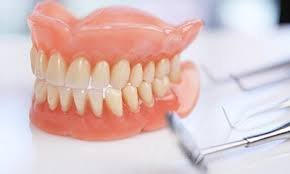
Removable dentures replace missing teeth with a custom set you take out at night. The process is straightforward, and most patients finish treatment within a few weeks. If your schedule is tight, dentures typically take less time than dental implants upfront.
Dentures suit a range of situations, so families may choose them first. Since they need no surgery, they work well when jawbone density is low. A few clear reasons draw patients toward this option:
- Avoided surgical procedures
- Faster timeline from start to finish
- Easier to remove for daily cleaning
Benefits of Dental Implants
Implants stay fixed in your mouth, and you clean them like natural teeth. A single implant replaces one tooth. Several posts support a full arch. Since the post fuses with bone, it helps keep the jaw structure intact.
You brush and floss implants the same way you care for real teeth. The stability comes from that bone connection, which forms during the healing period. They do not slip when you chew, so many people eat a wider range of foods. They also help preserve your jawbone over time, which is a key factor in maintaining your overall oral health.
Implants last many years with routine care, and they need no adhesive. Patients who choose implants may highlight several key benefits. Unlike dentures, implants stay fixed in place and don’t need to be removed each day. You clean them like natural teeth, keeping the routine simple and familiar. Whether you need to replace a single tooth or a full arch, implants can provide the right level of support.
Factors To Look At
Your current teeth shape many decisions, and each option carries different criteria. Since insurance plans vary, you may want to check your coverage before you commit. Implants involve a larger commitment.
Your jawbone health guides what your dentist recommends for you. Implants need enough bone to anchor each post, and a scan measures that density. If bone is thin, your dentist might suggest a graft or point you toward dentures.
Time and maintenance also play a role in your choice. Dentures finish faster, but they need nightly removal and periodic adjustments. Since implants heal over months, they take longer, yet daily care mirrors brushing natural teeth. Think through these points before your visit:
- Active insurance coverage
- Current jawbone density
- Complete treatment timeline you prefer
- Daily care routine you want
Get Dental Implants Near You
Both options restore missing teeth, and each fits different needs and budgets. A dentist reviews your mouth, takes scans, and explains what each path involves. As everyone’s situation differs, a personal exam gives you the clearest answer for your smile. A dental team can explain insurance, timelines, and care in plain language, so book your appointment today and choose the option that fits your life.