
Veneers and teeth whitening are cosmetic dental treatments. Veneers are thin shells that are bonded to the front surface of the teeth, and they address cosmetic concerns such as chips, gaps, and discoloration. Because they are custom-made to fit each patient, veneers offer a precise and durable solution for structural and aesthetic irregularities. Teeth whitening uses bleaching agents to lighten the natural color of the teeth. Here is more information on cosmetic dental treatments and how they can be combined:
What Are Veneers?
Veneers are thin shells bonded to the front surface of the teeth, and they are typically made from porcelain or composite resin. A dentist applies them to correct cosmetic concerns. These concerns include chips, gaps, discoloration, and irregular shape, which can affect both the function and appearance of a smile.
The placement process usually spans a couple of visits. During the first visit, the dentist removes a thin layer of enamel and takes an impression of the teeth, which is used to create custom veneers. At the second visit, the dentist bonds the veneers to the teeth, and once placed, they maintain their color permanently.
What Is Teeth Whitening?
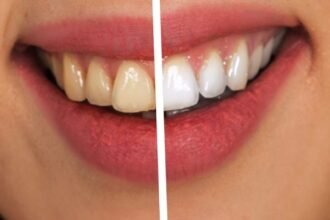
Teeth whitening is a cosmetic procedure that lightens the shade of natural teeth, and it uses a potent whitening gel. The treatment works by breaking down stains on the enamel. Coffee, tea, red wine, and tobacco commonly cause staining. Whitening can be performed in a dental office or at home with custom trays, and each option differs in speed and intensity. Since whitening agents act only on natural tooth structure, they do not alter the appearance of crowns or fillings.
How Can They Be Combined?
The two treatments can be combined, but the sequence matters. Whitening agents do not alter the color of veneers, so dentists recommend whitening natural teeth first. This step establishes the target shade before fabricating any dental devices.
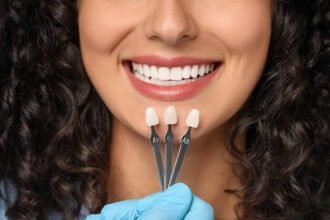
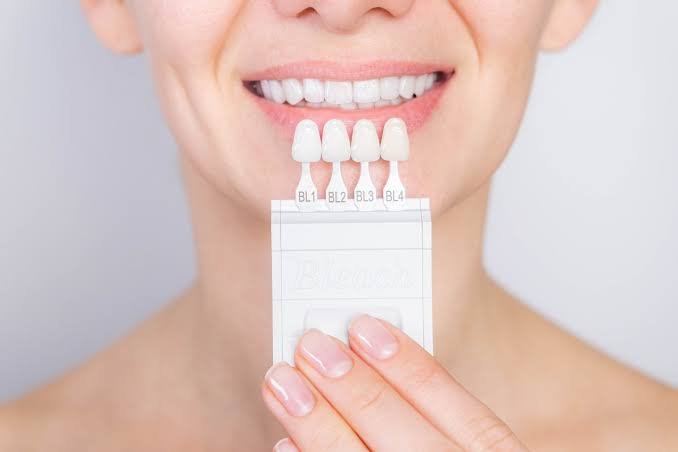
After whitening, teeth may need a couple of weeks to settle. Whitening can temporarily dehydrate enamel, which affects color readings. Once results are stable, the dentist matches the new veneers to the brightened natural teeth; the goal is a smile where veneers and natural teeth share a consistent tone.
Existing veneers present a different challenge. Whitening agents affect only natural tooth structure, so if veneers are already in place, only the surrounding natural teeth will respond to treatment. This can create a color mismatch, and in such cases, replacing the existing veneers to align with a whiter shade may be the more appropriate course of action.
What Are the Benefits?
Combining veneers and whitening offers several advantages for those seeking a complete cosmetic improvement.
- Comprehensive correction: Whitening lifts surface stains from natural teeth, while veneers address chips, gaps, and uneven shape.
- Uniform color: When natural teeth are whitened before veneers are matched, every tooth shares the same bright, even shade across the entire smile.
- Coordinated outcomes: A structured treatment plan makes sure that both procedures complement one another.
These benefits help patients achieve a balanced, natural-looking smile.
Improve Your Smile Now
Veneers and teeth whitening can work together with a clear plan; this plan includes whitening your natural teeth, waiting for the shade to stabilize, then matching your dental devices. This approach can give you a bright, even smile that looks natural and lasts. If you are looking to enhance your smile, book a consultation with your dental spa provider to discuss which combination suits your teeth and goals.