

A neck injury may seem minor at first. When the initial pain fades within a few days, patients may assume the problem has resolved itself and return to their normal routines. An injury left untreated can quietly worsen over months and years, and it sometimes leads to chronic pain, restricted movement, and complications that affect the entire body. Here is more information on what a neck injury is and how untreated damage develops into lasting problems:
What Is a Neck Injury?
A neck injury refers to damage affecting the cervical spine, which includes seven vertebrae, along with the surrounding muscles, ligaments, nerves, and discs. This region supports the head. Because it carries significant weight while remaining highly mobile, the neck is particularly vulnerable to strain and trauma, and injuries range from mild to severe. Injuries include mild soft-tissue strains, herniated discs, pinched nerves, and whiplash.
What Causes It?
Neck injuries develop from both sudden events and gradual wear. Common causes include:
- Sudden trauma, such as car accidents, sports collisions, or falls
- Repetitive stress, including poor posture, prolonged screen use, and sleeping in awkward positions
- Age-related changes, as spinal discs naturally lose flexibility and hydration over time
Understanding the underlying cause helps determine the most appropriate course of treatment.
What Are the Long-term Effects?
Untreated neck injuries sometimes extend beyond the initial site of damage. Chronic pain is a common long-term outcome, as inflamed tissues and irritated nerves continue to transmit pain signals after the acute phase. This discomfort may extend to the shoulders, upper back, and arms. Persistent pain is not an isolated symptom, and a healthcare provider guides long-term management.
Reduced mobility is another consequence, and it develops as scar tissue accumulates and muscles stiffen over time. This structural change limits cervical range of motion, which interferes with routine activities such as driving and working. Nerve compression may also occur, producing numbness, tingling, or weakness in the arms and hands. More advanced cases may present with chronic headaches, disrupted sleep, and difficulty concentrating.
How Can a Specialist Help?
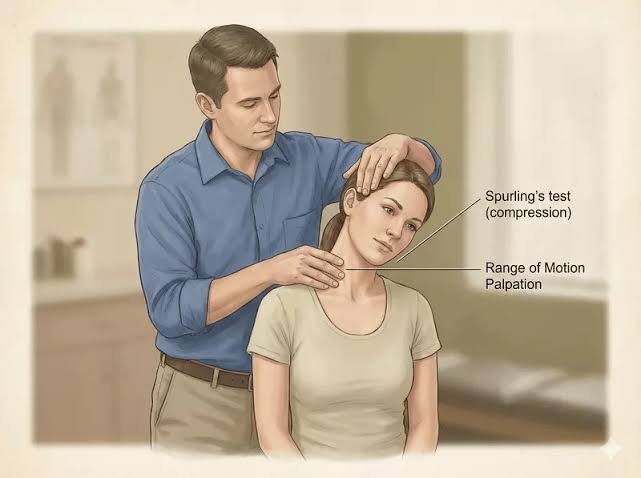
A specialist begins with a detailed evaluation of the patient’s symptoms and medical history. This assessment typically includes a physical examination alongside imaging tests such as X-rays or MRI scans, which reveal the extent of structural damage. An accurate diagnosis is key; a healthcare provider will build an effective treatment plan upon it.
Treatment options vary by injury type and severity, and a specialist will choose the approach suited to the condition. Conservative methods include physical therapy, targeted exercises, and posture correction. When symptoms persist despite initial treatment, a specialist may recommend anti-inflammatory medication, injections, or minimally invasive procedures. Surgery is reserved for cases where structural damage does not respond to other interventions.
A specialist also supports long-term injury management. Regular monitoring tracks progress and allows treatment adjustments as the condition evolves, which helps reduce the likelihood of recurrence. This ongoing care protects the surrounding structures of the spine, and it helps maintain the gains achieved during active treatment.
Seek Professional Care Now
An untreated neck injury does not disappear; what begins as mild discomfort can develop into chronic pain, limited movement, and lasting damage to the cervical spine. Recognizing the causes and long-term effects helps you act before the condition worsens. If you have neck pain or a recent injury, schedule an appointment with a specialist today. Prompt care protects your mobility and your quality of life.