
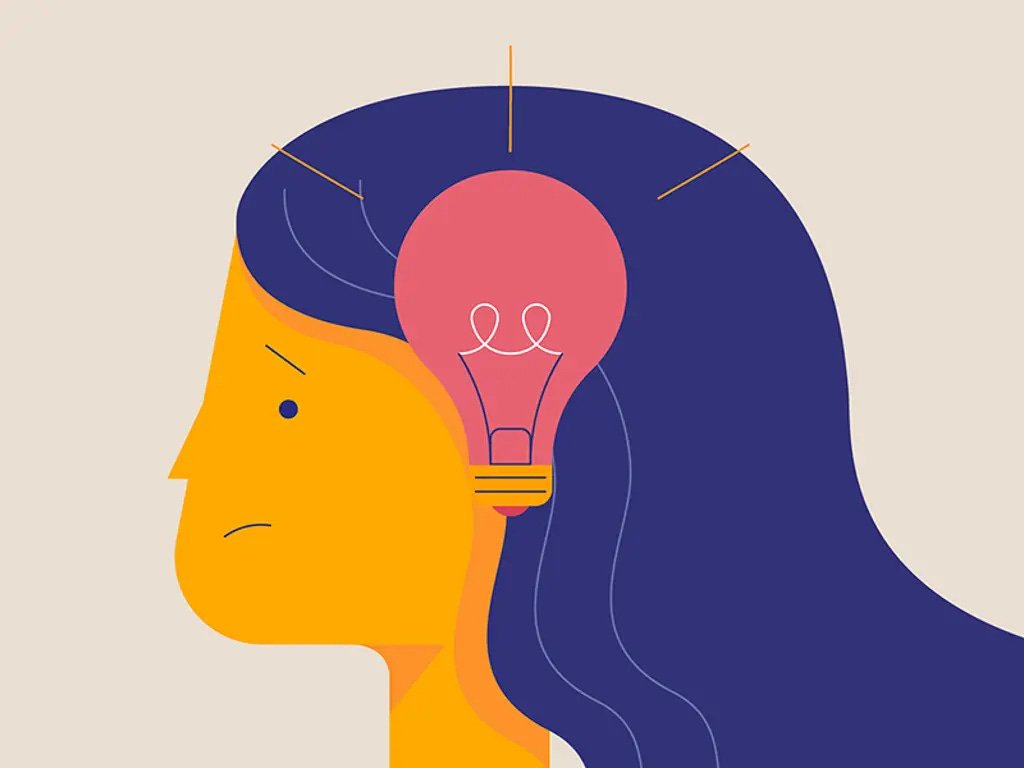

Anxiety is a common experience shared by people across all stages of life. A certain level of anxiety serves a practical purpose in some cases, and it can help a person stay alert and prepared. When feelings of worry or unease become frequent, intense, or persistent, they may point to something that warrants closer attention.
What Is Anxiety?
Anxiety refers to a state of worry, nervousness, or unease, and it can be connected to an event or a certain situation. It is a natural response of the body and mind to perceived stress or threat. Short periods of anxiety are a normal part of life, tending to pass once the triggering situation resolves.
Anxiety extends beyond occasional worry, and it becomes a lasting pattern for some individuals. When these feelings interfere with daily activities, relationships, or general functioning, they may be associated with an anxiety disorder. Anxiety disorders represent a group of conditions characterized by ongoing and excessive feelings of fear or apprehension.
The causes of anxiety are varied, and they can involve a combination of factors. These may include genetics, environmental influences, life experiences, and differences in brain chemistry. Because each person’s situation is unique, the way anxiety presents differs from one individual to another.
What Are the Symptoms?
Anxiety can affect both the body and the mind, and its symptoms often appear in several forms at once. Recognizing these signs helps a person understand when a pattern of worry may benefit from professional attention. There are several emotional and mental signs, which can include:
- Feelings of worry or dread
- Difficulty concentrating
- Restlessness or a feeling of being on edge
Physical signs may include:
- Increased heart rate
- Rapid or shallow breathing
- Tense muscles
- Excessive sweating or trembling
- Digestive discomfort
The intensity and combination of these symptoms vary from person to person. Some individuals may notice mostly physical sensations, and others experience primarily mental or emotional effects. When symptoms occur often and begin to affect daily function, they can signal a need for further evaluation.
How Is It Treated?
A range of approaches exists to help individuals manage anxiety, and the most suitable option may depend on the person’s specific needs and circumstances. Treatment plans are typically developed with the guidance of a professional. Talk therapy is a widely used approach, which can focus on developing practical coping skills and gradual exposure to sources of worry.
A medical professional may recommend medication as part of a broader plan. These options are prescribed and monitored by medical care providers, who assess their suitability for each person. Responses to treatment differ, so ongoing communication with a professional allows a plan to be adjusted over time.
Consult a Mental Health Professional
Anxiety is a manageable condition, and support is available for those who seek it. A mental health professional can evaluate individual symptoms, offer guidance, and help develop a plan suited to a person’s circumstances. If persistent worry is affecting daily life, speaking with a professional provides a path toward personal understanding and effective management.