

Snoring may indicate an airway problem, and a snoring specialist looks for the source. These providers study how your mouth, jaw, and throat affect breathing during sleep, and then they explain your options in plain terms. If you snore most nights, a trained clinician gives you a clear starting point. Here is more information on finding one of these specialists:
List Snoring Symptoms
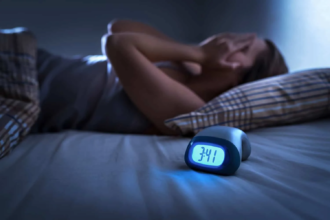
Write down what happens at night before you book a visit. You snore loudly, and a partner may notice pauses in your breathing. Since patterns matter, tracking symptoms over a week gives a snoring specialist useful detail.
Daytime signs also tell part of the story. When your sleep breaks up often, morning headaches and fatigue tend to follow. You feel tired, and focus fades by afternoon. A short list of symptoms helps your provider spot connections quickly.
Bring these notes to your first appointment. A clear record speeds up the review, and it keeps the conversation focused. You share the facts. Since details guide the assessment, small observations shape a better plan.
Find Specialized Dentists
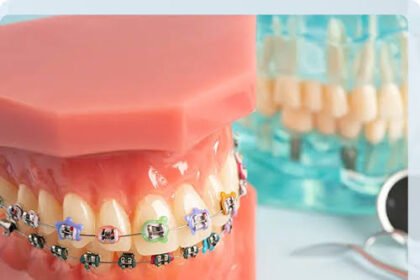
Some dentists complete extra training in sleep-related breathing. They study airway anatomy, and they fit devices that adjust jaw position. Since this work sits outside general dentistry, ask directly about their experience with snoring. Look for a few significant markers when you compare providers:
- Certification in dental sleep medicine
- Membership in a recognized dental sleep association
- Experience fitting oral appliances
A qualified dentist reviews these credentials openly. You ask questions, and they answer with specifics about their approach. Since trust starts with clarity, a transparent provider makes the choice easier.
Prioritize In-office Tools
Good assessment relies on measurement, not guesswork, so a specialist may use a pharyngometer to measure airway size and stability. Since your airway shape affects snoring, these readings guide the treatment discussion. A rhinometer measures airflow through your nasal passages. You breathe normally during the test, and the device records airflow. When nasal blockage adds to snoring, this data points the specialist toward the right fix.
Get Custom Oral Devices
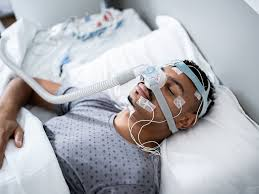
Many snoring specialists fit custom oral appliances. A device holds your lower jaw slightly forward, and this position opens the airway. As stock versions typically don’t fit well, a molded appliance matches your mouth precisely. The fitting process follows a few clear steps:
- A dentist takes impressions of your teeth
- A lab builds the device to those measurements
- A scheduled return for adjustments and comfort checks
A custom device needs follow-up over time. You wear it nightly, and the dentist fine-tunes the fit at review visits. Since comfort affects nightly use, regular checkups keep the appliance working as intended.
Find a Snoring Specialist
Start with your symptom notes, and match them to a provider trained in dental sleep medicine. A specialist measures your airway, explains the findings, and outlines your device options. Since clear steps may reduce guesswork, a structured process keeps you moving forward. Book a consultation with a snoring specialist to begin the review; bring your symptom list, and ask about the tools and devices described here.