
When patients have discoloration, chips, gaps, or uneven teeth, porcelain veneers can provide a natural-looking solution that improves the smile’s appearance. Preparing for the first appointment can make the process smoother, and it also helps reduce unexpected delays during treatment. Here is more information on what porcelain veneers are, how they work, what to expect at an appointment, and how to prepare effectively:
What Are Porcelain Veneers?
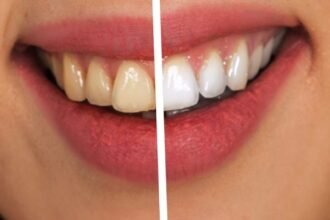
Porcelain veneers are thin, custom-made shells bonded to the front surface of the teeth. They are designed to improve the appearance of teeth that are stained, chipped, misshapen, or slightly misaligned, and they are constructed from dental-grade porcelain that mimics the light-reflecting properties of natural enamel. Since porcelain veneers are customized to complement the surrounding teeth, they can create a uniform, aesthetically refined smile.
How Do They Work?
The veneer process typically spans a few dental visits, during which a dentist assesses the teeth and takes impressions. The dentist then removes a thin layer of enamel, and this creates space for the veneer. Because this enamel removal is permanent, the teeth will always require a veneer or another form of restoration afterward. The dentist places temporary veneers while the permanent ones are fabricated in a dental laboratory.
Once the custom veneers are ready, the dentist bonds them to the tooth surface using a dental adhesive. The dentist checks and adjusts the fit, color, and bite as needed. Porcelain veneers are durable; they can last 10 to 15 years when patients maintain proper oral hygiene and attend regular dental checkups.
What Do First Appointments Involve?
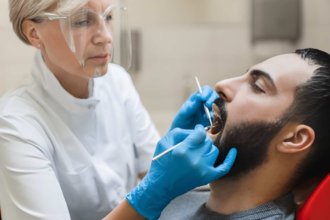
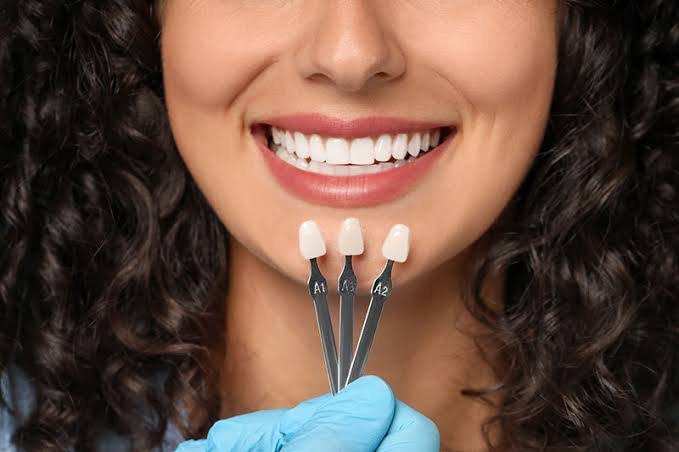
The initial consultation focuses on evaluating dental health and discussing aesthetic goals. The dentist may take X-rays and impressions of the teeth; they typically review shade options to match the veneers to the patient’s natural tooth color. Any existing dental issues, such as decay or gum disease, are addressed before veneer placement begins, as these conditions can affect the procedure’s outcome.
How Can Patients Prepare?
Preparation begins before the appointment; attending to oral hygiene the night before and the morning of the visit helps clean the teeth for the examination. Brush and floss thoroughly. Avoid a heavy meal immediately before the procedure, especially if anesthesia will be administered. Arrange transportation if sedation is expected, as it may impair the ability to drive safely. Patients benefit from compiling a list of questions ahead of time:
- What shade options are available?
- How many veneers are recommended?
- What aftercare is required?
Preparing these questions helps make the consultation more productive. Tell the dentist all current medications and any history of teeth grinding (bruxism).
Consult a Dental Professional
Porcelain veneers offer a structured solution to a range of cosmetic dental issues; understanding what the procedure involves, from the initial consultation to the final placement, helps set realistic expectations. Thorough preparation, asking the right questions, and maintaining open communication with your dentist can lead to a more informed decision and a smoother experience. If you are exploring your dental restoration options, speak with a qualified dental professional. A consultation lets them evaluate your oral health, review the process in detail, and develop a personalized treatment plan.