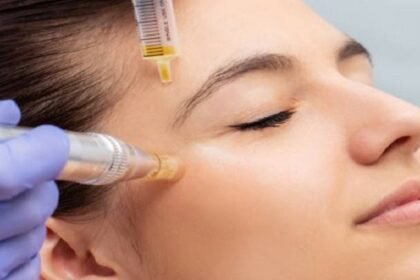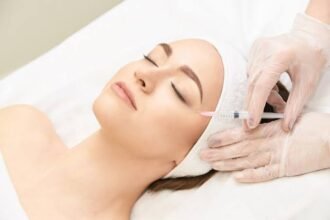
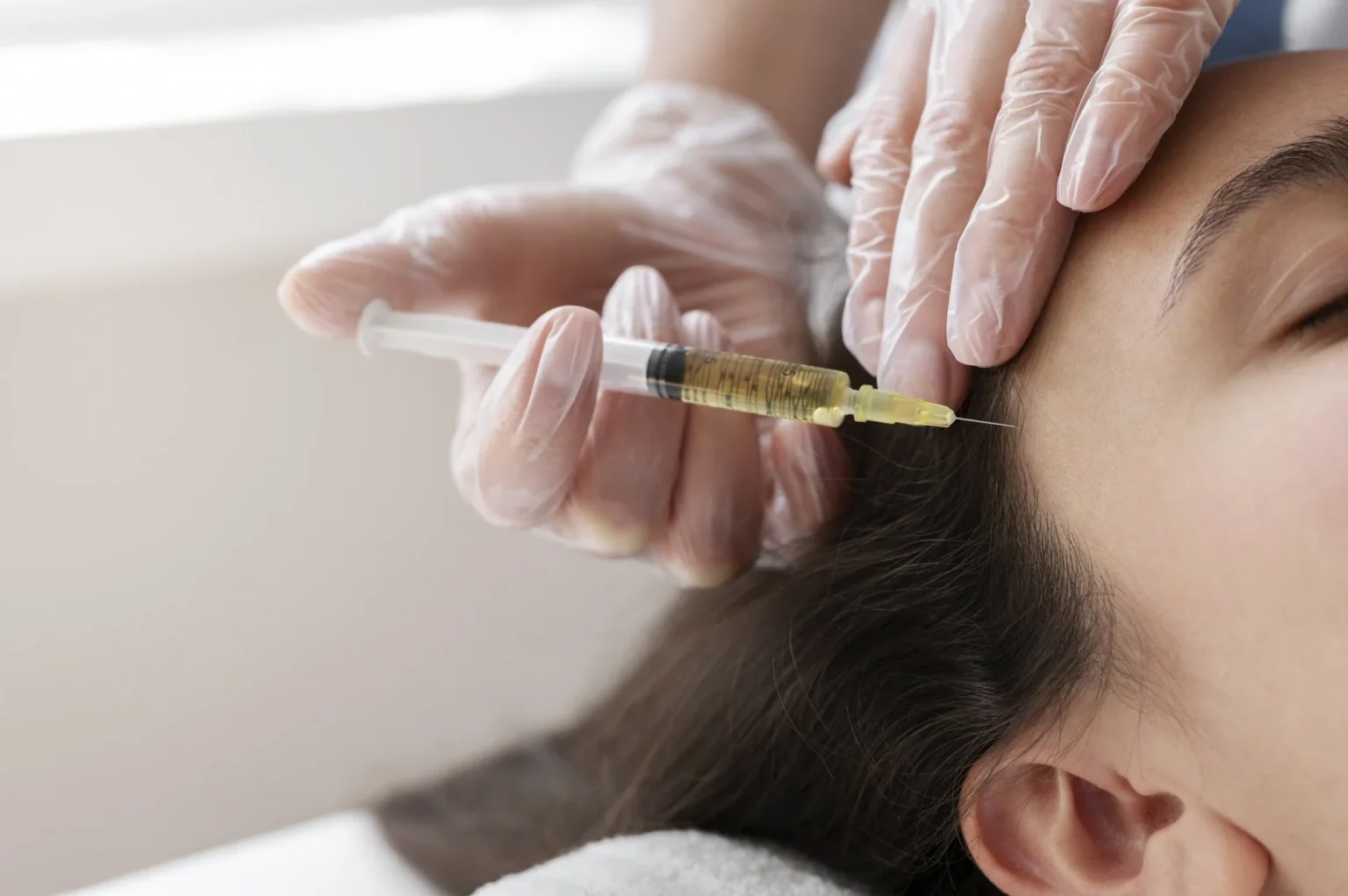

PRP injections use your own blood to support tissue repair. The process concentrates platelets, and those platelets contain growth factors. Providers draw a small sample, and then they spin it in a centrifuge. They inject the concentrated plasma into the target area, while making sure you are comfortable.
Understanding the PRP Process
A provider draws your blood, then a centrifuge separates the platelet-rich portion. PRP injections follow a clear sequence. The concentrated plasma is then injected into the affected joint, tendon, or soft tissue. Your provider will clean and prepare the site before the injection, and a local anesthetic may be applied to keep you comfortable. Ultrasound-guided injections help place the plasma precisely, so your provider can target the exact site and confirm needle position. This real-time imaging reduces guesswork and improves accuracy, which is especially helpful for deeper or harder-to-reach structures. The number of injections per session depends on the size and location of the treatment area. Your provider will explain what to expect.
Knowing Your Recovery Timeline
Recovery from PRP follows a gradual pattern, so your provider will schedule sessions at intervals. This allows tissue time to respond. Healing depends on the condition, the tissue, and your overall health, so the timeline varies by individual. Some patients notice steady improvement between sessions, while others see more gradual change. Keeping track of your symptoms between appointments helps your provider assess progress and adjust the schedule if needed. Key timeline benchmarks to keep in mind:
- Two to four treatments are typically required, spaced over several weeks.
- Two to three weeks after the initial injection, pain relief may begin.
- Your body processes growth factors and begins rebuilding damaged tissue.
- Influencing factors areage, injury severity, and activity level.
Managing Your Aftercare Steps
Aftercare centers on managing minor, short-term effects. PRP does not provide instant pain relief, and mild soreness at the injection site is common. Some inflammation may appear, but it typically fades within a few days. This response is part of the healing process, since your body uses that inflammation to begin tissue repair. Follow your provider’s guidance on activity, and avoid anti-inflammatory medications if instructed, as they can interfere with healing. Strenuous exercise or heavy lifting may be restricted for a short period after each session, so plan your schedule accordingly.
Staying hydrated, eating well, and getting adequate sleep can also support healing during this window. Track your symptoms, note any changes, and share them at your follow-up. Your provider can adjust the plan. If soreness worsens or does not improve within a week, contact your provider promptly. Clear communication between visits helps your provider make informed decisions about next steps, and it keeps your recovery on track.
Book PRP Injections Today
PRP may suit specific conditions, though it is not right for everyone. Bring your questions to a consultation, and ask how the treatment applies to your goals. A provider can assess your history, review imaging, and explain whether PRP injections and therapy fis your needs. Schedule an evaluation today.