
Dermatology includes a range of minimally invasive procedures designed to address cosmetic and medical skin concerns without the need for extensive surgery. These treatments may improve skin texture, reduce visible signs of aging, or address certain skin conditions. Here is an overview of minimally invasive dermatology procedures:
Renewing Skin With Microneedling
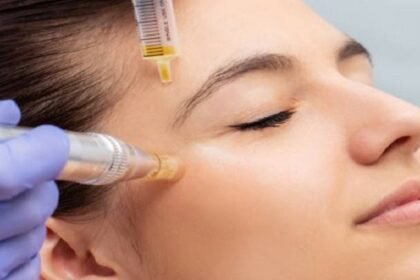
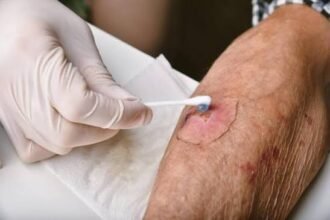
Microneedling relies on a device fitted with fine needles that create controlled micro-channels in the skin. These tiny channels prompt the body’s natural repair response; practitioners often pair the treatment with serums to support the process. The procedure is often performed on the face, though a dermatology provider may treat other areas of the body as well.
A session usually begins with cleansing and a topical numbing agent, after which the provider moves the device across the treatment zone. Recovery is typically short, so most people return to their daily routines within a day or two, though mild redness may persist. Your provider will explain how many sessions align with your goals and outline aftercare steps to follow at home.
Smoothing Lines With Injectables
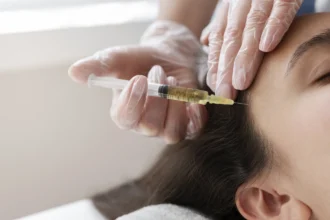
Injectable treatments are a key category in cosmetic dermatology, targeting fine lines, volume loss, and facial contours. The following options are commonly discussed during a consultation:
- Neuromodulators: These injections relax specific facial muscles, softening the appearance of lines formed during expressions.
- Dermal fillers: Fillers add volume beneath the skin, and practitioners use them to smooth folds or restore fullness in areas that have lost definition.
- Collagen-stimulating injectables: These products work gradually by encouraging the skin’s own support structures, so changes tend to develop over several weeks rather than immediately.
Each injectable serves a different purpose, and a dermatology provider will recommend an option based on your goals and skin type.
Treating Skin With Light-Based Procedures
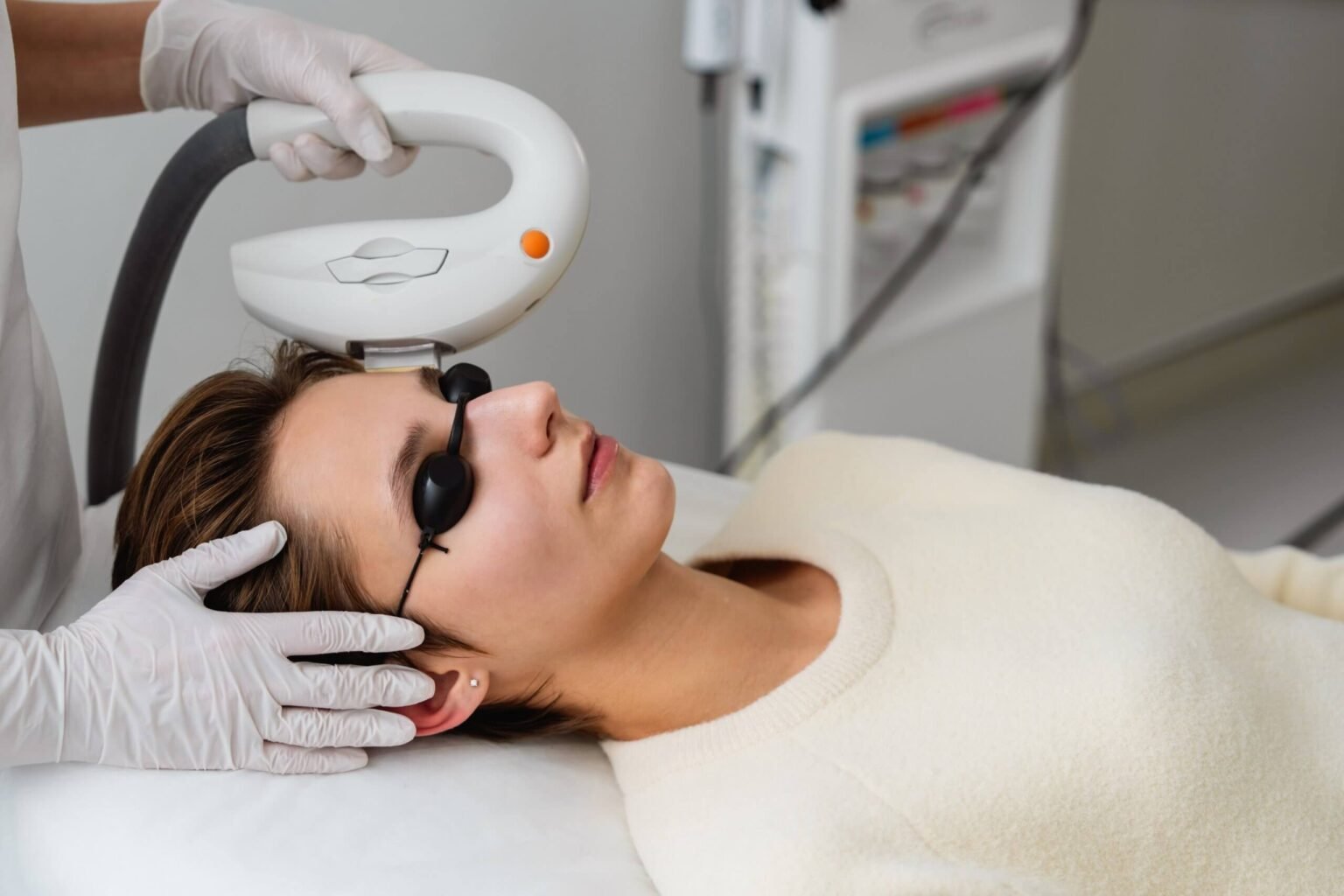
Light-based procedures use focused energy to address concerns such as uneven tone, redness, and unwanted hair. Lasers deliver precise wavelengths that target pigment or blood vessels, while intense pulsed light devices spread energy across a broader spectrum. A provider selects the technology based on your skin and the specific concern you want to treat.
During a session, the device passes over the treatment area, and people often experience a warm or snapping sensation. Downtime varies by procedure. Some treatments allow an immediate return to activities while others call for a short recovery window. Your provider will discuss how many sessions may be helpful and will explain sun protection measures to follow afterward.
Preparing for Your Procedure
Preparation often influences your comfort and results, and a few steps can help you prepare for any appointment. Review the following before your appointment:
- Share your medical history: Tell your provider about medications, allergies, and past skin conditions so they can tailor the plan.
- Adjust skincare products: Some ingredients, such as retinoids or exfoliating acids, may need to be paused before certain procedures.
- Limit sun exposure: Reduced sun contact before a session can lower the risk of complications, so make sure you follow the guidance you receive.
- Plan for recovery: Set aside time for aftercare, and arrange any support you may need on the day of treatment.
- Ask questions: Write down concerns in advance and raise them during the consultation.
Following these steps prepares your skin and helps your provider provide a smooth experience.
Schedule Your Dermatology Appointment Today
Minimally invasive dermatology includes microneedling, injectable treatments, and light-based procedures; each option addresses different skin goals with limited downtime. Preparation, honest communication, and a clear understanding of aftercare support a positive experience. Contact a trusted dermatologist near you to schedule your appointment today.