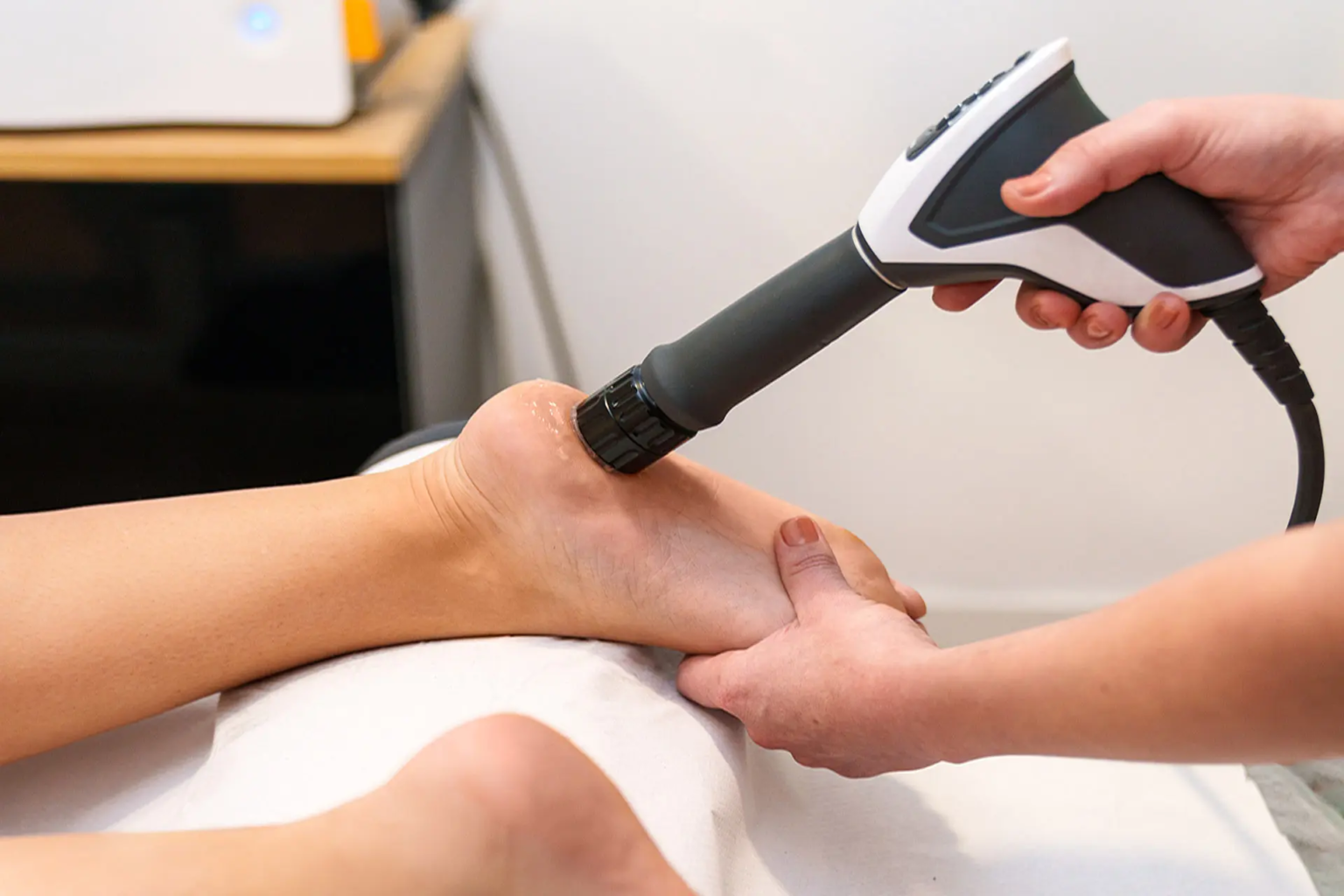

Heel pain is one of those problems that can quietly affect your daily life. It may start as a small discomfort in the morning or after long hours of standing, but over time it can become sharp, persistent, and frustrating. One of the most common causes of heel pain is a condition called plantar fasciitis.
- What is Plantar Fasciitis?
- Why Does Heel Pain and Plantar Fasciitis Happen?
- 1. Overuse of the Feet
- 2. Improper Footwear
- 3. Excess Body Weight
- 4. Tight Calf Muscles
- 5. Flat Feet or High Arches
- 6. Age Factor
- Symptoms of Plantar Fasciitis
- How is Plantar Fasciitis Diagnosed?
- Heel Pain and Plantar Fasciitis Treatment Options
- 1. Rest and Activity Modification
- 2. Ice Therapy
- 3. Stretching Exercises
- 4. Proper Footwear
- 5. Orthotic Inserts
- 6. Pain Relief Medications
- 7. Physical Therapy
- 8. Night Splints
- 9. Steroid Injections
- 10. Surgery (Rare Cases)
- Lifestyle Tips for Faster Recovery
- How Long Does Recovery Take?
- When Should You See a Doctor?
- Final Thoughts
- FAQs About Heel Pain and Plantar Fasciitis Treatment
In this article, we will explain what plantar fasciitis is, why it happens, how it feels, and most importantly, how it can be treated in simple and practical ways. The goal is to help you understand your heel pain and learn what you can do to feel better.
What is Plantar Fasciitis?
Plantar fasciitis is a condition that affects a strong band of tissue called the plantar fascia. This tissue runs along the bottom of your foot, connecting your heel bone to your toes. It supports the arch of your foot and helps you walk, run, and stand.
When this tissue becomes irritated or overused, small tears can form. This leads to inflammation and pain, especially in the heel area. That is why plantar fasciitis is often called a leading cause of heel pain.
The pain is usually worse in the morning when you take your first steps or after sitting for a long time.
Why Does Heel Pain and Plantar Fasciitis Happen?
There is no single reason for plantar fasciitis. It usually develops due to repeated stress on the foot. Some common causes include:
1. Overuse of the Feet
Standing for long hours, walking on hard surfaces, or running excessively can strain the plantar fascia.
2. Improper Footwear
Shoes that lack proper support or cushioning can increase pressure on your heel.
3. Excess Body Weight
Extra weight puts more pressure on your feet, especially the heel area.
4. Tight Calf Muscles
If your calf muscles are tight, they can pull on the heel and increase stress on the plantar fascia.
5. Flat Feet or High Arches
People with flat feet or very high arches may have uneven pressure distribution on the foot.
6. Age Factor
Plantar fasciitis is more common in people between 30 and 60 years old because the tissues lose flexibility over time.
Symptoms of Plantar Fasciitis
Heel pain caused by plantar fasciitis usually has some clear signs:
- Sharp pain in the bottom of the heel
- Pain is worse in the morning or after rest
- Discomfort after long standing or walking
- Pain improves slightly with movement but returns after activity
- Tightness in the foot arch
Some people describe it as feeling like a “stone bruise” under the heel.
How is Plantar Fasciitis Diagnosed?
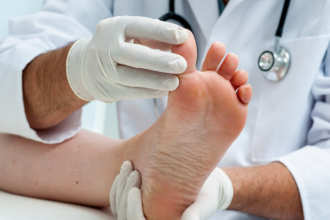
Doctors usually diagnose plantar fasciitis through a physical examination. They may press on your heel or ask you about your symptoms and daily activities.
In some cases, imaging tests like X-rays or ultrasound may be used to rule out other conditions such as fractures or nerve problems.
Heel Pain and Plantar Fasciitis Treatment Options
The good news is that most cases of plantar fasciitis improve with simple treatments. Surgery is rarely needed. Let’s explore the most effective treatments:
1. Rest and Activity Modification
One of the first steps is to reduce activities that cause pain. This doesn’t mean complete bed rest, but avoiding long periods of standing or running helps the foot heal.
Switching to low-impact activities like swimming or cycling can also reduce pressure on the heel.
2. Ice Therapy
Applying ice to the heel can reduce inflammation and pain. You can roll your foot over a cold water bottle or use an ice pack for 15–20 minutes.
Doing this 2–3 times a day can provide relief, especially after activity.
3. Stretching Exercises
Stretching is one of the most important treatments for plantar fasciitis. It helps reduce tightness in the calf muscles and foot.
Simple stretches include:
- Calf stretches against a wall
- Towel stretches (pulling your toes toward you using a towel)
- Rolling a ball under your foot
Regular stretching can significantly reduce pain over time.
4. Proper Footwear
Wearing supportive shoes is very important. Good shoes should have:
- Cushioned soles
- Arch support
- A slightly raised heel
- A comfortable fit
Avoid walking barefoot on hard surfaces, especially in the morning.
5. Orthotic Inserts
Special shoe inserts called orthotics can help support your arch and reduce stress on the plantar fascia. These can be bought over-the-counter or custom-made by a specialist.
They help distribute pressure evenly across the foot.
6. Pain Relief Medications
Over-the-counter pain relievers like ibuprofen or acetaminophen may help reduce pain and swelling. However, they should be used carefully and not relied on long-term without medical advice.
7. Physical Therapy
A physical therapist can guide you through exercises that improve flexibility and strengthen foot muscles. They may also use massage or other treatments to reduce pain.
8. Night Splints
Night splints keep your foot stretched while you sleep. This prevents the plantar fascia from tightening overnight and reduces morning pain.
9. Steroid Injections
In severe cases, doctors may suggest steroid injections to reduce inflammation. These are usually used only when other treatments do not work.
10. Surgery (Rare Cases)
Surgery is very rare and only considered when all other treatments fail after many months. It involves releasing part of the plantar fascia to reduce tension.
Lifestyle Tips for Faster Recovery
Healing from plantar fasciitis takes time, but small lifestyle changes can make a big difference:
- Maintain a healthy weight
- Avoid standing for too long on hard floors
- Wear supportive shoes at home
- Do regular foot exercises
- Replace worn-out shoes
- Warm up before exercise
Consistency is key. Even if the pain improves, continuing stretches helps prevent it from coming back.
How Long Does Recovery Take?
Recovery time varies from person to person. Some people feel better in a few weeks, while others may take several months. Early treatment usually leads to faster recovery.
The most important thing is not to ignore the pain and continue stressing the foot.
When Should You See a Doctor?
You should consult a doctor if:
- Heel pain lasts more than a few weeks
- Pain becomes severe or worsens
- You cannot walk properly
- Home treatments are not helping
Early medical advice can prevent the condition from getting worse.
Final Thoughts
Heel pain caused by plantar fasciitis is common but very manageable. It may start as a small discomfort but can affect your daily life if ignored. The good news is that most people recover fully with simple treatments like rest, stretching, proper shoes, and lifestyle changes.
The key is patience and consistency. Your feet carry your entire body weight every day, so giving them care and attention is essential for long-term comfort and health.
FAQs About Heel Pain and Plantar Fasciitis Treatment
1. What is the fastest way to cure plantar fasciitis?
There is no instant cure, but combining rest, stretching, ice therapy, and proper footwear can speed up recovery significantly.
2. Can plantar fasciitis go away on its own?
Yes, in some mild cases it can improve on its own, but without treatment it may take much longer or come back again.
3. Is walking good or bad for plantar fasciitis?
Short, gentle walking is fine, but long walks or standing for hours can make the pain worse.
4. Do shoes really make a difference in heel pain?
Yes, supportive shoes are very important. Poor footwear is one of the main reasons plantar fasciitis develops or worsens.
5. Can I still exercise with plantar fasciitis?
Yes, but choose low-impact exercises like swimming or cycling instead of running or jumping. Always stretch before activity.