

Pregnancy is one of the most important and emotional journeys in a woman’s life. It brings happiness, excitement, and also many physical and emotional changes. To ensure a healthy pregnancy and safe delivery, medical support is very important. After childbirth, the care of both mother and baby continues to be equally important. This is where a prenatal and postnatal care services clinic plays a vital role.
- What is a Prenatal Care Services Clinic?
- What is a Postnatal Care Services Clinic?
- Importance of Prenatal and Postnatal Care Clinics
- 1. Ensures Safe Pregnancy
- 2. Healthy Baby Development
- 3. Reduces Complications
- 4. Supports Emotional Health
- 5. Helps in Faster Recovery
- 6. Educates Parents
- Why You Should Visit a Prenatal and Postnatal Care Clinic
- Who Should Go to These Clinics?
- What Happens During a Visit?
- Role of Technology in Modern Clinics
- Emotional Support in Mother Care
- Final Thoughts
- FAQs
A prenatal and postnatal care clinic provides complete medical support before and after pregnancy. It helps mothers stay healthy, supports baby development, and guides families through every step of this life-changing journey.
In this article, we will explain what these clinics are, what services they provide, and why they are important for both mother and child.
What is a Prenatal Care Services Clinic?
Prenatal care means the medical care and support given to a woman during pregnancy. A prenatal care clinic focuses on monitoring the health of both the mother and the unborn baby.
The main goal of prenatal care is to ensure a safe pregnancy and reduce risks during childbirth.
Services offered in prenatal care clinics include:
- Regular Check-ups
Doctors monitor the mother’s health, weight, blood pressure, and baby’s growth. - Ultrasound Scans
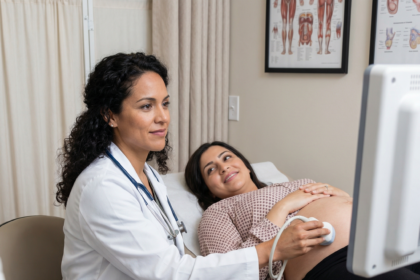
These scans help check the baby’s development, heartbeat, and position. - Blood and Urine Tests
These tests detect conditions like anemia, diabetes, infections, or other health issues. - Nutrition Guidance
Doctors suggest healthy diets rich in vitamins, iron, calcium, and protein. - Prenatal Vitamins
Supplements are given to support baby growth and prevent deficiencies. - Vaccinations
Some vaccines are important during pregnancy to protect both mother and baby. - Education and Counseling
Mothers are guided about pregnancy stages, labor signs, and delivery preparation.
What is a Postnatal Care Services Clinic?
Postnatal care refers to the medical care given after childbirth. This stage is very important because the mother’s body is recovering, and the newborn baby needs special attention.
Postnatal care clinics focus on helping mothers heal and ensuring babies grow healthy.
Services offered in postnatal care clinics include:
- Mother’s Recovery Check-ups
Doctors check healing after delivery (normal or C-section). - Newborn Baby Care
Baby’s weight, feeding habits, and overall health are monitored. - Breastfeeding Support
Guidance is given to help mothers breastfeed properly and comfortably. - Mental Health Support
Some mothers experience postpartum depression, anxiety, or stress. Counseling is provided. - Vaccination for Babies
Essential immunizations are given to protect newborns from diseases. - Nutrition Advice for Mothers
Healthy diets are recommended to help recovery and milk production. - Family Planning Guidance
Clinics help parents understand safe spacing between pregnancies.
Importance of Prenatal and Postnatal Care Clinics
A prenatal and postnatal care clinic is not just a medical facility—it is a support system for mothers and families.
1. Ensures Safe Pregnancy
Regular check-ups help detect problems early, reducing risks during pregnancy and delivery.
2. Healthy Baby Development
Proper care ensures the baby grows well inside the womb and is born healthy.
3. Reduces Complications
Conditions like high blood pressure, diabetes, or infections can be managed early.
4. Supports Emotional Health
Pregnancy and postpartum phases can be emotionally challenging. Clinics offer counseling and emotional support.
5. Helps in Faster Recovery
After birth, mothers receive proper care that helps them recover quickly and safely.
6. Educates Parents
First-time parents often feel confused. Clinics guide them step by step.
Why You Should Visit a Prenatal and Postnatal Care Clinic
Many families think pregnancy is a natural process and does not require medical attention unless there is a problem. However, this is not true. Regular visits to a care clinic are very important.
Here are some reasons:
- Early detection of health issues
- Safe delivery planning
- Professional medical guidance
- Better health for mother and baby
- Reduced risk of complications
- Emotional and mental support
Who Should Go to These Clinics?
These clinics are helpful for:
- Women planning to become pregnant
- Pregnant women at any stage
- First-time mothers
- Mothers who have given birth recently
- Families needing baby care guidance
What Happens During a Visit?
A typical visit to a prenatal or postnatal clinic is simple and comfortable.
The doctor may:
- Check blood pressure and weight
- Ask about symptoms or discomfort
- Perform ultrasound or lab tests (if needed)
- Give diet and lifestyle advice
- Provide medication or supplements
- Answer questions from parents
The aim is to make sure both mother and baby are healthy and safe.
Role of Technology in Modern Clinics
Today, many prenatal and postnatal clinics use modern technology to improve care. This includes:
- Advanced ultrasound machines
- Digital health records
- Online appointment booking
- Mobile health tracking apps
- Teleconsultation with doctors
These tools make care more accessible and efficient.
Emotional Support in Mother Care
Pregnancy and childbirth are not just physical experiences—they are deeply emotional too. Many women feel:
- Anxiety about delivery
- Fear of complications
- Stress after childbirth
- Sleep issues
- Mood changes
A good clinic understands these challenges and provides emotional care along with medical support.
Final Thoughts
A prenatal and postnatal care services clinic plays a very important role in ensuring a safe and healthy journey for both mother and baby. From the early days of pregnancy to the weeks after childbirth, these clinics provide complete medical, emotional, and educational support.
They help reduce risks, improve health outcomes, and guide families through one of the most beautiful phases of life.
Choosing proper prenatal and postnatal care is not just a medical decision—it is a step toward a healthier future for both mother and child.
FAQs
1. What is the main purpose of a prenatal care clinic?
The main purpose is to monitor the health of the mother and baby during pregnancy and ensure a safe delivery.
2. When should I start prenatal care?
It is best to start prenatal care as soon as you find out you are pregnant, or even before conception if possible.
3. Why is postnatal care important?
Postnatal care helps mothers recover after childbirth and ensures that the newborn baby is healthy and developing properly.
4. How often should I visit a prenatal clinic?
Usually, visits are once a month in early pregnancy, increasing in frequency as the due date approaches.
5. Can postnatal clinics help with breastfeeding problems?
Yes, postnatal care clinics provide expert guidance and support for breastfeeding and newborn feeding issues.