
Hormones play a major role in a woman’s health. They control everything from periods and fertility to mood, skin, weight, and energy levels. When hormones are not balanced, it can lead to many health problems. One of the most common hormonal disorders in women is PCOS (Polycystic Ovary Syndrome).
- What is PCOS?
- What is Hormonal Imbalance?
- What is a PCOS and Hormonal Imbalance Treatment Clinic?
- How Does a Treatment Clinic Help?
- 1. Diagnosis
- 2. Personalized Treatment Plan
- 3. Lifestyle and Diet Guidance
- 4. Fertility Support (if needed)
- 5. Emotional and Mental Health Support
- Why Choose a Specialized Clinic?
- Living with PCOS: What to Expect
- Simple Tips to Support Hormonal Balance at Home
- Conclusion
- FAQs
A PCOS and hormonal imbalance treatment clinic is a specialized medical center that helps diagnose, manage, and treat hormonal disorders like PCOS. These clinics focus on restoring balance in the body through medical care, lifestyle guidance, and long-term support.
In this article, we will explain what PCOS is, what hormonal imbalance means, how treatment clinics work, and what kind of care you can expect. Everything is written in simple and human-friendly language so it is easy to understand.
What is PCOS?
PCOS stands for Polycystic Ovary Syndrome. It is a condition that affects women, usually during their reproductive years.
In PCOS, the ovaries (which produce eggs and hormones) do not work normally. Small fluid-filled sacs, called cysts, may form in the ovaries. The body may also produce higher levels of male hormones (androgens), which causes different symptoms.
Common signs of PCOS include:
- Irregular or missed periods
- Weight gain, especially around the belly
- Acne or oily skin
- Excess hair growth on the face or body
- Hair thinning or hair loss from the scalp
- Difficulty in getting pregnant
PCOS is not just a reproductive issue. It is a hormonal and metabolic condition, meaning it affects the whole body.
What is Hormonal Imbalance?
Hormones are chemical messengers in the body. They control important functions like sleep, mood, metabolism, and reproduction. When hormone levels go too high or too low, it is called hormonal imbalance.
Hormonal imbalance in women can be caused by:
- PCOS
- Stress and anxiety
- Poor diet and lifestyle
- Thyroid problems
- Certain medications
- Lack of sleep
Symptoms of hormonal imbalance may include:
- Irregular periods
- Sudden weight changes
- Mood swings or depression
- Low energy or fatigue
- Skin problems like acne
- Fertility issues
A PCOS and hormonal imbalance treatment clinic helps identify the exact cause and treats it properly.
What is a PCOS and Hormonal Imbalance Treatment Clinic?
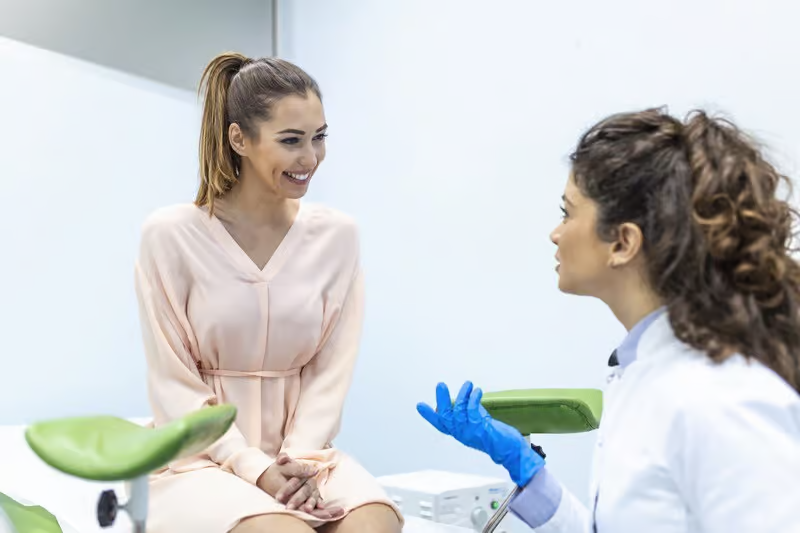
A PCOS and hormonal imbalance treatment clinic is a healthcare center that specializes in women’s hormonal health. These clinics usually have experts like:
- Gynecologists
- Endocrinologists (hormone specialists)
- Nutritionists
- Fertility specialists
- Mental health counselors
The main goal of these clinics is not just to treat symptoms but to fix the root cause of hormonal problems.
How Does a Treatment Clinic Help?
When a patient visits a PCOS and hormonal imbalance clinic, the process usually follows several steps.
1. Diagnosis
Doctors first understand your symptoms and medical history. They may suggest:
- Blood tests to check hormone levels
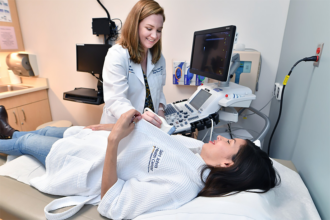
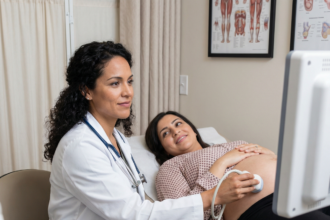
- Ultrasound of ovaries
- Thyroid function tests
- Blood sugar and insulin tests
Proper diagnosis is important because PCOS symptoms can be similar to other conditions.
2. Personalized Treatment Plan
Every woman is different, so treatment is not the same for everyone. The clinic creates a personalized plan based on your condition.
This may include:
- Hormonal medicines
- Birth control pills (to regulate periods)
- Insulin control medications
- Supplements like Vitamin D or iron
3. Lifestyle and Diet Guidance
Lifestyle changes are a very important part of treatment. Clinics often provide diet plans that focus on:
- Reducing sugar and processed food
- Increasing protein and fiber intake
- Healthy fats like nuts and olive oil
- Drinking enough water
Exercise is also recommended, such as:
- Walking
- Yoga
- Light strength training
Even small changes can make a big difference in hormone balance.
4. Fertility Support (if needed)
For women trying to get pregnant, PCOS can sometimes make it difficult. Clinics offer fertility treatments like:
- Ovulation induction medicines
- Hormone therapy
- IVF (in advanced cases)
5. Emotional and Mental Health Support
Hormonal imbalance can affect mood and mental health. Many clinics provide counseling for:
- Stress
- Anxiety
- Depression
- Body image issues
This helps patients feel emotionally stronger during treatment.
Why Choose a Specialized Clinic?
Choosing a PCOS and hormonal imbalance treatment clinic is important because:
- You get expert care in one place
- Treatment is personalized
- Doctors understand hormonal conditions deeply
- You get long-term support, not just short-term relief
- It improves both physical and emotional health
Regular hospitals may treat symptoms, but specialized clinics focus on complete hormone balance and long-term recovery.
Living with PCOS: What to Expect
PCOS is a long-term condition, but it can be managed very well with proper care. Many women live healthy, normal lives after treatment.
The key is:
- Early diagnosis
- Consistent treatment
- Healthy lifestyle
- Regular follow-ups
With time, symptoms like irregular periods, acne, and weight gain can improve significantly.
Simple Tips to Support Hormonal Balance at Home
Along with clinic treatment, you can also help your body by:
- Sleeping at least 7–8 hours daily
- Avoiding too much sugar and junk food
- Staying physically active
- Managing stress through meditation or hobbies
- Drinking enough water
- Not skipping meals
These habits support medical treatment and help your hormones stay balanced.
Conclusion
A PCOS and hormonal imbalance treatment clinic plays an important role in helping women regain control of their health. PCOS and hormonal imbalance can affect many parts of life, but they are manageable with the right care.
These clinics provide medical treatment, lifestyle support, emotional guidance, and fertility solutions all in one place. The goal is not only to reduce symptoms but to improve overall well-being.
If you or someone you know is struggling with irregular periods, weight changes, or other hormonal issues, visiting a specialized clinic can be a life-changing step toward better health.
FAQs
1. Can PCOS be completely cured?
PCOS cannot always be completely cured, but it can be controlled very effectively with treatment, diet, and lifestyle changes.
2. Do I need to take medicine forever for PCOS?
Not always. Some women may need medicine for a short time, while others may need long-term management depending on symptoms.
3. Can diet really help hormonal imbalance?
Yes, a healthy diet plays a very important role in balancing hormones, especially in PCOS. It helps regulate insulin and weight.
4. Is PCOS only a fertility problem?
No, PCOS affects many parts of the body, including skin, weight, mood, and metabolism—not just fertility.
5. When should I visit a PCOS treatment clinic?
You should visit a clinic if you have irregular periods, sudden weight gain, acne, excess hair growth, or difficulty getting pregnant.