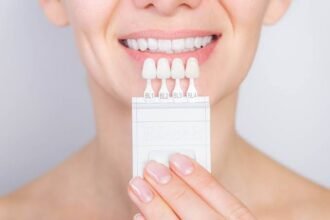

A beautiful smile can improve confidence, appearance, and overall oral health. Many people suffer from crooked teeth, bite problems, or spacing issues that make them feel uncomfortable when smiling or speaking. Thankfully, modern orthodontic care offers safe and effective solutions for people of all ages. A professional braces and orthodontic treatment center helps patients achieve straighter teeth and healthier gums through advanced treatments and personalized care.
- What Is an Orthodontic Treatment Center?
- Why Straight Teeth Are Important
- Common Orthodontic Problems
- Types of Braces Available
- The Orthodontic Treatment Process
- Benefits of Visiting a Professional Orthodontic Center
- Orthodontic Treatment for Children
- Braces for Adults
- Caring for Braces
- Choosing the Right Orthodontic Treatment Center
- The Future of Orthodontic Care
- Conclusion
- Frequently Asked Questions (FAQs)
Orthodontic treatment is no longer only for teenagers. Today, children, adults, and even seniors visit orthodontic clinics to improve their smiles. With new technologies and comfortable treatment options, getting braces has become easier and more convenient than ever before.
What Is an Orthodontic Treatment Center?
An orthodontic treatment center is a specialized dental clinic that focuses on correcting teeth and jaw alignment problems. These centers are managed by orthodontists, who are dental specialists trained to diagnose and treat issues related to crooked teeth, improper bites, and jaw irregularities.
Unlike general dental clinics, orthodontic centers provide advanced treatments such as braces, clear aligners, retainers, and jaw correction procedures. Their goal is not only to improve appearance but also to support better oral health and chewing function.
Patients visiting an orthodontic center usually receive a complete dental examination, digital X-rays, and a customized treatment plan according to their needs.
Why Straight Teeth Are Important
Many people think braces are only for cosmetic purposes, but straight teeth provide many health benefits as well. Misaligned teeth can cause several oral problems, including:
- Difficulty cleaning teeth properly
- Tooth decay and gum disease
- Jaw pain and headaches
- Speech problems
- Uneven tooth wear
- Difficulty chewing food
Straight teeth are easier to clean and maintain. They also help improve bite function and reduce pressure on the jaw. In addition, a healthy smile can boost confidence and self-esteem in social and professional life.
Common Orthodontic Problems
Orthodontic treatment centers treat a wide range of dental alignment problems. Some common conditions include:
Crooked Teeth
Crooked or overlapping teeth can make brushing difficult and affect the appearance of the smile.
Overbite
An overbite happens when the upper teeth extend too far over the lower teeth.
Underbite
An underbite occurs when the lower teeth sit in front of the upper teeth.
Open Bite
In an open bite, the upper and lower teeth do not touch properly when the mouth is closed.
Gaps Between Teeth
Large spaces between teeth may affect appearance and lead to food trapping.
Crowded Teeth
Crowding occurs when there is not enough space in the mouth for teeth to align properly.
Early treatment can help prevent these problems from becoming more serious in the future.
Types of Braces Available
Modern orthodontic centers offer several types of braces to meet different patient needs and lifestyles.
Metal Braces
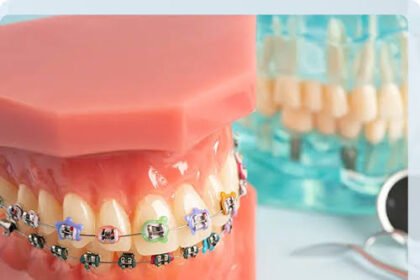
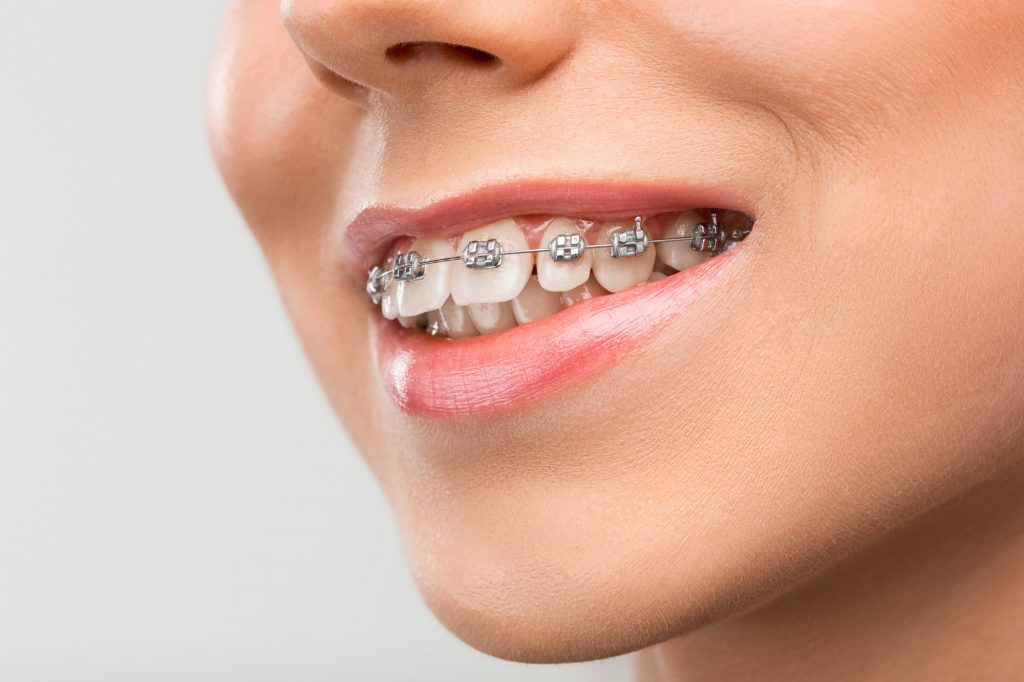
Metal braces are the most common and affordable option. They use stainless steel brackets and wires to move teeth into the correct position. Modern metal braces are smaller and more comfortable than older versions.
Ceramic Braces
Ceramic braces work like metal braces but use clear or tooth-colored brackets. They are less noticeable and popular among adults and teenagers.
Lingual Braces
Lingual braces are attached behind the teeth instead of the front. They remain hidden while providing effective treatment.
Clear Aligners
Clear aligners are transparent trays that gradually straighten teeth. They are removable, comfortable, and nearly invisible. Many adults prefer this option because it offers a discreet appearance.
Each treatment option has its own benefits. An orthodontist can recommend the best choice based on the patient’s dental condition and budget.
The Orthodontic Treatment Process
The journey to a better smile usually follows several important steps.
Initial Consultation
During the first visit, the orthodontist examines the patient’s teeth, jaw, and bite. Digital scans or X-rays may be taken to understand the alignment problem.
Treatment Planning
After evaluation, the orthodontist creates a personalized treatment plan. The patient learns about the recommended braces type, treatment duration, and expected results.
Placement of Braces
Braces or aligners are fitted according to the treatment plan. The orthodontist explains how to care for them properly.
Regular Adjustments
Patients visit the clinic regularly for adjustments and progress checks. These visits ensure the teeth are moving correctly.
Retention Phase
Once braces are removed, retainers are used to maintain the new position of the teeth and prevent shifting.
The entire treatment process may last from several months to a few years depending on the severity of the problem.
Benefits of Visiting a Professional Orthodontic Center
Choosing a specialized orthodontic treatment center provides several advantages.
Expert Care
Orthodontists receive years of advanced training in teeth and jaw alignment. Their expertise ensures accurate diagnosis and effective treatment.
Modern Technology
Many clinics use digital scanning, 3D imaging, and advanced orthodontic systems for more precise and comfortable treatment.
Customized Solutions
Every smile is different. Professional orthodontic centers create personalized treatment plans based on individual needs.
Better Oral Health
Straight teeth reduce the risk of cavities, gum disease, and jaw problems.
Improved Confidence
A healthy smile can improve confidence in school, work, and social situations.
Orthodontic Treatment for Children
Early orthodontic care can prevent serious dental issues later in life. Many orthodontists recommend children receive their first orthodontic evaluation around the age of seven.
At this stage, the orthodontist can identify developing problems and guide jaw growth if needed. Early treatment may reduce the need for tooth extractions or surgery in the future.
Children who receive timely orthodontic care often enjoy better long-term dental health and improved facial development.
Braces for Adults
More adults than ever are choosing orthodontic treatment today. Modern braces and clear aligners make it easier for adults to improve their smiles discreetly.
Adult orthodontic treatment can help correct long-standing dental issues, improve bite function, and enhance appearance. Healthy teeth can be moved at almost any age, making braces a suitable option for many adults.
Many working professionals prefer clear aligners because they are removable and less visible during meetings or social events.
Caring for Braces
Proper care is important during orthodontic treatment. Patients should follow these simple tips:
- Brush teeth after every meal
- Use floss or orthodontic cleaning tools
- Avoid sticky and hard foods
- Attend regular orthodontic appointments
- Wear retainers as instructed
- Follow the orthodontist’s advice carefully
Good oral hygiene helps prevent cavities and keeps treatment on schedule.
Choosing the Right Orthodontic Treatment Center
Selecting the right orthodontic clinic is an important decision. Patients should look for:
- Experienced orthodontists
- Positive patient reviews
- Modern equipment and technology
- Clean and comfortable environment
- Affordable payment options
- Friendly and supportive staff
A good orthodontic center focuses on patient comfort and provides clear communication throughout the treatment process.
The Future of Orthodontic Care
Orthodontics continues to improve with modern technology. Digital impressions, artificial intelligence, and 3D treatment planning now allow more accurate and faster results.
Clear aligners are becoming increasingly popular because of their comfort and convenience. Many clinics also offer virtual consultations and digital progress tracking to make treatment easier for patients.
The future of orthodontic care promises more efficient, comfortable, and personalized solutions for every smile.
Conclusion
A braces and orthodontic treatment center plays an important role in improving both oral health and self-confidence. Whether a person has crooked teeth, bite issues, or spacing problems, modern orthodontic treatments can provide effective solutions for a healthier smile.
With experienced orthodontists, advanced technology, and personalized care, patients can achieve long-lasting results that improve their appearance and dental function. Investing in orthodontic treatment is not only about beauty—it is also about maintaining healthy teeth and a better quality of life.
A confident smile can create positive changes in everyday life. Choosing the right orthodontic treatment center is the first step toward achieving that perfect smile.
Frequently Asked Questions (FAQs)
1. How long does orthodontic treatment usually take?
The treatment duration depends on the severity of the dental problem. Most treatments last between 12 months and 36 months.
2. Are braces painful?
Braces may cause mild discomfort after adjustments, but the pain usually disappears within a few days.
3. Can adults get braces?
Yes, adults of all ages can receive orthodontic treatment if their teeth and gums are healthy.
4. What foods should I avoid with braces?
Patients should avoid sticky, hard, and chewy foods such as gum, popcorn, nuts, and hard candy.
5. Why are retainers important after braces?
Retainers help keep teeth in their new position and prevent them from shifting back after treatment.