
Onboardicafe.com – A Detailed Guide to the Platform, Uses, and Benefits
  • Elderly Care
  • Primary Care
  • Urology
  • Dentistry
  • Nutrition
  • Internal Medicine
  • Blog
    • ENT
    • Allergy & Immunology
    • Cardiology
    • Dermatology
    • Gastroenterology
    • Gynecology
    • Ophthalmology
    • Orthopedic
    • Pain Management
    • Physical Therapy
    • Podiatry
    • Sexual Health
    • Sleep Health
    • Weight Management
    • Women’s Health
Contact Us
  • Blog
  • Opinions
  • Smartphone
  • Top 10
  • Dermatology
  • Podiatry
Sunday, Oct 11, 2026
Onboardicafe.com – A Detailed Guide to the Platform, Uses, and BenefitsOnboardicafe.com – A Detailed Guide to the Platform, Uses, and Benefits
Font ResizerAa
Search
  • Elderly Care
  • Primary Care
  • Urology
  • Dentistry
  • Nutrition
  • Internal Medicine
  • Blog
    • ENT
    • Allergy & Immunology
    • Cardiology
    • Dermatology
    • Gastroenterology
    • Gynecology
    • Ophthalmology
    • Orthopedic
    • Pain Management
    • Physical Therapy
    • Podiatry
    • Sexual Health
    • Sleep Health
    • Weight Management
    • Women’s Health
Follow US
How To Choose the Right Wellness Spa Treatments
Blog

How To Choose the Right Wellness Spa Treatments

Richard
Last updated: August 18, 2026 8:43 pm
Richard
Share
SHARE

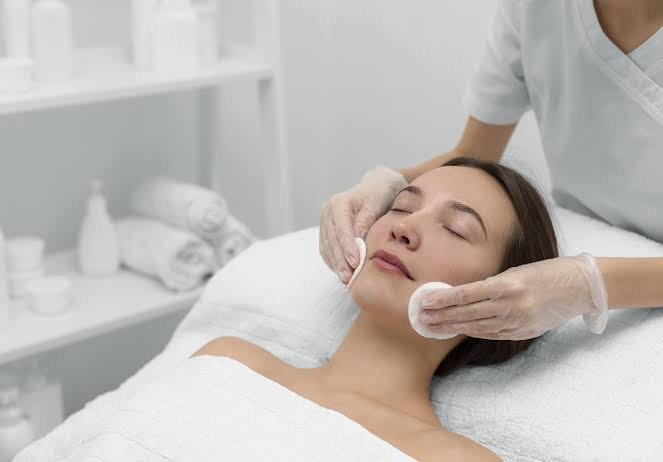
A wellness spa may offer aesthetic and wellness services based on individual treatment goals. Available options include microneedling, fillers, IV therapy, PDO threads, Botox, and other nonsurgical treatments. A consultation allows patients to discuss their concerns and receive information about services that align with their preferences. Here is more information on how to choose the right wellness spa treatments: 

Contents
  • Identifying Your Skin Goals
  • Matching Your Treatment Timeline
  • Understanding Nonsurgical Options
  • Prioritizing Hydration And Wellness
  • Asking Consultation Questions
  • Schedule Your Wellness Spa Consultation

Identifying Your Skin Goals

Start by identifying the skin concerns you want to discuss during your wellness spa consultation. Common concerns include facial lines, changes in skin texture, hydration, and volume loss. A provider evaluates these areas and reviews treatment goals before discussing available options.

Different aesthetic treatments address different types of concerns. Botox targets muscle activity associated with expression lines, while dermal fillers address selected areas of facial volume. Other injectable options include Radiesse and Sculptra, depending on individual treatment goals. A consultation helps organize these concerns into an individualized treatment plan.

Matching Your Treatment Timeline

Treatment timelines vary depending on the aesthetic or wellness service selected. Some treatments produce changes gradually, while others follow a shorter treatment schedule. A provider can explain expected timelines based on the procedure and individual treatment plan.

Botox and injectable treatments follow different timelines because they address different concerns. Sculptra works by supporting collagen production over time, while Botox targets selected muscle activity. Individual responses vary based on the treatment area and other personal factors. A consultation provides information about what to expect after each treatment.

Microneedling may involve a series of treatment sessions scheduled according to individual skin goals. Providers review treatment timing, recovery expectations, and planned events before developing a schedule. Different services may also require different follow-up appointments. Discussing timing beforehand helps patients select treatments that align with their schedules and aesthetic goals.

Understanding Nonsurgical Options

Nonsurgical aesthetic treatments address different concerns without traditional surgical procedures. PDO threads address selected areas of skin laxity, while liquid rhinoplasty uses injectable fillers to alter specific nasal contours. Microneedling creates controlled microchannels in the skin as part of an individualized skin treatment plan.

Each nonsurgical option involves different treatment methods, recovery expectations, and maintenance needs. A provider evaluates facial anatomy, skin concerns, and aesthetic goals before discussing available services. During a consultation, patients can compare procedures and learn how each option fits within their treatment plan.

Prioritizing Hydration And Wellness

Wellness services may complement an individualized aesthetic treatment plan based on personal goals and health needs. IV therapy, vitamin IV therapy, and intramuscular injections provide different methods of delivering selected fluids or nutrients. Hair restoration services address separate concerns related to hair and scalp health. A provider can discuss available wellness services and explain how they fit within a broader treatment plan.

Asking Consultation Questions

A consultation provides an opportunity to discuss aesthetic goals, treatment options, medical history, and individual concerns with a provider. Patients can prepare questions beforehand and bring relevant information about medications, supplements, or previous treatments. Questions may include:

  • Discussing expected results: What changes align with my anatomy, skin type, and treatment goals?
  • Reviewing treatment sessions: How many appointments does the recommended treatment involve?
  • Understanding recovery needs: What should I expect after treatment, and how should I prepare?
  • Identifying health factors: Does my medical history affect the treatments available to me?
  • Coordinating multiple treatments: How does this service fit with treatments I currently receive?

A provider can address these questions and explain recommendations based on individual needs. This discussion gives patients information about the treatment process, preparation, recovery, and follow-up care.

Schedule Your Wellness Spa Consultation

Choosing wellness spa treatments begins with identifying your aesthetic and wellness goals. A qualified provider evaluates individual concerns and discusses services that align with those goals. Treatment plans vary based on personal needs, preferences, and the services selected. Schedule a consultation today to discuss available wellness spa treatments and develop an individualized plan.


  • Understanding How Microneedling Works and Why It’s Effective
  • Preparation Tips Before Your Dental Exam
  • Why Consulting a Podiatrist is Beneficial for Foot Issues
  • The Benefits of Finding a Trusted Gynecologist
  • Leveraging Telehealth for Sustainable Weight Loss
Share This Article
Facebook Copy Link Print

Let's Connect

304.9kLike
3.04MFollow
304.9kPin
844.87MFollow
40.49MSubscribe
39.5kFollow

Popular Posts

Understanding How Microneedling Works and Why It’s Effective

Understanding How Microneedling Works and Why It’s Effective

Richard
4 Min Read
Preparation Tips Before Your Dental Exam

Preparation Tips Before Your Dental Exam

Richard
4 Min Read
Why Consulting a Podiatrist is Beneficial for Foot Issues

Why Consulting a Podiatrist is Beneficial for Foot Issues

Richard
4 Min Read
The Benefits of Finding a Trusted Gynecologist

The Benefits of Finding a Trusted Gynecologist

Richard
4 Min Read

You Might Also Like

Understanding the Impact of Low Energy on Mental Health
Blog

Understanding the Impact of Low Energy on Mental Health

5 Min Read
Internal medicine focuses on adult health, and physicians in this field are called internists. These doctors diagnose and treat conditions that affect adults, from common infections to complex disorders. When you visit an internal medicine clinic, you meet a physician trained to manage your health across many body systems. Here are some of the benefits of visiting these clinics: Specialized Care Internists complete years of training focused on adult medicine. They study how different organ systems interact, and they learn to spot patterns that point to specific diagnoses. When symptoms overlap across systems, the internal medicine clinic staff works through the details methodically. This depth matters when your health picture grows complicated. An internist reviews your full history, orders targeted tests, and connects findings that might otherwise seem unrelated. You get a physician who examines the whole person rather than a single symptom. Chronic Disease Management Many adults live with long-term conditions, and internists spend much of their time managing these cases. They track how a condition changes over months or years. Since ongoing conditions shift over time, regular visits keep your treatment aligned with your current needs. Internists commonly manage conditions such as: Diabetes Blood pressure issues Heart disease Thyroid disorders Your internist adjusts medications, and they monitor how your body responds to each change. When new symptoms appear, your doctor investigates whether they relate to an existing condition. This steady oversight helps you understand your own health. Preventive Measures Prevention forms a large part of internal medicine practice. Internists recommend screenings based on your age, history, and risk factors. Since early detection shapes treatment options, routine visits give your doctor a chance to catch problems sooner. Screenings and preventive services often include: Blood pressure checks Cholesterol testing Cancer screenings Vaccinations Diabetes screening Your internist reviews these results, and they explain what each number means for you. When a result falls outside a normal range, your doctor discusses next steps. You can leave with a clearer sense of your current health status. Regular preventive care also builds a record over time. Your internist compares past results with new ones, and this history reveals trends. Since trends often signal change before symptoms do, this record supports earlier decisions. Coordinated Care When your care involves several specialists, coordination becomes a practical challenge. Your internist acts as a central point who tracks the full picture. Since specialists focus on their own areas, someone needs to connect the separate pieces. Your internist reviews notes from other doctors, and they watch for conflicts between treatments. When two medications interact poorly, your internist flags the issue. This oversight reduces gaps and keeps your care consistent across providers. This collaboration ensures that your health needs are met comprehensively. Your internist communicates regularly with specialists to clarify treatment plans. While each specialist provides targeted expertise, your internist works to make sure that these efforts align seamlessly for your overall well-being. Visit an Internal Medicine Clinic An internal medicine clinic gives adults a single place for diagnosis, ongoing management, and prevention. Internists bring broad training, and they apply it across many conditions at once. If you want a physician who follows your health over time, schedule an appointment with an internal medicine clinic near you. Bring your medical history and prepare a list of current medications. 
Blog

The Benefits of Visiting an Internal Medicine Clinic

4 Min Read
Wound Care Techniques for Pressure Ulcers
Blog

Wound Care Techniques for Pressure Ulcers

4 Min Read
Blog

Tech Evolution Unveiling Insights in the Realm of Innovation

7 Min Read

Social Networks

Facebook-f Twitter Gitlab Youtube Medium Telegram Twitch Rss

Contact Us On Gmail

Ryantylerofficial91@gmail.com

© 2026 Onboardicafes.com | All Rights Reserved

Quick links

  • Home
  • Privacy Policy
  • About Us
  • Contact Us
Welcome Back!

Sign in to your account

Username or Email Address
Password

Lost your password?