
Hearing is one of the most important senses in human life. It helps us communicate, enjoy music, stay aware of danger, and connect with the world around us. When hearing starts to fade or becomes unclear, daily life can become frustrating and isolating. This is where a hearing loss diagnosis and ear treatment clinic plays an important role.
- What is Hearing Loss?
- Why Hearing Loss Happens
- What is a Hearing Loss Diagnosis and Ear Treatment Clinic?
- How Hearing Loss is Diagnosed
- 1. Physical Ear Examination
- 2. Hearing Tests (Audiometry Test)
- 3. Tympanometry Test
- 4. Speech Testing
- 5. Advanced Scans (if needed)
- Treatment Options in Ear Clinics
- 1. Ear Cleaning
- 2. Medicines
- 3. Hearing Aids
- 4. Ear Surgery
- 5. Cochlear Implants
- 6. Sound Therapy and Rehabilitation
- Why Early Diagnosis is Important
- Who Should Visit a Hearing Clinic?
- Benefits of Visiting a Hearing Clinic
- How to Protect Your Hearing
- Conclusion
- Frequently Asked Questions (FAQs)
These clinics specialize in identifying hearing problems and providing the right treatment to improve ear health. In this article, we will explain what hearing loss is, how it is diagnosed, what treatments are available, and why visiting a specialized clinic is important. Everything is written in simple and easy language so everyone can understand.
What is Hearing Loss?
Hearing loss means partial or complete inability to hear sounds in one or both ears. It can happen slowly over time or suddenly due to an injury or illness.
There are three main types of hearing loss:
- Conductive hearing loss – This happens when sound cannot pass through the outer or middle ear properly. It may be caused by earwax, infection, or fluid buildup.
- Sensorineural hearing loss – This occurs when the inner ear or hearing nerve is damaged. It is often permanent and related to aging or loud noise exposure.
- Mixed hearing loss – A combination of both conductive and sensorineural hearing loss.
Hearing loss can affect people of all ages, from children to elderly individuals.
Why Hearing Loss Happens
There are many reasons why a person may experience hearing loss. Some of the most common causes include:
- Aging (natural hearing decline over time)
- Long-term exposure to loud noise (music, machinery, traffic)
- Ear infections
- Earwax blockage
- Injury to the ear or head
- Genetic or hereditary conditions
- Certain medicines that affect hearing
Understanding the cause is very important because it helps doctors choose the right treatment.
What is a Hearing Loss Diagnosis and Ear Treatment Clinic?
A hearing loss diagnosis and ear treatment clinic is a medical center where ear specialists (ENT doctors and audiologists) examine, diagnose, and treat hearing problems.
These clinics are equipped with modern tools and technology to check how well a person can hear. They also provide treatment options such as medicines, hearing aids, therapy, or surgery depending on the condition.
The main goal of these clinics is to improve hearing ability and enhance the quality of life for patients.
How Hearing Loss is Diagnosed
When you visit a hearing clinic, the doctor will first ask about your symptoms and medical history. Then, different tests may be performed to understand your hearing condition.
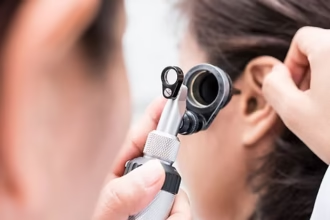
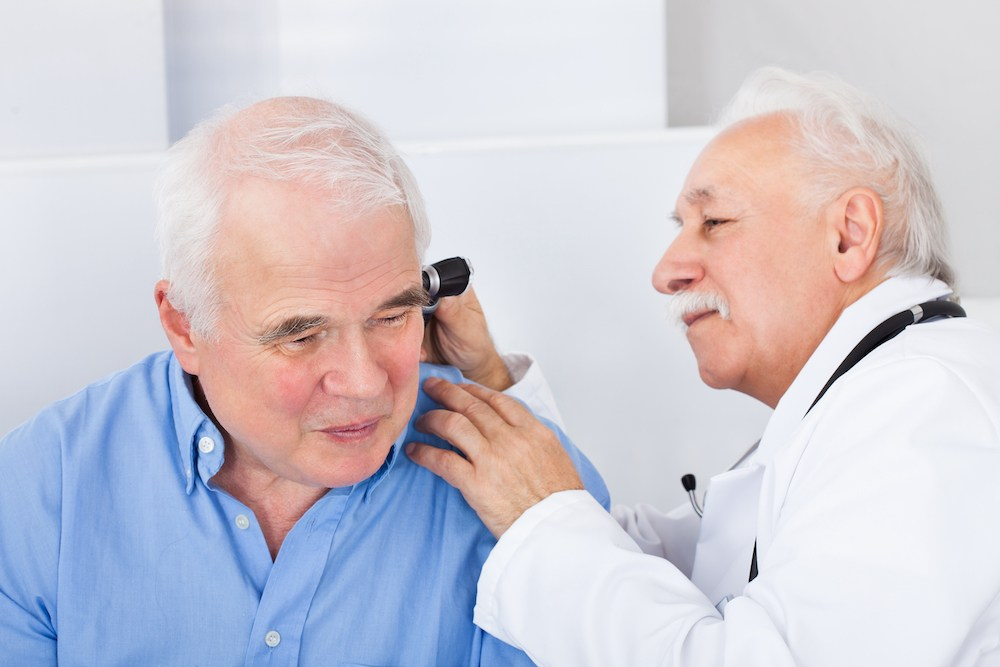
1. Physical Ear Examination
The doctor checks your ear using a special tool called an otoscope. This helps to see if there is wax, infection, or any visible problem.
2. Hearing Tests (Audiometry Test)
This is the most common test. You wear headphones and listen to different sounds at different volumes and pitches. The results show how well you can hear.
3. Tympanometry Test
This test checks how well your eardrum is working and whether there is fluid inside the middle ear.
4. Speech Testing
You are asked to listen and repeat words. This helps to understand how clearly you hear speech.
5. Advanced Scans (if needed)
In some cases, CT scans or MRI scans are used to check deeper problems in the ear or brain.
After all tests, the doctor prepares a hearing report and explains the level and type of hearing loss.
Treatment Options in Ear Clinics
Treatment depends on the cause and severity of hearing loss. Some common treatments include:
1. Ear Cleaning
If earwax blockage is the cause, doctors safely remove it using special tools.
2. Medicines
Ear infections and inflammation can be treated with antibiotics or ear drops.
3. Hearing Aids
For permanent hearing loss, hearing aids are commonly used. These small devices make sounds louder and clearer.
4. Ear Surgery
In serious cases, surgery may be needed to repair damaged parts of the ear or improve hearing ability.
5. Cochlear Implants
For severe hearing loss, especially when hearing aids are not enough, cochlear implants may be recommended. These devices are placed inside the ear through surgery.
6. Sound Therapy and Rehabilitation
Some patients need training to adapt to hearing devices and improve listening skills.
Why Early Diagnosis is Important
Early detection of hearing loss is very important because:
- It prevents further damage
- It improves treatment success
- It helps in better communication
- It reduces stress and isolation
- It supports better learning in children
If hearing loss is ignored, it can become worse over time and may lead to permanent damage.
Who Should Visit a Hearing Clinic?
You should consider visiting a hearing loss diagnosis and ear treatment clinic if you notice:
- Difficulty hearing conversations
- Frequently asking people to repeat themselves
- Ringing sound in ears (tinnitus)
- Turning volume of TV or phone very high
- Ear pain or pressure
- Trouble hearing in noisy places
Even mild symptoms should not be ignored.
Benefits of Visiting a Hearing Clinic
There are many advantages of going to a professional clinic:
- Accurate diagnosis using modern equipment
- Expert doctors and audiologists
- Personalized treatment plans
- Access to advanced hearing devices
- Long-term ear health care
- Improved communication and confidence
These clinics help people live a normal and comfortable life again.
How to Protect Your Hearing
Prevention is always better than cure. Here are some simple tips:
- Avoid loud noise for long periods
- Use ear protection in noisy environments
- Do not insert objects into your ears
- Keep ears clean but not overly cleaned
- Get regular hearing checkups
- Treat ear infections early
Taking care of your ears can prevent many hearing problems.
Conclusion
A hearing loss diagnosis and ear treatment clinic plays a very important role in identifying and treating hearing problems. Hearing loss can affect anyone, but with proper diagnosis and treatment, it can be managed effectively.
If you or someone you know is experiencing hearing difficulties, visiting a clinic early can make a big difference. Modern medical technology and expert care can help restore hearing ability or improve it significantly.
Good hearing means better communication, better relationships, and a better quality of life. Taking care of your ears today will protect your hearing for the future.
Frequently Asked Questions (FAQs)
1. What happens during a hearing test at a clinic?
During a hearing test, you wear headphones and listen to sounds at different volumes. The doctor checks how well you respond to these sounds.
2. Is hearing loss permanent?
Not always. Some types of hearing loss are temporary and can be treated, while others may be permanent and need hearing aids or implants.
3. Can children visit a hearing clinic?
Yes, children should visit if they show signs of hearing problems like delayed speech or not responding to sounds.
4. Are hearing aids comfortable to wear?
Yes, modern hearing aids are small, lightweight, and designed for comfort. They are easy to wear daily.
5. How often should I get my hearing checked?
It is recommended to have a hearing check every 1–2 years, especially for adults over 50 or people exposed to loud noise.