
Food is supposed to nourish the body and give energy, but for some people, certain foods can trigger harmful reactions. These reactions are called food allergies. In today’s world, more people are becoming aware of food allergy diagnosis and treatment services because food allergies can range from mild discomfort to life-threatening emergencies. Understanding how these services work can help people stay safe, eat better, and live more confidently.
- Importance of Food Allergy Diagnosis and Treatment Services
- How Food Allergy Diagnosis Works
- Treatment Options for Food Allergies
- 1. Avoidance of Trigger Foods
- 2. Emergency Medication
- 3. Antihistamines
- 4. Allergy Immunotherapy (In Some Cases)
- 5. Nutrition Counseling
- Living with Food Allergies
- Food Allergy in Children
- Advances in Food Allergy Diagnosis and Treatment Services
- Emotional Impact of Food Allergies
- Conclusion
- FAQs
What is a Food Allergy?
A food allergy happens when the immune system mistakenly identifies a harmless food as dangerous. When this happens, the body reacts by releasing chemicals like histamine. This causes allergy symptoms.
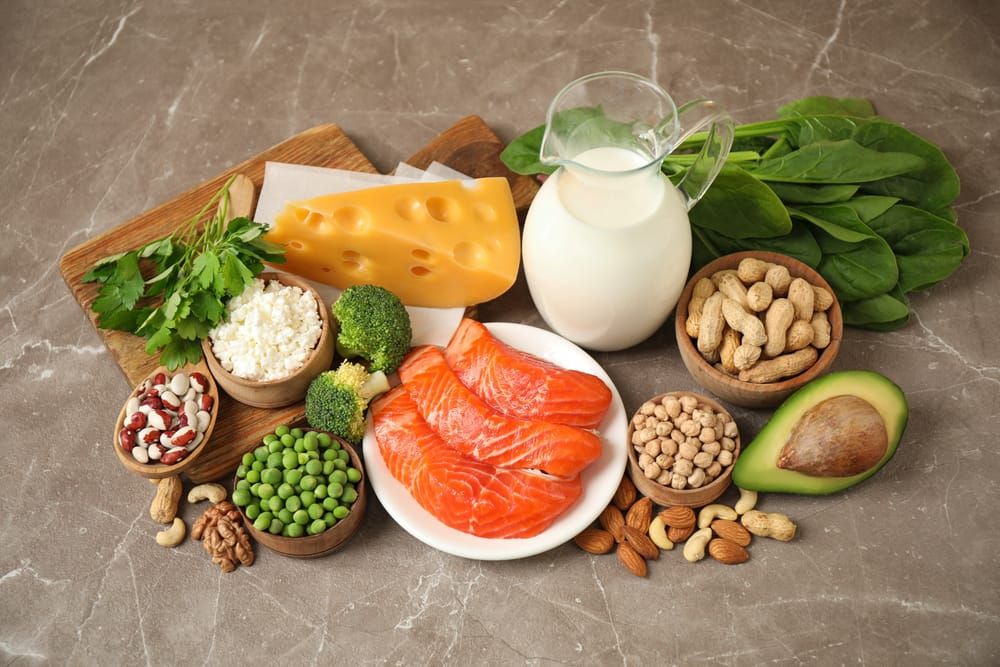
Common foods that cause allergies include milk, eggs, peanuts, tree nuts, wheat, soy, fish, and shellfish. However, almost any food can trigger an allergy in some individuals.
Symptoms of food allergies may include:
- Skin rashes or hives
- Swelling of lips, face, or eyes
- Stomach pain, vomiting, or diarrhea
- Sneezing, coughing, or breathing difficulty
- In severe cases, anaphylaxis (a life-threatening reaction)
Because symptoms can vary widely, many people do not immediately realize they have a food allergy. This is where food allergy diagnosis and treatment services become very important.
Importance of Food Allergy Diagnosis and Treatment Services
Food allergies can affect daily life, especially when eating outside or trying new foods. Without proper diagnosis, people may avoid too many foods unnecessarily or continue eating foods that are harmful.
Food allergy diagnosis and treatment services help in:
- Identifying the exact food causing the reaction
- Preventing dangerous allergic reactions
- Creating a safe and balanced diet plan
- Providing emergency treatment options
- Improving quality of life
These services are usually offered by allergists, hospitals, and specialized clinics.
How Food Allergy Diagnosis Works
Diagnosing a food allergy is not always simple. Doctors use different methods to understand what is causing the problem. Let’s look at the common steps involved in food allergy diagnosis and treatment services.
1. Medical History Check
The first step is a detailed conversation between the patient and the doctor. The doctor asks questions like:
- What foods were eaten before the reaction?
- What symptoms appeared?
- How long after eating did symptoms start?
- Does the family have a history of allergies?
This information helps the doctor narrow down possible triggers.
2. Skin Prick Test
This is one of the most common allergy tests. A small amount of suspected food allergen is placed on the skin, usually the arm or back. The skin is lightly pricked so the allergen enters the surface.
If a red bump or swelling appears, it may indicate an allergy.
3. Blood Test
A blood test measures how the immune system responds to certain foods. It checks the level of allergy-related antibodies called IgE.
Higher levels may suggest a food allergy, but this test alone is not always enough for a final diagnosis.
4. Elimination Diet
In this method, the patient avoids suspected foods for a few weeks. If symptoms improve, the food is slowly reintroduced under medical supervision.
This helps identify hidden food triggers.
5. Oral Food Challenge
This is the most accurate test but must be done in a controlled medical environment. The patient eats small amounts of the suspected food while doctors carefully monitor for reactions. Emergency care is available if needed.
Treatment Options for Food Allergies
Once a food allergy is confirmed, the next step in food allergy diagnosis and treatment services is managing the condition. There is currently no complete cure for food allergies, but treatments can help control symptoms and prevent serious reactions.
1. Avoidance of Trigger Foods
The most important treatment is avoiding foods that cause allergies. Patients are guided on how to read food labels, identify hidden ingredients, and avoid cross-contamination.
For example, someone allergic to peanuts must also avoid foods processed in peanut-containing factories.
2. Emergency Medication
People with severe allergies are often prescribed an epinephrine auto-injector (EpiPen). This is used during serious allergic reactions like anaphylaxis.
It works quickly to:
- Open airways
- Improve breathing
- Reduce swelling
- Stabilize blood pressure
Patients and family members are trained to use it properly.
3. Antihistamines
For mild reactions, doctors may recommend antihistamines. These medicines reduce itching, hives, and swelling.
4. Allergy Immunotherapy (In Some Cases)
Some patients may benefit from oral immunotherapy, where tiny amounts of the allergen are given gradually to build tolerance. This is done under strict medical supervision.
5. Nutrition Counseling
Avoiding certain foods can sometimes lead to nutritional deficiencies. Dietitians help patients create balanced meal plans so they get enough vitamins and minerals from safe foods.
Living with Food Allergies
Managing food allergies is a lifelong process, but with proper food allergy diagnosis and treatment services, life can become much easier and safer.
Here are some helpful lifestyle tips:
- Always check food labels before eating
- Inform restaurants about allergies
- Carry emergency medication if prescribed
- Teach children about safe and unsafe foods
- Wear a medical alert bracelet if needed
- Be careful with shared kitchen tools
Awareness is the key to prevention.
Food Allergy in Children
Food allergies are especially common in children. Parents often discover allergies when introducing new foods during early childhood.
Doctors recommend early diagnosis because:
- Children may not understand symptoms
- Reactions can happen quickly
- School environments may expose them to allergens
Schools are often informed so they can take extra precautions.
Advances in Food Allergy Diagnosis and Treatment Services
Medical science is continuously improving. New research is focused on:
- Better allergy testing methods
- Safer immunotherapy options
- Possible future vaccines for food allergies
- Personalized allergy management plans
These improvements give hope that treatment will become even more effective in the future.
Emotional Impact of Food Allergies
Food allergies are not just physical—they can also affect emotional well-being. Some people feel anxious when eating outside or attending social events.
Food allergy diagnosis and treatment services often include counseling and education to reduce fear and build confidence. Support from family and healthcare professionals plays a big role in managing stress.
Conclusion
Food allergies are a serious health condition, but they can be managed effectively with proper care. Food allergy diagnosis and treatment services play a vital role in identifying triggers, preventing reactions, and guiding patients toward a safe lifestyle.
Through accurate diagnosis, proper treatment, and daily awareness, people with food allergies can still enjoy a full and healthy life. The key is understanding the condition, following medical advice, and staying prepared for emergencies.
FAQs
1. What is the main cause of food allergies?
Food allergies are caused when the immune system mistakenly treats certain foods as harmful and triggers a defense response.
2. Can food allergies go away with age?
Some children may outgrow certain allergies like milk or eggs, but many food allergies, especially peanut and shellfish, often last a lifetime.
3. What is the most accurate test for food allergies?
The oral food challenge is considered the most accurate test, but it must be done under strict medical supervision.
4. How are severe allergic reactions treated?
Severe reactions are treated with an epinephrine injection, which works quickly to reduce symptoms and prevent complications.
5. Can food allergies be cured permanently?
Currently, there is no permanent cure, but food allergy diagnosis and treatment services help manage and control symptoms effectively.