
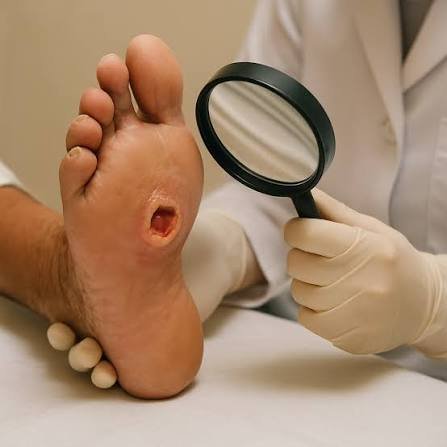

Diabetes influences many parts of the body, and the feet can show some of the earliest signs of trouble. When blood sugar stays high over time, it may affect circulation and the nerves that carry sensation to the lower limbs. This means small problems can go unnoticed and take longer to heal. Understanding how diabetes and foot health connect helps you know when to visit a podiatrist and seek diabetic wound care.
How Does Diabetes Affect Feet?
Diabetes can change the way your feet feel and function in several ways. Long-term high blood sugar may damage the nerves in the feet; this is a condition known as peripheral neuropathy. When this happens, you can feel tingling, numbness, or a loss of sensation. A reduced ability to feel pain means you may not notice a cut, blister, or pressure point until it becomes a larger issue.
Diabetes can also narrow the blood vessels that supply the legs and feet. Lower blood flow slows the delivery of oxygen, and this may make wounds heal more slowly. These factors are why routine foot checks matter for people living with diabetes. Common signs to watch for vary, including:
- Skin that is dry or cracks
- Numbness, tingling, or burning
- Changes in skin color
- Sores or blisters that do not heal
Noticing these changes early may give you a better chance to address them before they progress.
What Can a Provider Offer?
A podiatrist is a specialist focused on the health of the feet, ankles, and lower legs. For people with diabetes, this professional plays a steady role in monitoring foot health, and they can manage concerns as they arise. During a visit, a podiatrist typically examines the skin, nails, and structure of the foot. They may test sensation to check for nerve changes and review circulation to understand blood flow. This helps them understand your current foot health.
Treatment approaches vary based on individual needs. Routine foot examinations are a core part of care; they allow the podiatrist to track changes over time and catch problems before they progress. Nail and skin care is also addressed to reduce the risk of ingrown nails. Custom footwear or orthotics may be recommended to relieve pressure and support proper alignment. Your podiatrist will also provide guidance on daily foot care, helping you protect your feet between appointments.
What Is Diabetic Wound Care?
Wounds on the feet call for careful attention when a person has diabetes, because slower healing and reduced sensation can complicate recovery. A podiatrist follows a structured process to facilitate diabetic wound care. The first step is usually assessment. The provider examines the wound to understand its condition, and they check for signs of infection. Common elements of diabetic wound care include:
- Cleaning the wound to remove debris and lower the risk of infection.
- Removing dead or damaged tissue to promote healing.
- Dressing the wound to protect the area and support a healthy healing environment.
- Monitoring to track progress and adjust the plan as needed.
Managing blood sugar levels remains part of the wider picture, since stable levels support the body’s natural healing processes.
Choose the Right Provider
Caring for your feet is an integral part of managing diabetes, and the right provider can help you stay ahead of potential problems. Look for a podiatrist who takes time to examine your feet thoroughly, explains findings plainly, and offers a treatment plan that fits your daily life. By building a steady relationship with a foot health specialist and staying attentive to changes, you take an active role in protecting your mobility and long-term comfort.