
Platelet-rich plasma (PRP) therapy is a non-surgical treatment option for injuries, joint pain, and hair loss, and it uses the body’s own healing properties. Because it relies on the patient’s own biology, it is generally a lower-risk alternative to more invasive procedures. Here is more information on what PRP therapy is and how it works:
What Is PRP Therapy?
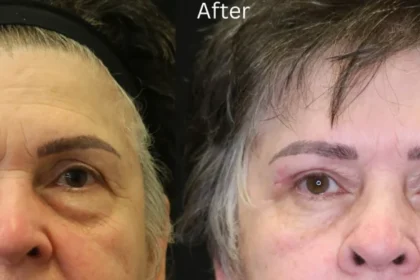
PRP therapy is a regenerative treatment that uses a concentrated form of a patient’s own blood platelets to promote healing. Platelets contain growth factors, which play an integral role in tissue repair. Concentrating them allows a more targeted healing response at the injury site. The therapy is commonly used for musculoskeletal issues such as tendon injuries and osteoarthritis, but it is also applied in cosmetic settings.
How Does It Work?
PRP therapy uses the body’s own healing mechanisms. Platelets are small blood cells that respond to injury, and they release proteins called growth factors when activated. These growth factors each play a specific role in cell growth, collagen production, and blood vessel formation, all of which contribute to tissue repair.
In a typical injury, platelets naturally travel to the affected area; PRP therapy enhances this process by delivering a concentrated dose of platelets directly to the damaged tissue. This concentration is higher than the normal level found in blood. Because the therapy relies on the body’s own biological material rather than external substances, the goal is to accelerate existing repair processes without introducing foreign agents.
Who Does It Help?
PRP therapy treats a range of conditions across multiple medical fields. Patients who may benefit from this therapy include:
- Those with chronic tendon injuries, such as tennis elbow or Achilles tendinopathy, where limited blood flow slows natural healing
- Those with osteoarthritis, particularly of the knee, where reducing inflammation may improve joint mobility and comfort
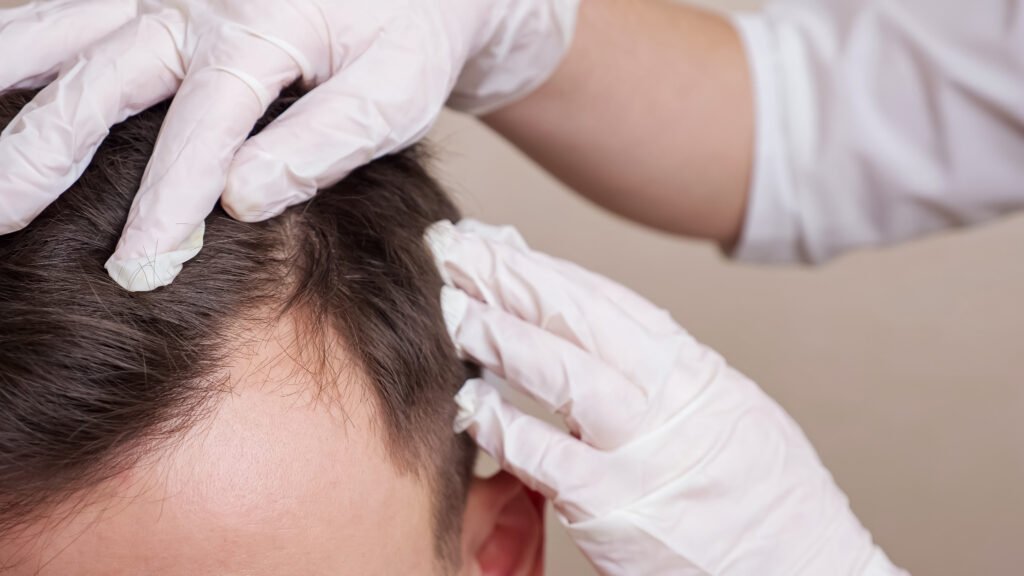
- Those experiencing thinning hair or early-stage hair loss, where scalp injections may support hair restoration
Results vary depending on the individual’s condition, age, and overall health.
What Does the Process Involve?
The process begins with a small blood draw, similar to a routine lab test, and the sample is then placed into a centrifuge. This machine spins at high speeds to separate blood components, which isolates the platelet-rich plasma from red and white blood cells. The result is a concentrated plasma solution that is ready for clinical use.
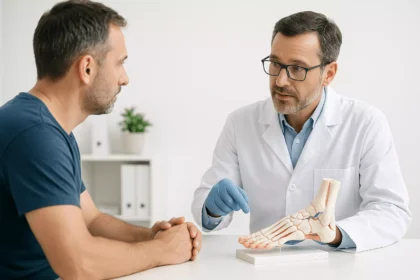
Once the clinician prepares the PRP, they inject it directly into the affected area. Since precision is key, providers use ultrasound guidance to confirm accurate placement; this approach helps reduce the risk of misalignment. The growth factors within the plasma then stimulate the body’s natural repair mechanisms over the following weeks.
A typical PRP session lasts about one hour, though the duration depends on the treatment area and the clinic’s specific protocol. The injection itself may take only a few minutes once the blood draw and centrifugation steps are complete. Some patients may experience mild soreness at the injection site afterward, but this generally resolves within a few days. A clinician will provide recovery instructions based on the treated area and the patient’s overall health.
Know What To Expect
PRP therapy offers a valuable option for patients looking to support their body’s natural healing process. If you’re evaluating PRP therapy, talk with a qualified provider about your specific condition and treatment goals. A personalized consultation will help you understand what results are reasonable to expect; knowing the steps involved can make the experience smoother.