
Wounds are a common part of life. Many minor injuries close on their own within a few days, but some wounds take longer to heal or show signs of trouble along the way. Knowing how to recognize these situations, as well as understanding what proper wound care involves, can support better recovery and reduce the risk of complications.
What Are the Signs?
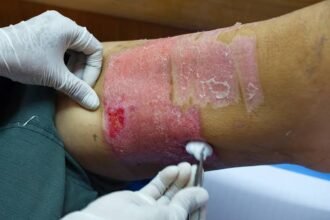
Not every wound that heals slowly is infected, but certain signs point toward a problem that may need professional attention. Recognizing these signs early can help you respond before the situation worsens. There are some common observable signs of a wound infection, including:
- Redness that spreads outward from the edges of the wound over time.
- Warmth in the skin surrounding the wound, which may feel noticeably hotter than nearby areas.
- Discharge, sometimes with an unpleasant odor.
- Healing that is delayed, where the wound remains open or fails to improve over an extended period.
A fever or a general feeling of being unwell can sometimes accompany these local signs. When several of these symptoms appear together, or when they intensify, it is reasonable to reach out to a healthcare provider for an evaluation.
Who Should Seek Care?
Some wounds respond well to basic first aid at home. Others involve added complexity, and they may benefit from specialized attention. Individuals with diabetes often experience slower healing, particularly in the feet and lower legs, and they can need closer monitoring. People with circulation concerns, such as reduced blood flow to the limbs, may face similar challenges because tissue needs a steady supply of blood to repair itself.
Wounds that have already shown signs of infection, along with long-standing wounds that have not healed after several weeks, generally warrant dedicated care as well. Older adults and people with weakened immune systems may find that even small wounds take longer to close. A professional care plan can help guide recovery, and it often lowers the chance of setbacks.
What Does Wound Care Involve?
Wound care follows a set of practical steps designed to support healing and limit the risk of infection. The exact plan varies from person to person, but many approaches share several core elements. The process can begin with a thorough assessment. A provider examines the wound, noting its size, depth, and any signs of infection. This evaluation shapes the treatment that follows.
Cleaning the wound comes next. A provider can perform debridement, which is the careful removal of damaged or dead tissue to give healthy tissue room to recover. Dressings play a role in ongoing care; the right dressing shields the wound from contamination and may need regular changing. Providers select dressings based on the wound type and how much fluid it produces.
Beyond direct treatment, a care plan may address underlying factors. Managing blood sugar, improving circulation, and maintaining good nutrition can all support the body’s natural repair process. Follow-up visits allow providers to track progress, and they may adjust the plan as the wound changes.
Seek Professional Wound Care
A wound that heals cleanly and quickly rarely needs more than basic attention. When healing stalls, or when signs of infection appear, professional guidance can make a difference in the outcome. Paying attention to how a wound changes over time gives you useful information. Steady improvement is a positive sign, but worsening redness, pain, or discharge suggests the need for further evaluation. Acting on these observations early supports a smoother path toward healing and helps protect your long-term health.