
Ingrown toenails are a common nail problem for adults of all ages. They can develop gradually or appear after a single incident, such as trimming a nail too short. They are often minor at first, but an ingrown toenail may progress if left unattended, leading to swelling, redness, and pain that interferes with walking.
What Are Ingrown Toenails?
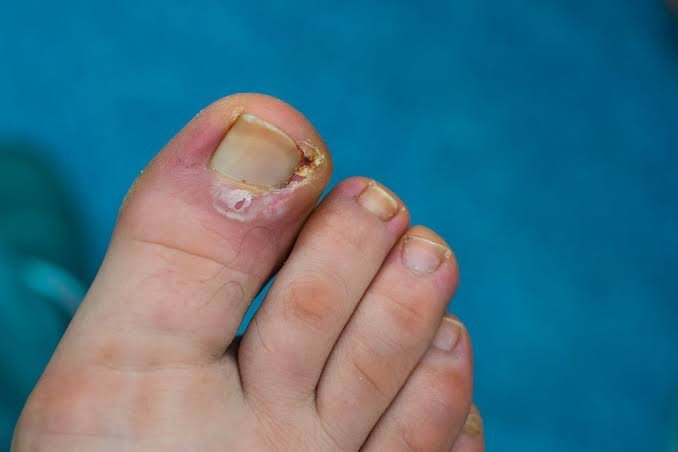
Ingrown toenails occur when the edge or corner of a nail grows into the surrounding skin rather than over it. The condition most commonly affects the big toe, but it can develop on any toe. As the nail presses into the soft tissue, the area may become tender, swollen, or inflamed. The skin around the nail becomes irritated in some cases, and fluid or discharge can appear if the area is disturbed.
Several factors contribute to the development of ingrown toenails. Improper nail trimming represents a leading cause, particularly when nails are cut too short or rounded at the edges. Footwear that crowds the toes places pressure on the nails and skin, which can push the nail into the surrounding tissue. Injury to the toe may also raise the chances of experiencing this problem. Recognizing the early signs helps individuals respond before the condition worsens.
How Do You Prevent Them?
Prevention centers on habits that protect the toes and nails from unnecessary pressure and irregular growth. An effective practice involves trimming nails correctly. Cutting straight across, rather than rounding the corners, encourages the nail to grow outward instead of into the skin. Very short nails may allow surrounding skin to fold over the edge, so nails should be kept at a moderate length.
Footwear selection also influences nail health, helping to prevent complications. Shoes that provide adequate room in the toe area reduce pressure on the nails; tight or narrow shoes can compress the toes and encourage ingrowth. Choosing properly fitted socks and shoes supports overall foot comfort.
Maintaining clean, dry feet contributes to healthy skin and nails, and routine inspection of the feet helps individuals notice changes early. Those who are at risk of suffering trauma to the toes can benefit from protective footwear designed for their specific needs. People with recurring nail concerns may find value in seeking guidance from a podiatrist, potentially allowing them to learn self-care techniques suited to their nail shape.
How Are They Treated?
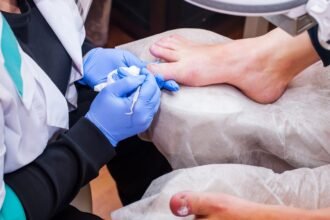
Treatment depends on the severity of the condition. Mild cases are sometimes managed at home through gentle care, such as soaking the foot in warm water. Wearing open or roomy footwear during this period reduces pressure on the affected toe. These measures may bring relief when the problem is caught early. When an ingrown toenail doesn’t improve or shows signs of infection, professional evaluation is the appropriate next step. A foot specialist will examine the toe, and they can recommend a course of action based on its condition.
A specialist may place a splint to guide healthy nail growth in some situations. For more advanced or recurring cases, a minor in-office procedure can be performed to remove a portion of the nail. Individuals with diabetes, circulation concerns, or other health conditions affecting the feet should seek professional care promptly rather than attempting to manage the condition alone; personalized treatment supports safe and effective outcomes.
Meet With a Foot Specialist
Ingrown toenails are a manageable condition when addressed with informed care. Small adjustments can make a meaningful difference in daily comfort. For persistent or painful cases, a foot specialist offers professional evaluation and tailored guidance. These professionals bring specialized knowledge of nail and skin conditions, and they can identify approaches suited to each person’s needs.