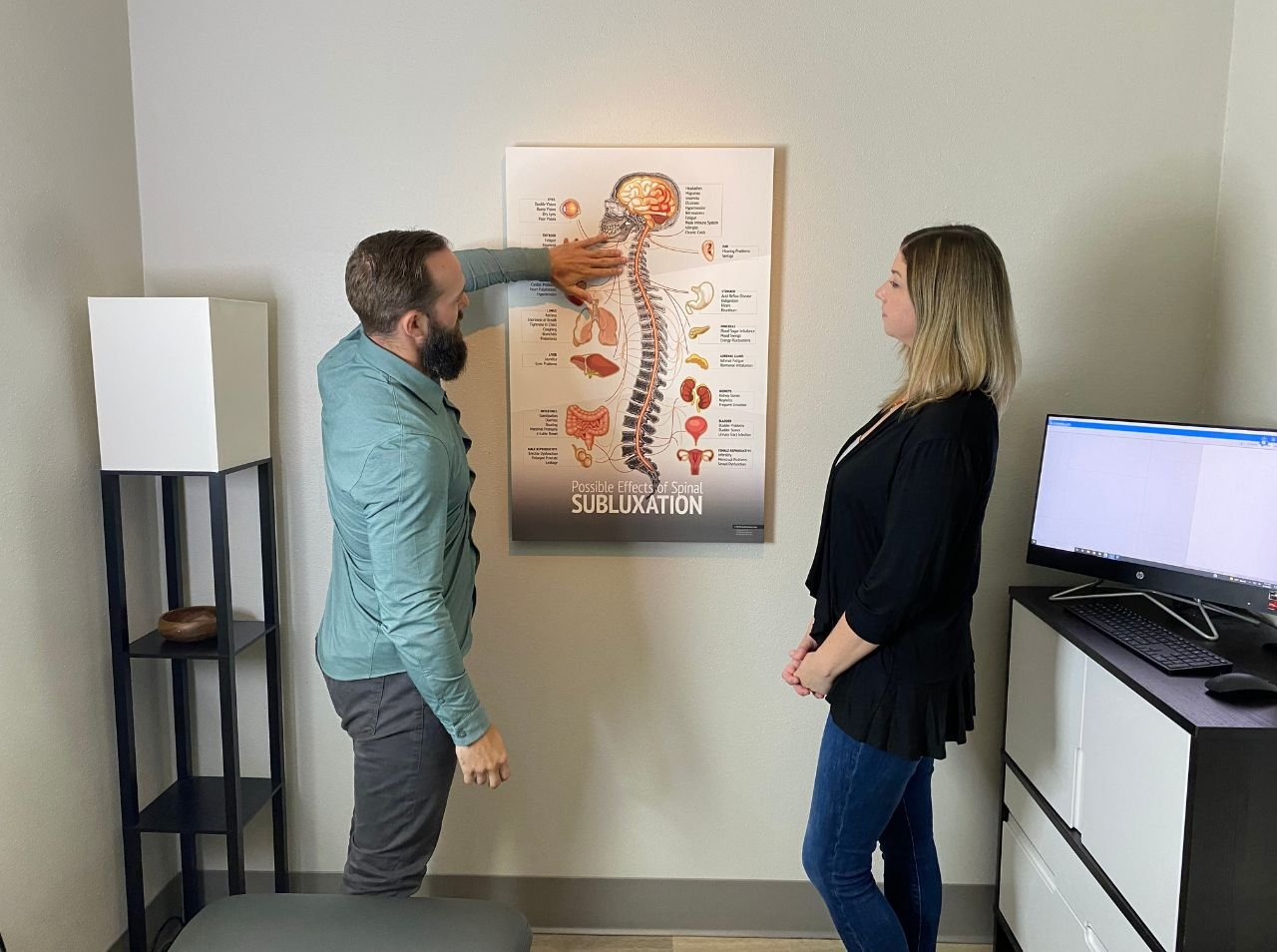

A herniated disc happens when soft material inside a spinal disc pushes outward, and many people notice changes in daily activities. This material presses on nearby nerves, and the pressure triggers pain. Since the spine supports so much movement, even small tasks may become harder. Here is more information about how this condition impacts daily life:
Increased Pain
Pain is typically the first sign of a herniated disc. The discomfort may stay in one spot, or it may travel down an arm or leg. When a nerve gets pinched, sharp or burning sensations can follow the affected path.
Sitting for long periods strains the spine, and standing too long adds pressure as well. Some activities make the pain worse than others. Since pain levels shift throughout the day, tracking your triggers helps you plan around them. Daily activities that may increase pain include:
- Lifting heavy objects
- Twisting suddenly
- Sitting at a desk for hours
- Coughing or sneezing
You might notice flares after simple movements. The pain typically eases with rest, but it returns during activity. Since everyone responds differently, your pattern may not match someone else’s.
Limited Mobility
Movement typically becomes restricted after a herniated disc. Your muscles may tighten to protect the injured area, and stiffness follows. When mobility drops, tasks like walking or climbing stairs feel slower.
Reaching overhead grows harder for some people. Turning your head or torso may spark discomfort, and the range of motion shrinks. Since your body limits certain motions, you may adjust how you move throughout the day.
Difficult Time Bending
Bending forward puts direct pressure on the lower spine. This motion aggravates a herniated disc, and the pain may spike quickly. When you bend to tie shoes or pick something up, you might feel a sudden pull.
Everyday chores involve more bending than you expect. Since bending strains the disc, many people modify these tasks to reduce discomfort. Loading a dishwasher requires it, and gardening does too.
You may find yourself squatting instead of bending. This approach shifts effort to your legs, and it takes pressure off the spine. When habits form slowly, retraining your movements takes patience and practice.
Disrupted Sleep
Sleep problems often accompany a herniated disc. When you shift in bed, the movement may wake you fully. Finding a comfortable position feels hard, and nighttime pain interrupts rest.
Certain positions ease pressure better than others, and sleeping on your side with a pillow between your knees helps some people. Since poor sleep affects your energy, restful nights matter for daily function. Small adjustments may improve your comfort at night:
- Use a supportive mattress
- Place a pillow under your knees
- Avoid stomach sleeping
- Keep your spine aligned
You might need to test different setups. Since rest supports recovery, tracking your sleep quality gives useful clues. What works one night may fail the next, and that variation is normal.
Address a Herniated Disc
A herniated disc affects pain, movement, bending, and sleep; these changes affect your routine and build on one another. When symptoms disrupt your daily life, professional guidance helps you understand your options. Schedule an appointment with a healthcare provider to discuss your condition. Early evaluation gives you clear information, and it helps you decide your next steps.