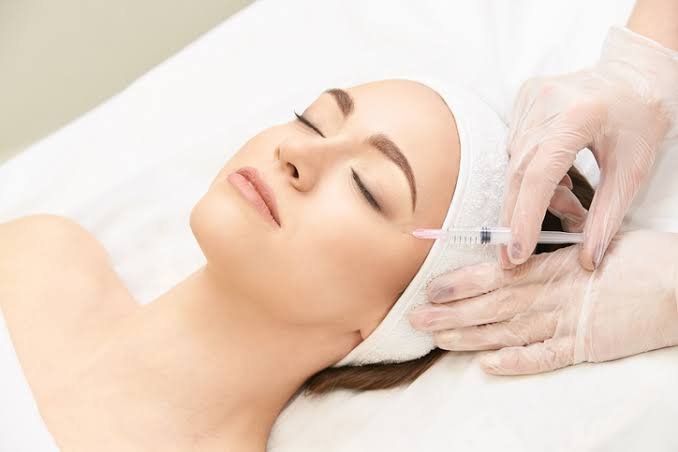

Botox injections are a nonsurgical treatment that uses a purified form of botulinum toxin to relax targeted muscles. People choose these injections to soften fine lines and wrinkles, particularly around the forehead, eyes, and between the brows. Others receive them to help manage specific medical conditions, including chronic migraines and certain movement disorders. This treatment is popular because it is quick, minimally invasive, and requires little downtime. Here’s more information on Botox and how these injections work:
How Neurotoxins Work
Botox is made from botulinum toxin type A, a substance produced by the bacterium Clostridium botulinum. In cosmetic and medical settings, this toxin is highly diluted and purified to allow precise, controlled use in small doses. When injected into a muscle, it interrupts the signals nerves send to that muscle, interrupting movement.
Under normal conditions, nerves release a chemical messenger called acetylcholine to tell muscles when to contract. Botox blocks the release of this messenger, so the treated muscle relaxes, and its movement is temporarily reduced. The neurotoxin effect stays limited to the injection site, so surrounding muscles continue to function as usual.
How Injections Benefit Health Conditions
Beyond cosmetic use, Botox has become part of the treatment approach for several health conditions. For chronic migraines, providers may inject the toxin into specific points around the head and neck to help reduce the frequency of headaches. Providers place injections according to a planned pattern and tailor the dosage to each patient. Botox is also used for certain movement disorders that involve involuntary muscle activity, including hemifacial spasms, which cause twitching on one side of the face.
Cervical dystonia involves the neck muscles contracting and pulling the head into uncomfortable positions, but Botox may help ease this abnormal tension. For spasticity concerns, which cause stiff or tight muscles after conditions like strokes, the treatment can help loosen the affected muscles so movement becomes more manageable. In each of these cases, the treatment goal is to reduce excessive muscle activity in a specific region. A qualified specialist evaluates the patient and determines where and how much neurotoxin to inject.
Botox injections are not permanent, and their effects fade gradually over time. Most people begin to notice changes within a few days, though the full effect often takes about one to two weeks to appear. Onset can vary depending on the condition being treated and the dose used.
How Long the Effects Last
The results generally last around three to four months. As the body slowly processes the toxin, nerve signals return to the muscle and normal activity resumes. Because of this, people who receive Botox for medical conditions need repeat sessions to maintain the benefits. Many patients with migraines or movement disorders return for treatment every few months, and a specialist helps set the timing based on how each person responds. The temporary nature of the treatment offers flexibility. Providers can adjust the frequency and dosage over time to match a patient’s needs and response.
Learn More About Botox Injections
Before trying a new treatment option, learn how it works so you can stay informed about your options. If you want Botox for any medical reason, schedule a consultation with a neurologist specializing in neurotoxin injections. A qualified provider can evaluate your situation, discuss your goals, and explain what the procedure involves in your specific case. They can also review potential risks and help you decide whether the treatment is appropriate. Speaking with a trained specialist is the most reliable way to get accurate, personalized information about your health needs.