
A wound needs consistent attention to heal properly. Proper home wound care reduces your risk of infection, and it supports faster recovery. When you follow the right steps each day, wounds stay clean, healing progresses, and complications become less likely.
Clean the Wound Properly
Clean hands are your first line of defense against infection. Before you touch the wound, follow these steps:
- Wash your hands thoroughly with soap and water.
- Rinse the wound gently with clean water only.
- Avoid harsh soaps or hydrogen peroxide on the wound surface.
- Pat the surrounding skin dry with a clean towel; never rub.
- Repeat this process at every dressing change to keep the area free of debris.
If the wound has visible debris, use a clean syringe or squeeze bottle to flush the area with saline or clean water. Gentle pressure removes particles without damaging healing tissue. Avoid cotton balls, which can stick to the wound and cause irritation. After cleaning, let the wound air briefly before applying a new dressing. Do not rush wound care and recovery. Keep a consistent cleaning schedule, and record any changes you notice each day.
Apply and Change Dressings
Choose a dressing that fits the wound, and change it whenever it becomes wet or dirty. Wash your hands before you begin, and always use clean supplies. Contaminated materials can introduce bacteria. Cover the wound fully with the dressing; this step shields new tissue and helps maintain the right moisture level for wound care. Ask your provider which type suits your wound, since there are differences. Follow their guidance on how often to change it.
When removing a dressing, peel it back slowly and gently. Pulling too quickly can disturb healing tissue and cause pain. If the dressing sticks, dampen it with saline first to loosen it before removal. Secure the new dressing with medical tape, and make sure the edges are sealed to keep out dirt. Store unused dressings in a clean, dry place. Keep enough supplies on hand so you never skip a dressing change; consistency is a factor in wound healing.
Monitor Your Wound Daily
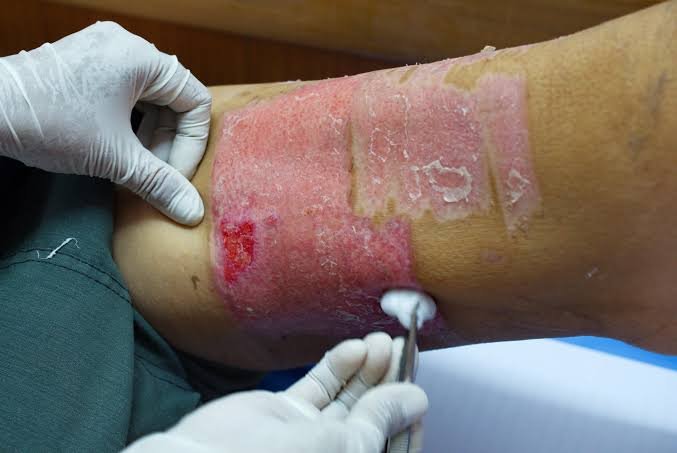
Regular checks help you catch problems early. Inspect the wound each day for changes in color, size, or drainage. Watch for redness, swelling, warmth, or odor. Note any increase in pain. Take note of the wound’s edges as healing progresses. If the edges appear to separate or the wound grows larger, contact your provider promptly. Measure the wound’s width and length every few days. A simple ruler works well. Photograph the wound under consistent lighting to create a visual record you can share with your provider during follow-up visits. Drainage color and amount also provide useful information. Questions or issues may arise. Do not wait; contact your provider the same day. Keep a simple log of what you observe; this record helps your provider make informed decisions and adjust your care plan when needed.
Discuss Wound Care Today
Some wounds require professional attention. Call your provider if the wound worsens or fails to improve. Seek care for spreading redness, fever, or drainage that increases, so you should act promptly. If you have diabetes or a slow-healing wound, schedule an evaluation early.