
Urgent care fills the gap between your regular doctor and the emergency room. When your primary care office is closed, an urgent care center offers walk-in visits with extended hours. You get medical attention for sudden, non-life-threatening problems, and most centers welcome you without an appointment. This is when you should visit these facilities:
Non-life-threatening Conditions
Urgent care addresses medical issues that need attention but pose no immediate danger to your life. A minor injury like a sprained ankle fits this category, and staff treat it the same day. When you feel too sick to wait for a scheduled appointment, this option makes sense.
Many everyday problems need immediate attention, and this brings people to urgent care. These centers provide on-site lab testing and X-rays for faster diagnosis, so you avoid separate trips. Typical reasons for a visit include:
- Cold and flu symptoms
- Cuts needing stitches
- Sprains and strains
- Ear infections
- Rashes and mild allergic reactions
Since these conditions rarely turn severe, urgent care remains a practical choice. You skip long emergency room waits, and you still receive prompt care. Anything involving chest pain or heavy bleeding calls for a 911 response instead.
Urinary Tract Infections
A urinary tract infection produces burning, frequent urges, and lower abdominal discomfort. These symptoms disrupt your day, and they tend to worsen without treatment. When you notice signs early, a clinic visit gets you a quick diagnosis. Staff test a urine sample on-site and may prescribe antibiotics during the same visit. Untreated infections may spread to your kidneys, which leads to more serious problems.
Moderate Abdominal Pain
Abdominal pain ranges from mild cramps to severe, sudden distress. Moderate pain that lingers but lets you move around suits an urgent care setting. When the discomfort stays steady without spiking, providers evaluate it and run basic tests. They check for causes like food-related issues, mild infections, or constipation.
Severe pain tells a different story. Sharp pain with vomiting, fever, or a rigid belly points toward an emergency, so head to the ER in those cases. Medical teams help you sort moderate problems from dangerous ones. If your symptoms grow worse during the visit, staff direct you to the right place.
Early Pregnancy Concerns
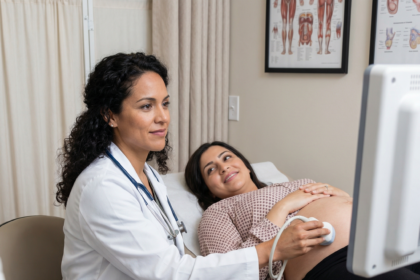
Early pregnancy brings questions and occasional worry about new symptoms. Light spotting, mild nausea, or general discomfort typically prompt a visit, and medical providers assess these signs. When you want reassurance without waiting days, this route offers timely answers. Staff perform basic exams and order tests to check your status.
Some symptoms need faster evaluation than others. Watch for warning signs that call for prompt attention:
- Heavy vaginal bleeding
- Severe cramping or pelvic pain
- Sudden dizziness or fainting
- High fever
If you notice these signs, get care right away because they may signal a complication. A provider examines you, explains the findings, and refers you to a specialist when needed. Clear guidance helps you understand your next steps.
Visit a Women’s Urgent Care
These facilities meet your needs when sudden symptoms appear and your regular doctor is unavailable. When something feels wrong, you deserve straightforward answers without a long wait. A women’s urgent care center focuses on health concerns that matter to you. Find your nearest location today and get care when you need it.