
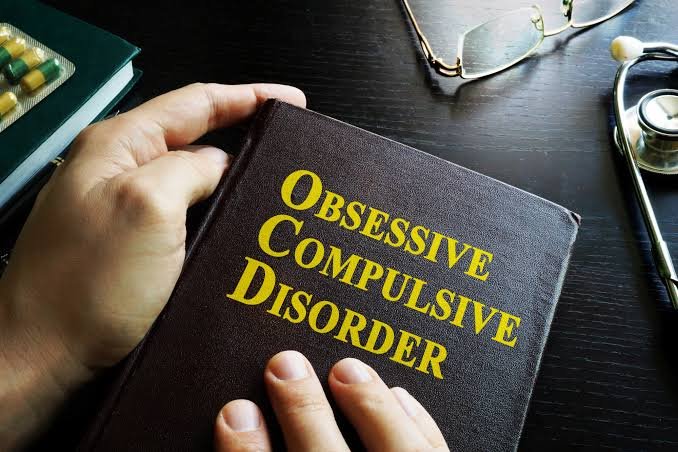

Obsessive-compulsive disorder, or OCD, is a mental health condition marked by unwanted thoughts and repeated actions. People with OCD often feel trapped in cycles they struggle to break. The condition affects daily routines, and it shows up in many different forms. Understanding how these patterns work is the first step toward getting help.
Obsessive Thoughts
Obsessions are intrusive thoughts, images, or urges that repeat. They arrive without warning and may be impossible to ignore. Since these thoughts clash with a person’s values, they trigger strong discomfort. Someone might spend hours stuck on a single fear, and the thought grows louder over time. OCD thoughts differ from ordinary worries, and typical obsessions include:
- Fear of germs or dirt
- Doubts about safety, like an unlocked door
- Need for symmetry or exactness
- Thoughts about harm
Compulsive Behaviors
Compulsions are the actions people take to reduce the anxiety obsessions cause. A person repeats a behavior, and the repetition follows strict internal rules. When the ritual feels incomplete, the urge to start over returns quickly. This loop is what makes compulsions so hard to stop.
Some compulsions are visible, while others happen entirely in the mind. typical examples include:
- Washing hands over and over
- Checking locks or appliances repeatedly
- Counting or arranging objects
- Silently repeating words or phrases
Since these actions bring short-lived calm, the brain learns to rely on them. The behavior becomes automatic, and it steals time from work, sleep, and relationships. People may recognize the ritual as excessive yet feel unable to resist it.
Persistent Distress
The distress in OCD does not fade after one ritual. Obsessions return, and the pressure to respond builds again. Since relief never lasts, the cycle repeats many times each day. This constant demand wears people down over weeks and months.
Distress in OCD tends to affect several areas of life at once. Sleep suffers when the mind refuses to quiet. For some people, work and school become harder as rituals eat into available time. Relationships strain when loved ones struggle to understand the behavior, and isolation often grows.
Many people hide their symptoms out of embarrassment. They mask rituals in public, and they avoid situations that trigger fear. Since avoidance narrows daily life, the world starts to feel smaller. Recognizing this pattern helps you see when support is needed.
Temporary Relief
The anxiety drops for a moment, and then the obsession creeps back stronger. Since the brain rewards the ritual, the habit deepens with each repetition. This is why willpower alone rarely breaks the cycle. Compulsions offer relief, but that relief fades fast.
Short-term coping methods may lower stress without treating the root cause. Some people try deep breathing, and others lean on distraction. These tools reduce tension temporarily, though the obsessions typically return. Lasting change often requires structured, professional treatment.
Try Ketamine Therapy for OCD
Ketamine therapy is one option some clinics offer for OCD symptoms. Treatment is supervised by trained providers, and each plan is tailored to the individual. If OCD symptoms disrupt your life, reach out to a licensed clinic today. Schedule a consultation, and ask whether ketamine therapy fits your situation.