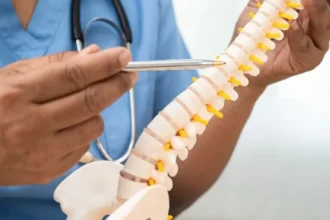
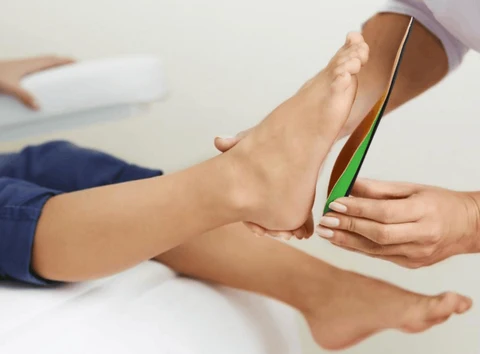

An orthopedic surgeon may specialize in treating conditions affecting specific areas of the musculoskeletal system. These include specialties such as the spine, hands, feet, or shoulders. Some also focus on sports injuries, trauma care, or pediatric orthopedics. Here are some key specialties of an orthopedic surgeon:
1. Sports Injuries
Sports injuries include mild strains and complex tears; an orthopedic surgeon helps patients return to activity through targeted treatment. Some cases respond to nonsurgical care, while others may call for repair, and the surgeon weighs your goals against the severity of the injury. Here are some common sports-related concerns an orthopedic specialist manages:
- ACL and ligament tears: These knee injuries often occur after sudden pivots or awkward landings, and they may require reconstruction.
- Rotator cuff damage: This shoulder injury limits overhead motion and often results from repeated strain over time.
- Sprains and strains: Twisted ankles or pulled muscles usually heal with rest, though persistent cases need closer evaluation.
- Stress fractures: These small cracks in bone develop from repetitive impact, and they demand rest to recover fully.
2. Joint Conditions
Joint conditions affect movement and comfort, and an orthopedic surgeon focuses on diagnosing and managing them. Arthritis, cartilage wear, and inflammation can stiffen the hips, knees, and shoulders, making routine activity difficult over time. The surgeon examines your symptoms, reviews imaging, and identifies the source of pain before suggesting treatment.
Nonsurgical options often come first, and they may include medication, injections, or guided exercise. When damage becomes advanced, a surgeon may recommend joint reconstruction or replacement to restore function. These procedures replace worn surfaces with durable components, and patients often regain mobility they had lost.
3. Spine Disorders
Spine disorders can cause pain that spreads into the arms, legs, or lower back, and an orthopedic surgeon evaluates these issues. Conditions like herniated discs, spinal stenosis, and scoliosis affect posture, strength, and comfort, and they often limit daily movement. The surgeon uses imaging and physical exams to identify the problem before mapping out treatment.
Most spine care begins with conservative methods, and it progresses only when needed. An orthopedic specialist may recommend physical therapy, targeted injections, or activity changes to reduce pressure on the spine. When these steps do not relieve symptoms, surgical options can stabilize the spine or ease nerve compression. The surgeon discusses the risks and benefits, so you understand the reasons behind each choice.
4. Hand and Foot Problems
Hands and feet contain several small bones and joints; an orthopedic surgeon addresses conditions that affect these intricate areas. Problems in the wrists, fingers, ankles, and toes can limit grip strength, balance, and mobility, which affects both work and daily routines. The surgeon examines the structure carefully and recommends treatment based on your specific condition. Here are some hand and foot concerns that bring patients to an orthopedic specialist:
- Carpal tunnel syndrome: This wrist condition causes numbness and weakness, and it may improve with bracing or surgery.
- Bunions and hammertoes: These foot deformities alter alignment, and severe cases sometimes need correction.
- Fractures: Broken bones in the hand or foot require proper setting to heal correctly.
- Tendon injuries: Damaged tendons limit motion, and repair often restores function.
Consult an Orthopedic Surgeon Today
An orthopedic specialist can specialize in sports injuries, joint conditions, spine disorders, and hand and foot problems. These specialists use nonsurgical and surgical approaches to restore function and alleviate pain, tailoring treatment plans to each patient’s needs. Contact a skilled orthopedic surgeon in your area to schedule your consultation today.