
Varicose veins affect millions of adults. They appear as twisted veins near the skin’s surface, and they often develop in the legs. These veins can compromise your confidence, but they sometimes also signal a health concern that deserves attention. Understanding what causes them helps you make informed decisions about your care, since you will know all of your choices.
Causes Behind Varicose Veins
Varicose veins form when valves inside your veins weaken. Blood then pools instead of flowing back to your heart, and this pressure stretches the vein walls over time. Several factors raise your risk, including age, pregnancy, and prolonged standing. Genetics also play a role; if your parents had varicose veins, your chances increase, and these inherited traits often combine with lifestyle habits.
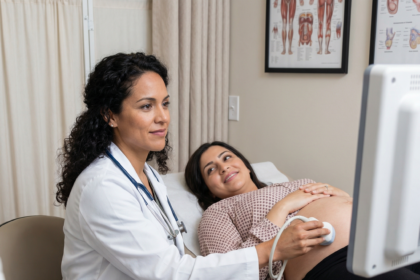
Weight gain adds pressure to leg veins, and even modest increases in body weight can strain vein function. Hormonal shifts during pregnancy or menopause may weaken vein walls further. During pregnancy, blood volume increases significantly. This places added demand on veins, and the growing uterus also restricts normal blood flow from the legs.
Symptoms of Varicose Veins
Varicose veins produce a range of symptoms, from visible changes on the skin to physical discomfort that affects your daily routine.
Physical Appearance
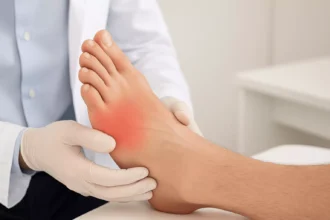
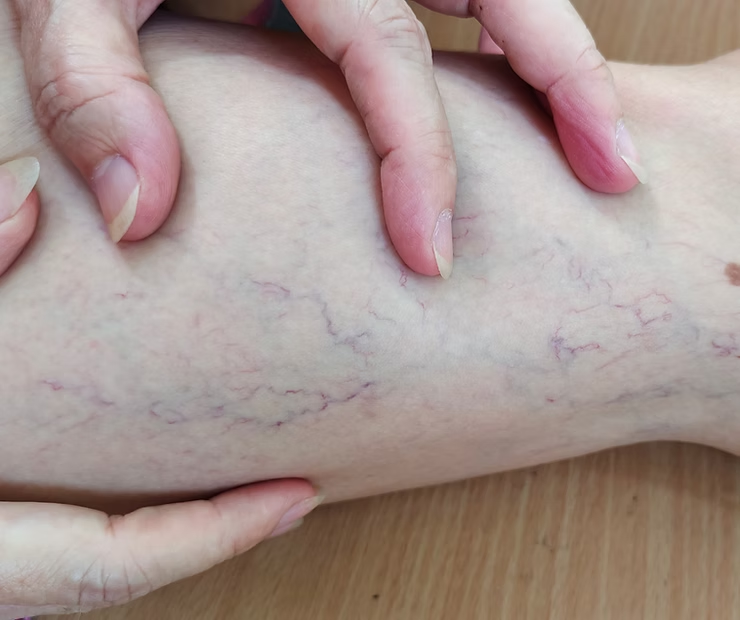
You might see bulging, rope-like veins beneath your skin. Skin near affected veins may become dry, discolored, or tender over time; these changes are worth noting, and you should mention them to your physician. In more advanced cases, the skin can harden or develop a brownish tone. Symptoms range from mild to noticeable. Some people have aching or heaviness in their legs, and these sensations often worsen after long periods of sitting or standing. Skin changes can appear when the condition progresses. Swelling around the ankles is common; itching may develop near affected veins.
Pain and Discomfort
Discomfort is not always tied to the size of the vein; a small varicose vein can cause significant aching, while a larger one will produce little sensation at all. Swelling around the ankles is common, and itching may develop near affected veins. Night cramps sometimes interrupt sleep. Fatigue in the legs after minimal activity is another sign that warrants attention. Early recognition matters, because untreated veins can lead to complications that affect your daily comfort and mobility. Tracking when and where you notice symptoms helps your physician build a clearer picture of your condition, and this information supports a more accurate diagnosis.
Diagnosis and Treatment Options
Diagnosis starts with a physical exam. Your physician reviews your symptoms and medical history, and a visual inspection of the affected area often reveals the location and extent of visible veins. Your physician may also ask about your daily habits, family history, and any medications you take. These details help build a complete picture of your condition. If you have noticed changes in your skin or recurring discomfort, share those observations during your visit. Even minor symptoms can point to underlying vein pressure that the ultrasound will then confirm.
Schedule Your Consultation Today
You do not have to manage varicose veins alone. Talk with a physician who explains your options clearly, and ask questions until you feel fully informed. A consultation gives you a personalized assessment; your physician reviews your ultrasound results, discusses treatment choices, and answers your concerns before any procedure begins. Since you can take the first step toward healthier legs, schedule your appointment today.