
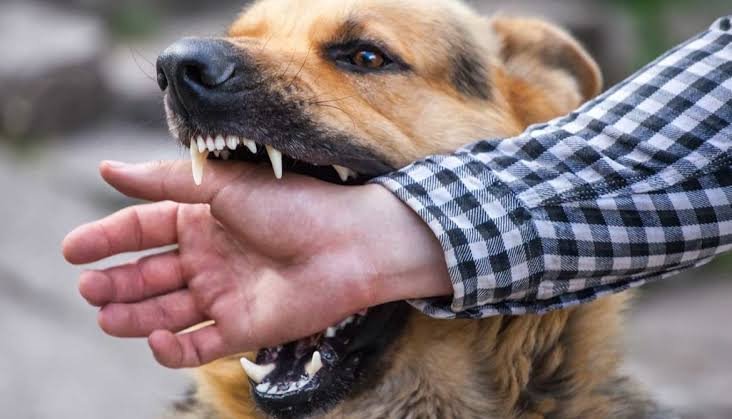

Animal bites carry serious health risks, including infection, nerve damage, and disease transmission. Seeking emergency care promptly after a bite may reduce the likelihood of complications, and it supports faster, more effective recovery. Since bacteria can enter the body quickly after a bite, early medical intervention is key. Here is more information on the risks associated with animal bites:
Why Do Animals Bite?
Animals bite for a range of behavioral reasons, and understanding these motivations can help reduce the risk of future incidents. Fear is a common trigger. When an animal feels cornered, startled, or threatened, it may bite as a defensive response. Territorial behavior, pain, maternal protection, and provocation also contribute to animal bites.
What Are the Potential Risks?
Animal bites carry risks that extend beyond the initial wound. Bacterial infections are a primary concern, as certain organisms can enter the bloodstream through broken skin, leading to localized or systemic infection. Puncture wounds are particularly susceptible to these complications because they are difficult to clean thoroughly, and the depth of such wounds creates an environment where bacteria can thrive.
Certain bites also carry the risk of disease transmission; rabies is a life-threatening viral disease transmitted through the saliva of infected animals. Tetanus is another concern because deep puncture wounds create conditions favorable to specific bacteria, and failure to address this risk promptly can result in serious complications. Visiting an emergency room helps address these wounds and any complications that arise.
What Signs Necessitate Professional Intervention?
Certain symptoms following an animal bite indicate the need for prompt medical evaluation. Signs that require professional attention include:
- Redness, warmth, swelling, increasing pain, or discharge from the wound
- Fever, chills, or red streaks extending from the bite site
- Deep wounds involving the face, hands, or genitals, or wounds that will not stop bleeding with direct pressure
- Bites from wild animals or domestic animals with unknown vaccination status
Individuals with diabetes, immunodeficiency conditions, or circulatory disorders may face an elevated risk of complications.
How Is Emergency Care Beneficial?
Emergency care provides a structured, comprehensive response to animal bite injuries that cannot be replicated at home. Medical staff thoroughly clean and irrigate the wound; this process reduces bacterial load while minimizing infection risk. Depending on the severity of the bite, a physician may close the wound, administer antibiotics, or provide a tetanus booster, all of which support proper healing.
When rabies exposure is suspected, emergency providers can initiate post-exposure treatment. This treatment must be administered promptly to allow proper healing outcomes. A physician also assesses the extent of tissue damage, including injuries to nerves, tendons, or blood vessels that may not be immediately visible, and early intervention potentially leads to better outcomes.
Learn More About Animal Bites
Animal bites require prompt, professional attention. From bacterial infections to the risk of rabies, the potential complications are serious, and some are preventable with timely care. If you or someone you know has experienced an animal bite, do not wait for symptoms to worsen. Visit your nearest emergency room for a thorough evaluation, wound treatment, and guidance on next steps.