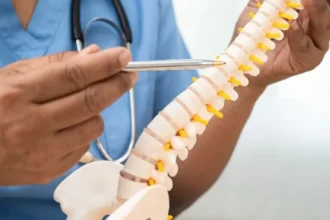


Recovery after disc surgery is a significant part of achieving the best possible outcome from treatment. Following your provider’s instructions for activity, pain management, incision care, and follow-up visits can support healing and reduce the risk of complications. Here is what you need to know about post-operative care following disc surgery:
Managing Early Recovery
The first days after disc surgery set the foundation for the weeks that follow. Your surgical team monitors your vital signs, manages discomfort with prescribed medication, and gives you instructions before you go home. Rest matters during this window; your body needs time to adjust. Gentle movement often begins early to support circulation. Here are several practices that can help you manage this initial period:
- Follow medication schedules precisely: Take pain relief and any other prescribed drugs at the times your surgeon lists, and note the time of each dose.
- Move in short intervals: Short, slow walks around the house keep blood flowing and may reduce stiffness, so aim for brief sessions rather than long ones.
- Prioritize sleep and hydration: Rest allows tissue to recover, and drinking water supports overall function during the early days.
Patients can support a smooth recovery and reduce the risk of complications during the healing process by adhering to these guidelines.
Protecting the Procedure Site
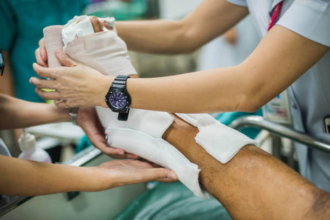
The area around your disc surgery incision requires consistent attention, and keeping it clean reduces the risk of complications. Your surgeon will explain how to care for the wound, when you can shower, and how to detect changes in the skin. You may receive a dressing that needs to be replaced regularly, or you are told to leave it undisturbed for a set period.
Movement restrictions also protect the healing area during this stage. Bending, lifting, and twisting place strain on the spine, so your care team often limits these actions for several weeks. Following these limits provides the surgical site with the stability it needs and reduces stress on the repaired disc.
Returning to Daily Activities
Returning to normal life after a disc surgery happens gradually, and the timeline depends on your procedure, your job, and your overall progress. Desk-based work may resume within a few weeks, while physically demanding roles often require a longer break. Your surgeon determines when each activity is safe, so follow their guidance.
Exercise reintroduction usually starts with light activity, and patients often begin with a physical therapy program. Walking is often the first recommended movement, and structured exercises follow as your strength improves. The following approaches may support a smooth transition:
- Start with simple tasks: Light chores and short outings help you gauge your comfort without overloading your body.
- Add activity in stages: Increase intensity only when previous levels become manageable, and stop if you notice new discomfort.
- Keep therapy appointments: Regular sessions track your progress, and they help you build movement safely over time.
A therapist guides you through motions that support your spine, and you can ease back into daily activities by pacing yourself.
Knowing When To Call
Certain signs call for direct communication with your surgeon. You should contact your care team if you experience increasing pain, unusual swelling, or fluid draining from the incision. A fever, numbness, or new weakness in your limbs also warrants a call, so make sure you report these changes promptly. Follow-up appointments are scheduled check-ins that allow your surgeon to assess your progress directly. Attend each visit, describe how you feel, and share any concerns you have noted.
Learn More About Disc Surgery
Recovering from disc surgery requires active participation, careful monitoring, and clear communication with your healthcare team. Tracking your symptoms, attending follow-up appointments, and engaging in open conversations with your surgeon play a fundamental role in supporting your recovery. Contact a qualified spine surgeon near you to book your appointment and learn more about disc surgery today.