
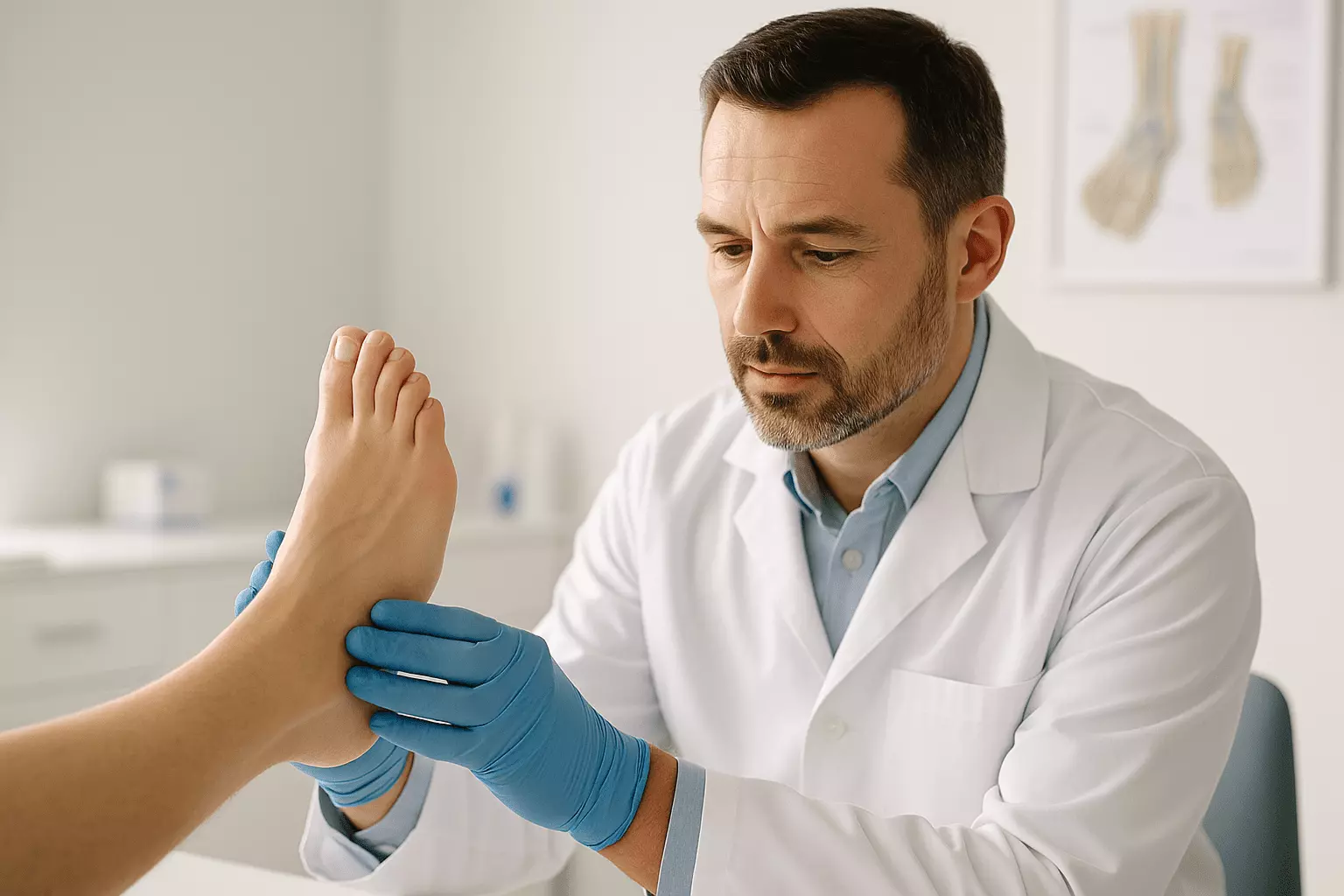

Your bones support every movement you make. A doctor can assess their condition, and the right care protects their mobility. Since professional guidance gives you a clear path forward, start by understanding your bone health needs.
Diagnosis of Bone Conditions
A doctor begins by examining your bones. Tests reveal hidden weakness, and imaging shows changes you cannot see. Bone health scans can detect osteoporosis early. If fractures appear, scans confirm the cause and location. Your doctor may ask about your history, medications, and any injuries that affect your bones. These details add context and help your doctor spot patterns tests alone might miss. Your doctor explains the results, and they build a plan that fits your situation. Clear answers reduce uncertainty, helping you understand the steps ahead.
If results suggest a concern, further testing follows. A doctor may order additional imaging, and these scans show whether the disease has reached the bone. Your doctor reviews each finding closely. They confirm the diagnosis before moving forward. Early detection shapes the treatment options available to you, and it gives your care team more time to act. When a doctor understands the full picture, the plan becomes more precise. Accurate diagnosis guides every decision that comes next, and it helps you weigh your choices with clarity.
Treatment for Bone Conditions
Treatment depends on your diagnosis. For osteoporosis, a doctor may recommend medication. These treatments slow bone loss, and they lower your risk of future fractures over time. Your doctor explains how each medication works, reviews possible side effects, and answers your questions before you begin. Some patients take pills, while others receive treatment through injections or infusions. Fractures require specific care, and the right approach depends on the type of break. Your doctor examines the injury, and they choose the method that protects your long-term mobility. Common options include:
- Rest and bracing allow simple fractures to heal without surgery.
- Setting procedures align the bone correctly when a break shifts out of place.
- Vertebral augmentation reinforces a weakened vertebra through an injected support material, easing movement after certain spinal fractures.
Recovery often involves follow-up visits, and your doctor checks the healing process at each stage. Your doctor explains each option clearly. Since they weigh the benefits with you, they will recommend the approach best suited to your needs.
Prevention of Bone Loss
Prevention protects your bones over the long term, and adequate calcium and vitamin D help maintain bone strength. Your doctor may suggest diet changes, recommend supplements, and explain how choices support bone health. Some foods provide more calcium; your doctor can point you toward practical options for your meals. Your doctor may explain how to balance safe exposure with other sources. The doctor can review how smoking and alcohol affect your risk. Your doctor sets realistic goals, tracks your progress, and adjusts your nutrition as your needs change. Movement strengthens bones too. A doctor can recommend safe exercises, since they understand your injury. Your doctor considers your current fitness, suggests activities you can manage, and adjusts the plan. Walking, climbing stairs, and light resistance training support bone health, and your doctor can show you how to start safely. Some exercises improve balance. Others build muscles that protect your joints.
Book Appointments for Bone Health
A doctor gives you the tools to protect yourself, and professional guidance makes each step clearer. Healthy bones support an active life. Whether you face osteoporosis, fractures, or a more complex condition, your care team can build a plan around your needs. That plan starts with a single appointment.